We’re Open from 8AM Monday - Saturday

Proactive Care for Lifelong Health
At TotalBond Veterinary Hospital at Paw Creek, we believe it is always easier to prevent a disease, illness, or injury than it is to treat for it – which is why preventive care is offered at the forefront of our practice. By bringing your pet in for their annual wellness exam, we can screen for diseases, administer vaccinations, and physically examine your pet to ensure that they are in good health.
Examinations
Routine wellness examinations are an essential part of keeping your pet healthy. Our veterinary team recommends that you bring your pet in once or twice per year, depending on their age. Having these regular check-ups allows our team to catch any signs of illness, disease, or infection. The earlier we catch something, the sooner your pet can get treatment. Even if everything seems just fine at home, and routine examination helps detect any hidden or underlying signs.
The typical wellness visit consists mainly of two parts. There is, of course, the physical examination where we inspect your pet from nose to tail and administer any tests that may be needed.
The physical examination will assess the condition of:
- Eyes, ears, and nose
- Teeth and gums
- Skin and coat
- Joints and muscles
- Abdominal region
- Weight and body composition
- Heartbeat and respiratory rate
- Temperature
The second part of the visit is the conversation we get to have with you about the behavior of your pet, sleeping patterns, eating habits, and overall lifestyle.
During the exam, you may be asked questions such as:
- How many hours per day would you say your pet sleeps?
- Is your pet friendly towards other pets and humans?
- Does your pet have any fear or phobias? Do they ever seem to get anxious?
- What kind of food does your pet eat?
- How consistent are they with eating?
- How much physical activity is your pet getting per day?
Routine fecal exams are a critical part of your pet's health and also general public health. Please bring a fresh stool sample to every check-up. We can dispose of it if it is not needed at that time.
Please feel free to give us a call for any questions, concerns, or clarifications. Thank you!
Vaccinations
Vaccines serve as the #1 line of defense to safeguard your pet from infectious diseases that can be detrimental to their health and even life threatening. But not to worry, vaccines are easy to administer and keep up with if you regularly bring your pet in for their annual wellness exam.
Vaccines for pets work similarly to how they work for humans. The vaccine exposes the body to harmless levels of a particular viral or bacterial antigen, and the immune system then builds the antibodies to safeguard your pets in case they come in contact with the real pathogen. Also, the more pets that are vaccinated, the fewer hosts the virus will be able to infect, and the safer the overall pet community will be. This is called "herd immunity".
There are also benefits for the human population. When pets are properly vaccinated, they can stay at overnight boarding facilities, use public dog parks, and their chances of passing infectious disease to a human decrease significantly. The most common infections that an unvaccinated pet can pass to their owners are leptospirosis and rabies.
There are two main types of vaccines that a pet can get, core vaccines and non-core vaccines. Core vaccines are recommended for all pets, and non-core vaccines are administered based on a pet’s lifestyle, medical conditions, exposure, and geographic location.
Core Canine Vaccines
- Rabies Vaccination - protects against rabies, a deadly and highly infectious disease that all animals can get. This vaccine is enforced by the law in most states and is required for your pet to be admitted into any animal hospital, boarding facility, or public place.
- DA2PP - also know as canine distemper, protects against four life-threatening conditions in dogs: distemper, parainfluenza, parvovirus, and hepatitis.
- Bordetella vaccine - prevents against kennel cough, a brutal and highly contagious hacking cough that can last up to 6 weeks.
Non-Core Canine Vaccines
- Lyme vaccines - prevents tick-related illnesses.
- Leptospirosis vaccine - protects pets and humans alike from zoonotic bacterial infections that can cause vomiting and diarrhea.
- Canine Influenza (CIV) vaccine - safeguards dog’s from the canine flu.
Core Feline Vaccines
- Rabies Vaccination - protects against rabies, a deadly and highly infectious disease that all animals can get. This vaccine is enforced by the law in most states and is required for your pet to be admitted into any animal hospital, boarding facility, or public place.
- FVRCP Vaccination - also known as feline distemper, prevents 3 big diseases in cats: panleukopenia virus, calicivirus, and rhinotracheitis.
Non-Core Feline Vaccines
- FeLV Vaccination - prevents the spread of Feline leukemia. This is recommended for cats who live with other cats.

Parasite Prevention
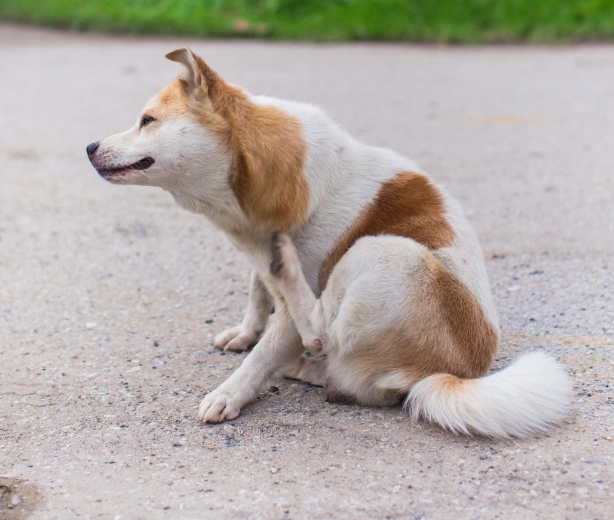
In North Carolina, fleas, ticks and heartworms are present year-round, and they can wreak havoc on your pet’s body if left untreated. The team at TotalBond Veterinary Hospital at Paw Creek addresses parasites in two ways:
- Continuous, year-round parasite prevention medications
- Annual parasite testing (usually done in a fecal test during your pet’s wellness exam).
Even though you can see external parasites (fleas, mosquitoes, and ticks), the internal parasites (heartworms, roundworms, hookworms and more) are harder to identify. That’s why annual parasite testing is so important.
If you have any questions on parasite prevention or testing, please reach out to us!

Microchipping
Microchipping is the #1 most effective method of reuniting lost or stolen pets with their owners. A small microchip is inserted just beneath the surface of your pet’s skin, typically between their shoulder blades. Whenever a pet hospital or shelter finds a lost pet, they will scan to see if the pet has a microchip. If the animal has one, they will be able to retrieve the owner’s contact information from the national database and reunite the pet with its owner.
The microchipping process is simple and can be completed in just a few minutes. We typically implant the microchip while your pet is under anesthesia during its spay/neuter procedure. Once the microchip has been inserted, you can register your contact information to the online database.
Nutrition and Weight Management
Obesity continues to be a major health concern for pet owners and veterinarians across the United States. In 2017, the Association for Pet Obesity Prevention found that an estimated 56% of dogs and 60% of cats are overweight or obese, and these numbers continue to rise. There are several steps you can take as a pet owner to ensure that your pet maintains a healthy body weight.
It can be hard for owners to notice weight gain in their pets as the process is gradual. There is minimal change from day-to-day, but a consistent daily calorie excess will result in weight gain over time. Obese pets are at an increased risk for heart disease, diabetes, high blood pressure, bladder stones, breathing problems, and some forms of cancer. Here at TotalBond Veterinary Hospital at Paw Creek, our team is committed to providing you the resources and tools that you need to prevent obesity in your pets.
What makes a pet obese? How can I prevent obesity or help them lose weight in a healthy way?
Obesity in pets is the same as it is for humans. If the total daily calorie intake regularly exceeds the calories they burn from physical activity, it will lead to weight gain over time.
The two most reliable ways to control your pet’s weight are:
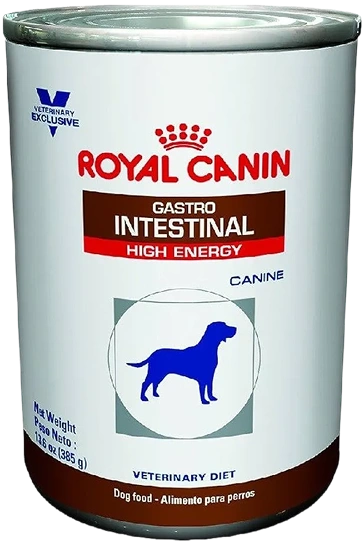
Monitoring food intake: For their eating habits, make sure your pet is eating the recommended portions for their body size and do not feed them “human food” from the dinner table. Also, keep treats to a minimum.
Ensuring regular exercise: Taking your pets on walks, to the dog park, or letting them go outside and play more frequently are good steps to incorporate daily activity into their lives.
And as always if you have any questions or concerns with your pet’s weight, or if you need advice on how to prevent obesity, please feel free to give us a call!
