Same-Day, Urgent Care, Walk-Ins and Drop-Off's Welcome!


Prevention for a Lifetime of Health
"An ounce of prevention is worth a pound of cure." Stop in, get a once over, establish a baseline, maybe catch something that’s just started brewing and nip it in the bud. A problem detected early is better able to be successfully treated and often at less expense.
Examinations
Routine wellness examinations are a key part of preventive veterinary care. Scheduling visits once or twice a year—based on your pet’s age and risk level—helps maintain overall health and supports timely medical decisions when concerns arise.
Animals often mask discomfort, which makes routine evaluations valuable even when behavior appears normal at home. Professional exams can reveal subtle clinical findings that are not easily noticed day to day.
A standard wellness appointment features a complete nose-to-tail assessment. The veterinarian reviews sensory organs, oral structures, cardiovascular and respiratory function, and gently evaluates internal anatomy through palpation. Mobility, tissue condition, and vital measurements are recorded as part of the visit.
The physical examination typically evaluates your pet’s:
- Eyes, ears, and nose
- Teeth and gums
- Skin and coat
- Joints and muscles
- Abdominal area
- Weight and body condition
- Heart rate and respiratory function
- Body temperature
Baseline laboratory screening is commonly recommended to create a medical reference profile. These diagnostics often include organ function markers and blood cell measurements, which assist with long-term health tracking. Testing intervals may vary for senior pets, certain breeds, or specific lifestyles.
Another important part of the visit is a guided discussion about daily routines and observable habits. This background information supports more accurate clinical recommendations.
You may be asked questions such as:
- How many hours per day does your pet sleep?
- Is your pet friendly with people and other animals?
- Does your pet have any fears, phobias, or anxiety?
- What type of food does your pet eat?
- How consistent is their appetite?
- How much daily exercise does your pet get?
Wellness appointments are also used to establish care plans for parasite control, nutrition strategy, and activity goals, while giving pet owners time to raise non-urgent concerns.
Fecal analysis is often advised to check for intestinal parasites. Bringing a fresh stool sample to the appointment is appreciated.
If you have any questions or need clarification, please contact our team—we’re glad to assist.
Vaccinations
Vaccinations create protective immune responses to help fight future infections. They trigger the production of antibodies that will be able to quickly attack and destroy all or most disease-causing entities that have entered the body.
This can provide complete immunity against certain diseases, or decrease the gravity of the infection. Properly administered vaccinations:
- Keep your pet safe against preventable, and potentially life-threatening, health conditions
- Avoid treatment costs for preventable diseases
- Protect your pet from diseases that can affect wildlife, such as Rabies
- Help prevent the spread of disease between animals and from animals to people
Because of their immature immune systems and therefore susceptibility to illnesses, young puppies and kittens require a series of carefully timed vaccinations. The initial dose helps build up their immune systems after the antibodies they received through their mother’s milk begins to wane. Subsequent doses continue to stimulate their systems. Therefore, it is important to complete the series to ensure full protection for your young pet.
Core Vaccines are recommended for all pets under our care, regardless of age or health status. They are effective in keeping pets safe from conditions they are bound to come in contact with at some point in their lives. Certain vaccinations, like Rabies vaccine, are required by law.
- Core Vaccines For Canines: Rabies vaccine, DA2PP vaccine, Bordetella vaccine, Leptospirosis vaccine
- Core Vaccines For Felines: Rabies vaccine, FVRCP vaccine
Non-Core Vaccines are recommended based on lifestyle factors. For instance, if your pet spends a lot of time with other pets, stays at boarding facilities and day cares, and spends a lot of time outdoors.
- Non-Core Vaccines for Canines: Lyme vaccine, Canine Influenza Virus (CIV) vaccine
- Non-Core Vaccines for Felines: FeLV vaccine, Calicivirus vaccine
When you visit TotalBond Veterinary Hospital at Davidson, our doctors make vaccine recommendations and create a vaccine series protocol that is right for your pet, as well as discuss the benefits and any potential risks which are associated with them.
In the state of North Carolina, rabies vaccines are required by state law for all dogs, cats and ferrets.

Parasite Prevention
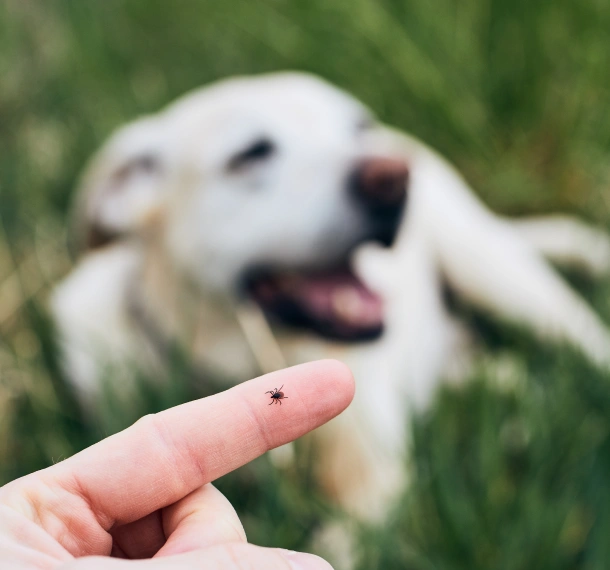
In North Carolina, fleas, ticks, and heartworms are active throughout the year and can seriously impact your pet’s health if not properly prevented. At TotalBond Veterinary Hospital at Davidson, we take a proactive approach to parasite control through two key steps:
- Year-round parasite prevention medications
- Annual parasite screening, typically performed with a fecal test during your pet’s wellness exam
While external parasites like fleas, ticks, and mosquitoes are often visible, internal parasites such as heartworms, roundworms, and hookworms can go unnoticed without testing. That’s why yearly parasite screening is essential for early detection and protection.
If you have questions about parasite prevention or testing, our team is always happy to help.

Microchipping
Collars and tags fall off, but microchips are forever. It’s a well-known fact that found microchipped animals, whose humans have kept their registration information up to date, have a much higher chance of being reunited with their families regardless of distance or time.
A rice-sized electronic chip is activated and transmits a unique identification number to a special scanner. The microchip can be implanted by a veterinarian or veterinary technician, using a specialized hypodermic needle, during a routine visit or while under anesthesia for a surgical procedure. Insertion can cause a bit of discomfort, but it is quick and relatively painless.
The microchip itself contains only an identification number. That number is stored in a microchip registry database along with your contact information. For this reason, it’s critical that you provide your contact information and keep it updated should you ever move or change phone numbers.
If your pet is found and taken to an animal rescue or animal hospital, their unique microchip will be scanned to find out who the owners are. At this time, either the rescue, hospital, or registry will attempt to get in contact with you.
Please note, your information is secure and the registry will not give out your information to the general public. Microchips are recommended for all pets!
Nutrition and Weight Management
“Let food be thy medicine and medicine be thy food” -Hippocrates
Good nutrition is a necessary foundation and is inextricably linked to your pet’s quality of life and can even improve life expectancy.
While some people may find a chubby cat or dog to be cuter or more cuddly, in actuality, excess weight can open the door to a number of painful, and life-shortening health issues and risks.
Underweight and overweight pets have a higher risk of developing a number of conditions, such as diabetes, high blood pressure, respiratory diseases, kidney diseases, and even some cancers. By helping to keep your pet at an ideal body weight, your pet’s joints, muscles, and bones will be healthier and under less stress. This is especially true for pets suffering from conditions such as arthritis.
When you visit us at TotalBond Veterinary Hospital at Davidson, our doctors can determine what your pet’s ideal weight and body condition are. Hopefully within the “ideal” range, but if not, they will help create a plan for diet and exercise that will help bring your beloved pet to optimal health and fitness.
Contributing factors to pet obesity:
Food: Overfeeding pets or giving an excess amount of treats can lead to an overall higher calorie intake, which causes obesity.
Lack of exercise: For some owners, we know that finding time to take your dog for a walk or play session is not always easy. Nonetheless, your pet must get enough playtime to keep them active.
Premature spay or neuter: This can cause hormonal changes which can slow metabolism and lead to weight gain.
Medications: Although beneficial, certain pet medications may cause an increase in appetite, leading to weight gain.
Endocrine Diseases: Certain endocrine disease such as hypothyroidism and cushings disease.
Sick Visits
If you notice changes in your pet’s usual behavior, sleeping patterns, appetite, or signs of pain, we encourage you to schedule a sick visit as soon as possible. Since pets can’t tell us what’s wrong, trusting your instincts as an owner is important — and we always believe it’s better to be safe than sorry.
Sick visits typically start with a thorough physical exam. We’ll listen carefully to your concerns and observations to better understand your pet’s condition. To identify the root cause, we may recommend additional testing through our comprehensive diagnostic services at TotalBond Veterinary Hospital at Davidson, including blood work, fecal exams, imaging, or other advanced diagnostics—ensuring your pet gets the precise care they need to feel better.
