

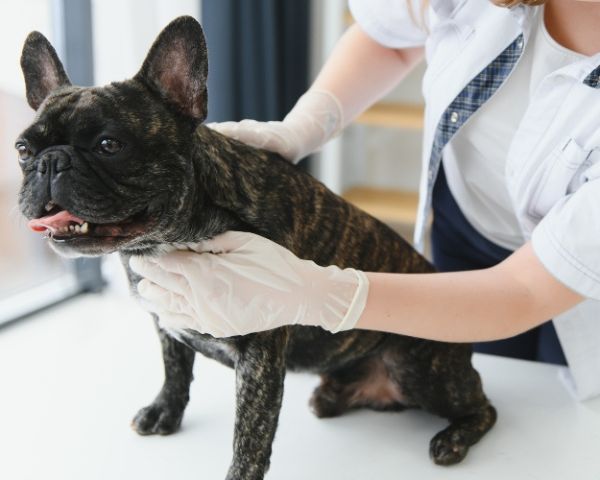
Every pet owner wants their companion to enjoy a long, happy, and active life. However, good health does not happen by chance. It requires consistent attention, routine veterinary visits, balanced nutrition, and early medical intervention when concerns arise. Preventative care helps identify health issues before they become serious and costly, allowing pets to stay healthier throughout every stage of life.
Many illnesses develop gradually and show few signs in the beginning. Because of this, routine wellness care plays a major role in protecting your pet’s long-term well-being. From vaccinations and parasite prevention to dental care and nutritional guidance, preventative services provide a strong foundation for lifelong health. For families in Mooresville, proactive veterinary care can make a meaningful difference in the quality of life their pets experience.
What Is Preventative Veterinary Care?
Preventative veterinary care focuses on maintaining your pet’s health before illness develops. Instead of treating problems only after symptoms appear, veterinarians monitor your pet regularly to reduce health risks and detect conditions early.
Routine wellness care often includes:
- Comprehensive physical exams
- Vaccinations
- Parasite prevention
- Dental evaluations
- Diagnostic screenings
- Weight management
- Nutritional counseling
- Behavioral assessments
- Senior pet monitoring
These services work together to support your pet’s overall wellness throughout every life stage.
Why Preventative Care Matters
Pets age faster than humans, which means health changes can occur quickly. A condition that seems minor today may become serious within months if left untreated. Preventative care allows veterinarians to establish a health baseline and notice subtle changes early.
Additionally, early detection often improves treatment outcomes. Diseases such as diabetes, arthritis, kidney disease, and heart conditions may respond better when diagnosed in their initial stages. Preventative care also helps reduce emergency visits and unexpected medical costs.
Most importantly, consistent wellness care strengthens the bond between pets and their families because healthy pets remain active, comfortable, and engaged in daily life.
Routine Wellness Exams Support Long-Term Health
Annual or semi-annual wellness exams are among the most important aspects of pet preventative care. During these appointments, veterinarians evaluate your pet from nose to tail while discussing lifestyle, behavior, diet, and medical history.
Physical exams can reveal issues that pet owners may not notice at home, including:
- Weight fluctuations
- Dental disease
- Skin conditions
- Ear infections
- Joint stiffness
- Heart abnormalities
- Lumps or growths
Regular checkups also create an opportunity to update vaccines and discuss preventive treatments tailored to your pet’s age and lifestyle.
Vaccinations Protect Against Serious Diseases
Vaccinations remain one of the safest and most effective ways to protect pets from dangerous illnesses. Core vaccines help prevent highly contagious and potentially life-threatening diseases.
For dogs, vaccinations may include:
- Rabies
- Distemper
- Parvovirus
- Adenovirus
Cats often require protection against:
- Rabies
- Feline herpesvirus
- Calicivirus
- Panleukopenia
Lifestyle factors may also influence additional vaccine recommendations. Pets that visit boarding facilities, grooming salons, parks, or daycare centers may need extra protection against certain infections.
Your veterinarian will create a vaccination schedule based on your pet’s specific needs and risk factors.
Parasite Prevention Is Essential
Parasites can affect pets year-round and may lead to serious health complications. Fleas, ticks, heartworms, and intestinal parasites not only harm pets but can also affect human family members.
Preventative parasite medications help reduce the risk of:
- Heartworm disease
- Lyme disease
- Flea infestations
- Tick-borne illnesses
- Intestinal worms
Many parasites remain difficult to detect without testing. Therefore, regular screenings combined with preventative medication provide the best protection.
Because environmental conditions influence parasite exposure, veterinarians often recommend year-round prevention for both dogs and cats.
Dental Health Plays a Major Role in Wellness
Dental disease affects many pets by the age of three. Unfortunately, oral health issues often progress silently. Without treatment, dental disease can cause pain, infection, tooth loss, and damage to internal organs.
Routine dental care supports overall wellness by helping prevent:
- Gum inflammation
- Tooth decay
- Bacterial infections
- Chronic pain
- Difficulty eating
Professional dental cleanings remove plaque and tartar buildup that brushing alone cannot eliminate. In addition, veterinarians can identify damaged teeth or oral abnormalities early.
At home, pet owners should maintain regular dental hygiene practices, including brushing and dental-friendly diets or treats.
Nutrition Directly Impacts Lifelong Health
Proper nutrition affects nearly every aspect of your pet’s well-being. A balanced diet supports healthy growth, immune function, weight control, and energy levels.
However, nutritional needs vary based on:
- Species
- Breed
- Age
- Activity level
- Medical conditions
Overfeeding can contribute to obesity, which increases the risk of arthritis, diabetes, heart disease, and mobility issues. On the other hand, nutritional deficiencies may weaken the immune system and affect organ function.
Veterinarians can recommend personalized dietary plans that support your pet’s health goals throughout every life stage.
Weight Management Improves Quality of Life
Obesity remains one of the most common preventable health concerns in pets. Excess weight places additional strain on joints, organs, and the cardiovascular system.
Maintaining a healthy weight helps reduce the likelihood of:
- Arthritis
- Diabetes
- Respiratory problems
- Heart disease
- Reduced mobility
Routine weigh-ins and body condition evaluations allow veterinarians to track changes over time. Small adjustments to nutrition and exercise can significantly improve long-term health outcomes.
Daily walks, active play, and portion control all contribute to maintaining a healthy lifestyle for pets.
Diagnostic Testing Helps Detect Hidden Conditions
Many diseases develop internally before visible symptoms appear. Diagnostic testing provides valuable insight into your pet’s health even when they seem healthy externally.
Preventive diagnostic screenings may include:
- Bloodwork
- Urinalysis
- Fecal testing
- Heartworm testing
- Imaging studies
These tests help identify underlying conditions such as kidney disease, liver dysfunction, diabetes, infections, and hormonal imbalances early.
Senior pets especially benefit from routine screenings because aging increases the risk of chronic illness. Early diagnosis often allows for more effective management and improved comfort.
Preventative Care Changes With Age
As pets grow older, their healthcare needs evolve. Puppies and kittens require vaccinations, parasite prevention, and developmental monitoring. Adult pets benefit from routine wellness care and lifestyle management. Senior pets often need more frequent evaluations and diagnostic testing.
Aging pets may experience:
- Arthritis
- Vision or hearing loss
- Cognitive decline
- Organ disease
- Reduced mobility
Veterinarians tailor preventive care plans to address these changing needs while helping pets remain comfortable and active for as long as possible.
Behavioral Health Should Not Be Overlooked
Behavior changes can sometimes indicate underlying medical concerns. Anxiety, aggression, excessive vocalization, or changes in bathroom habits may signal physical discomfort or emotional stress.
Preventative care visits provide an opportunity to discuss behavioral concerns early. Veterinarians can identify possible medical causes while offering recommendations for training, environmental enrichment, or behavioral support.
Healthy mental stimulation and positive routines also contribute to your pet’s overall quality of life.
The Financial Benefits of Preventative Care
Some pet owners delay wellness visits because their pets appear healthy. However, preventative care often saves money over time by reducing the risk of severe illness and emergency treatment.
Early treatment typically costs less than advanced medical intervention. For example, managing mild dental disease is often far less expensive than treating severe oral infections or tooth extractions later.
Additionally, preventive care helps reduce unexpected medical emergencies that may require hospitalization or surgery.
Building a Partnership With Your Veterinarian
Strong communication between pet owners and veterinarians supports better health outcomes. Routine visits allow veterinary teams to understand your pet’s medical history, personality, and lifestyle over time.
This relationship makes it easier to:
- Track long-term health changes
- Identify concerns early
- Personalize treatment plans
- Provide accurate guidance
- Support preventive wellness goals
When pet owners actively participate in preventive healthcare, pets often enjoy healthier and more comfortable lives.
Creating Healthy Habits at Home
Veterinary visits remain important, but daily care at home also contributes significantly to lifelong wellness. Small, consistent habits can positively impact your pet’s physical and emotional health.
Helpful wellness habits include:
- Providing fresh water daily
- Feeding a balanced diet
- Maintaining regular exercise
- Monitoring appetite and behavior
- Practicing dental hygiene
- Keeping vaccines current
- Using parasite prevention consistently
Observing changes in your pet’s energy level, appetite, or behavior can also help identify concerns early.
Preventative Care Strengthens the Human-Animal Bond
Healthy pets can enjoy more meaningful moments with their families. Whether playing outside, going for walks, or relaxing at home, pets thrive when they feel their best physically and emotionally.
Preventative care supports comfort, mobility, and long-term wellness, allowing pets to remain active companions throughout their lives. Consistent healthcare also provides peace of mind for pet owners who want to give their animals the best possible quality of life.
Why Local Veterinary Care Matters
Choosing a trusted local veterinary provider offers convenience and continuity of care. Veterinary teams familiar with regional environmental risks can recommend appropriate vaccines, parasite prevention, and wellness strategies tailored to the area.
For pet owners seeking pet preventative care, working with a dedicated veterinary team helps ensure pets receive personalized attention and ongoing support throughout every stage of life.
Preventative care remains one of the most effective ways to protect your pet’s lifelong health. Through routine exams, vaccinations, parasite prevention, dental care, nutritional guidance, and early diagnostic testing, veterinarians can help pets live healthier and more comfortable lives.
If you’re in Mooresville and looking for pet preventative care, schedule an appointment with TotalBond Veterinary Hospital at Davidson. Our veterinary team is committed to helping pets stay healthy through every stage of life with compassionate, personalized veterinary care.
FAQs
1. How often should my pet have a wellness exam?
Most adult pets should visit the veterinarian at least once a year. Senior pets or pets with medical conditions may benefit from exams every six months to monitor their health more closely.
2. Why are vaccinations important for pets?
Vaccinations help protect pets from serious and potentially life-threatening diseases. They also reduce the spread of contagious illnesses among animals in the community.
3. What does preventative veterinary care include?
Preventative care may include wellness exams, vaccinations, parasite prevention, dental care, nutritional counseling, diagnostic testing, and weight management services.
4. Can preventative care help reduce veterinary costs?
Yes. Early detection and routine care often help prevent severe illnesses that may require expensive treatments, emergency visits, or surgery later.
5. Why is dental care important for pets?
Dental care helps prevent gum disease, tooth loss, infections, and chronic pain. Good oral health also supports your pet’s overall wellness and comfort.
6. At what age should preventative care begin?
Preventative care should begin during puppyhood or kittenhood. Early wellness visits help establish healthy habits, provide vaccinations, and monitor your pet’s development from the start.