

Your pet is more than a companion. They are a loved family member who brings comfort, joy, and countless memories into your life. Keeping them healthy requires more than treating problems when they appear. Preventive steps help protect their well-being throughout every stage of life.
Regular veterinary visits, healthy habits, and early health monitoring can help your pet enjoy a longer and happier life. At TotalBond Veterinary Hospital at Davidson, our team focuses on comprehensive care that supports pets from puppy and kitten stages through their senior years.
A consistent pet preventative care routine allows veterinarians to identify concerns early and create a health plan based on your pet’s needs. From vaccinations to dental care, every step plays an important role in maintaining your pet’s overall wellness.
Want to learn more about maintaining your pet’s optimal health for life? Read the blog till the end to find out the steps our professionals suggest.
Why Is Preventative Care Important for Pets?
Pets often hide signs of discomfort or illness. Many health concerns may develop quietly before visible symptoms appear. Routine veterinary care helps detect changes before they become serious.
Preventive care focuses on maintaining your pet’s health instead of waiting for problems to develop. It includes wellness exams, vaccinations, parasite prevention, dental care, nutrition guidance, and recommended health screenings.
Early detection can make treatment easier and may improve your pet’s quality of life. Regular checkups also help your veterinary team understand your pet’s normal health patterns.
Pet Preventative Care Checklist Every Owner Should Follow
Schedule Routine Wellness Exams
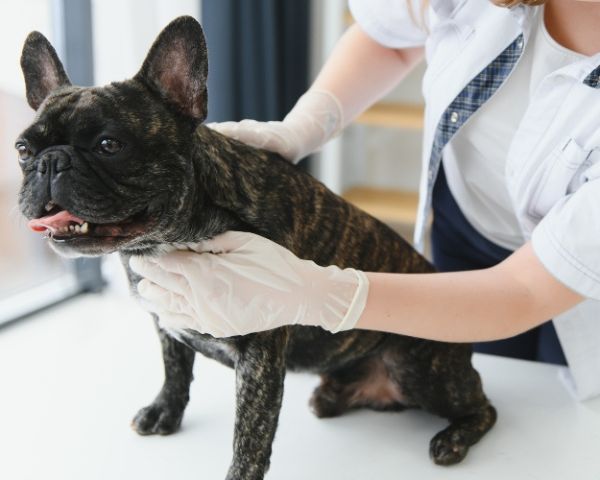
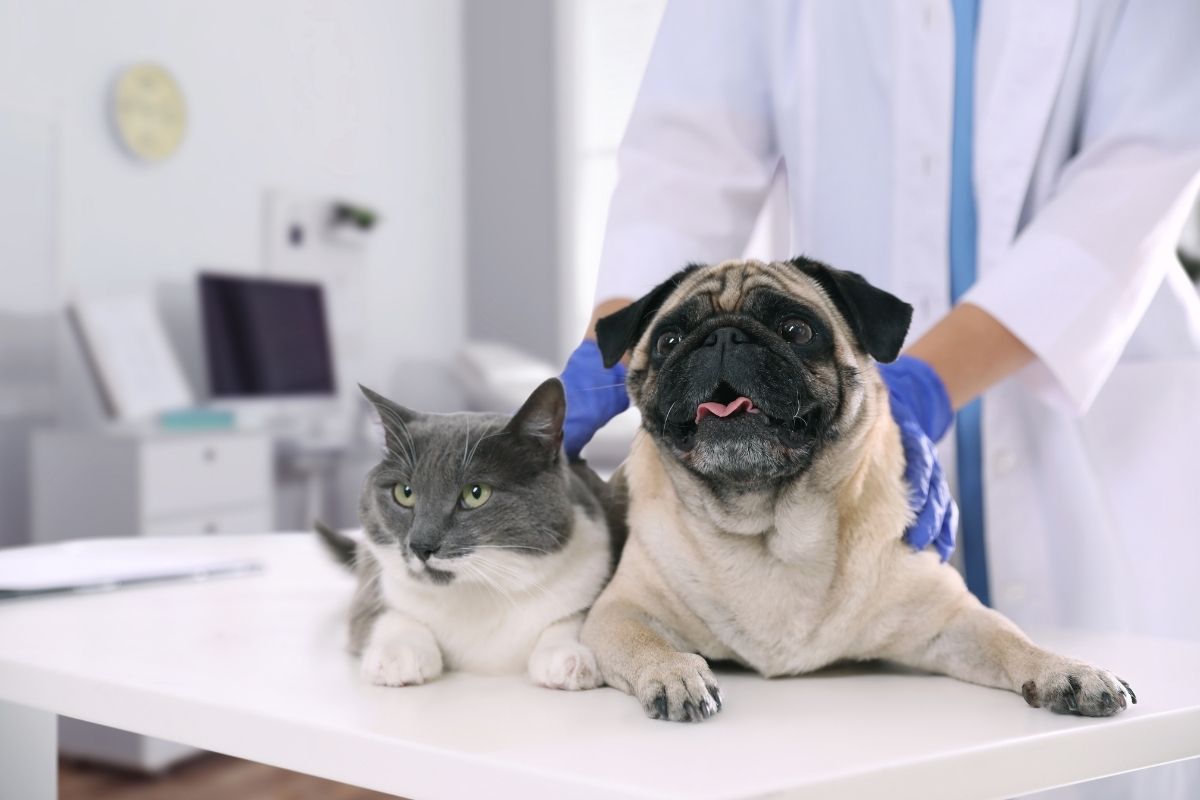
Annual wellness exams are one of the most important parts of your pet’s health routine. These visits allow veterinarians to check your pet’s overall condition.
During an exam, your veterinary team evaluates your pet’s weight, skin, coat, teeth, joints, and vital signs. They also discuss lifestyle factors, nutrition, and any changes you have noticed.
Routine exams create a baseline for your pet’s health. This makes it easier to identify unusual changes over time.
Keep Vaccinations Up to Date
Vaccinations protect pets from several preventable diseases. Your veterinarian will recommend vaccines based on your pet’s age, lifestyle, and health needs.
Puppies and kittens usually require a series of initial vaccines. Adult pets may need booster vaccinations to maintain protection.
A proper vaccination schedule helps your pet stay protected while supporting community health. Your veterinarian can guide you on the right timing for each vaccine.
Maintain Parasite Prevention
Parasites can affect your pet’s comfort and overall health. Fleas, ticks, intestinal parasites, and heartworms can cause serious health concerns if left unmanaged.
Preventive medications help reduce the risk of parasite-related problems. Your veterinarian can recommend options based on your pet’s species, age, weight, and lifestyle.
Consistent parasite prevention is important throughout the year. Many parasites remain active even when temperatures change.
Prioritize Dental Health
Dental problems are common in pets and can impact more than their mouth. Plaque and tartar buildup may lead to gum disease, discomfort, and other health concerns.
Professional dental cleanings help maintain oral health and remove harmful buildup. Our veterinary team provides pet dental services designed to support comfort and long-term wellness.
Pet owners should also monitor signs of dental issues. Bad breath, difficulty eating, and excessive drooling may indicate a concern.
Monitor Nutrition and Weight
A balanced diet supports your pet’s energy, growth, and immune function. However, nutritional needs change throughout different life stages.
Your veterinarian can provide guidance about portion sizes, food choices, and healthy weight goals. Maintaining a proper weight may reduce stress on joints and organs.
Regular weight checks during wellness visits help track changes. Small adjustments can make a major difference in your pet’s health.
Support Exercise and Mental Stimulation
Physical activity keeps pets active and supports healthy body function. Exercise needs vary depending on breed, age, size, and health condition.
Daily walks, play sessions, and enrichment activities provide important physical and mental benefits. They can also strengthen the bond between you and your pet.
Senior pets may require modified activities. Your veterinarian can suggest safe ways to keep aging pets comfortable and engaged.
Consider Recommended Diagnostic Testing
Health screenings can reveal concerns that may not be visible during a physical exam. Bloodwork, urinalysis, fecal testing, digital X-rays, and ultrasound may provide valuable health information.
Diagnostic testing is especially important for senior pets. Older animals may experience changes related to kidney function, hormones, mobility, or other conditions.
We recommend monitoring senior pets closely with appropriate exams and screenings.
Protect Your Pet With Microchipping
Even careful pet owners can experience unexpected situations. A lost pet may travel far from home or become separated during emergencies.
Microchipping provides permanent identification that cannot be removed like a collar. It increases the chance of reuniting with your pet if they are found. Your veterinary team can help you understand when microchipping is appropriate and how the process works.
How Often Should Pets Receive Preventive Veterinary Care?
The frequency of veterinary visits depends on your pet’s age, breed, lifestyle, and health history. Young pets often require more frequent visits because they need vaccinations, growth monitoring, and early-life guidance. Adult pets typically benefit from routine annual exams.
Senior pets may need visits more often because age-related conditions can develop faster. Our team recommends closer monitoring for older pets to support comfort and early detection.
How TotalBond Veterinary Hospital at Davidson Supports Your Pet’s Health
Choosing the right veterinary team helps you provide consistent care throughout your pet’s life. At our veterinary hospital at Davidson, we offer wellness exams, vaccinations, parasite prevention, diagnostics, dental services, and age-specific care.
The team understands that every pet has unique needs. Their approach focuses on keeping pets comfortable while helping owners make informed healthcare decisions.
Whether you have a new puppy, a senior cat, or a lifelong companion, regular veterinary support can help protect their future.
Give Your Pet a Healthier Future With Preventive Care
Your pet depends on you for their health, comfort, and happiness. Small steps taken today can help prevent health concerns and support a longer, healthier life for your beloved companion. A consistent wellness routine, regular checkups, proper nutrition, and early health monitoring can make a meaningful difference in your pet’s future. With the right veterinary support, you can feel confident knowing your pet’s needs are being carefully monitored.
At TotalBond Veterinary Hospital at Davidson, our veterinarians, Dr. Dick Hay, Dr. Aine Schanche, and Dr. Doehrmann and team, provide compassionate veterinary care in Davidson focused on protecting your pet’s health through every life stage. From young puppies and kittens to senior companions, our approach helps families make informed decisions about your pets’ well-being.
Schedule an appointment today and take the next step toward a healthier future for your pet.
Frequently Asked Questions
1. What is included in preventative care for pets?
Preventative care includes wellness exams, vaccinations, parasite prevention, dental care, nutrition guidance, weight monitoring, and recommended health screenings. These services help maintain your pet’s health and detect concerns early.
2. How often should my pet visit the veterinarian?
Most pets should receive a wellness exam at least once every year. Puppies, kittens, senior pets, and animals with health concerns may require more frequent visits.
3. Why are regular pet vaccinations necessary?
Vaccinations help protect pets from preventable diseases. Your veterinarian creates a vaccine schedule based on your pet’s age, lifestyle, and individual health needs.
4. Do indoor pets need preventative care?
Yes. Indoor pets can still experience health risks from parasites, dental problems, weight changes, and other conditions. Routine care helps monitor their overall wellness.
5. How can I tell if my pet needs a veterinary visit?
Changes in appetite, behavior, energy levels, weight, bathroom habits, or appearance may indicate a health concern. Contact your veterinarian if you notice unusual changes.
6. Is dental care really necessary for dogs and cats?
Yes. Dental care helps prevent plaque buildup, gum disease, and oral discomfort. Regular dental evaluations support better comfort and overall health.
7. When should senior pets receive veterinary checkups?
Senior pets often benefit from more frequent wellness exams. Regular monitoring helps detect age-related changes and supports a comfortable, healthy life as pets grow older.