Your pet may seem perfectly healthy while subtle changes are happening inside their body. Dogs and cats often continue eating, playing, and following their usual routines even when an underlying health problem begins to develop. By the time noticeable symptoms appear, some conditions may have already progressed.
Regular veterinary visits help identify these changes before they begin affecting your pet’s daily life. From physical examinations to diagnostic screenings, preventative care provides valuable information about your pet’s health over time.
At TotalBond Veterinary Hospital at Davidson, we believe understanding your pet’s normal health patterns is essential for protecting their well-being. Our veterinary practice helps pet owners in Mooresville recognize potential concerns, understand their pets’ changing needs, and make informed decisions about their care.
Why Is Preventative Care Important for Your Pet’s Health?
Preventative care focuses on maintaining your pet’s health while identifying potential medical concerns before they become more serious. Unlike appointments scheduled because a pet is sick or injured, routine wellness visits allow veterinarians to examine animals when they appear healthy.
These appointments help establish a health baseline that provides a reference point for future examinations.
A health baseline may include:
- Normal weight and body condition.
- Heart rate and breathing patterns.
- Dental and gum health.
- Skin and coat condition.
- Joint movement and mobility.
- Bloodwork and other screening results.
When these measurements change, our vets can investigate whether the differences are related to aging, lifestyle, or an underlying medical condition.
Early detection cannot prevent every illness, but it may create opportunities for earlier treatment and disease management.
How Does Preventative Care Help Detect Health Changes Early?
Pets cannot explain when something feels different. Routine veterinary examinations help identify physical and behavioral changes that owners may not immediately recognize.
Physical Examinations Reveal Subtle Health Changes
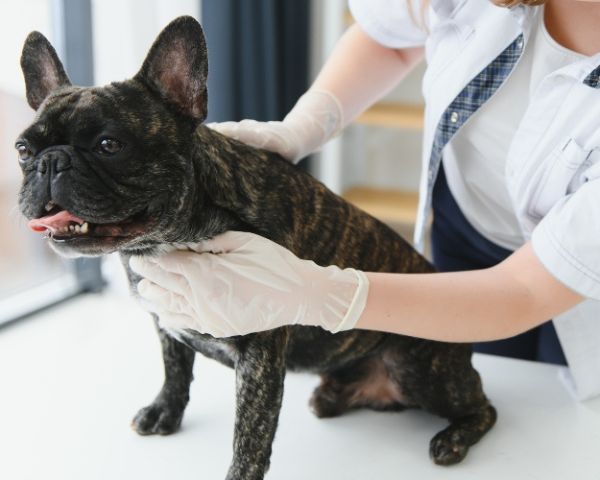
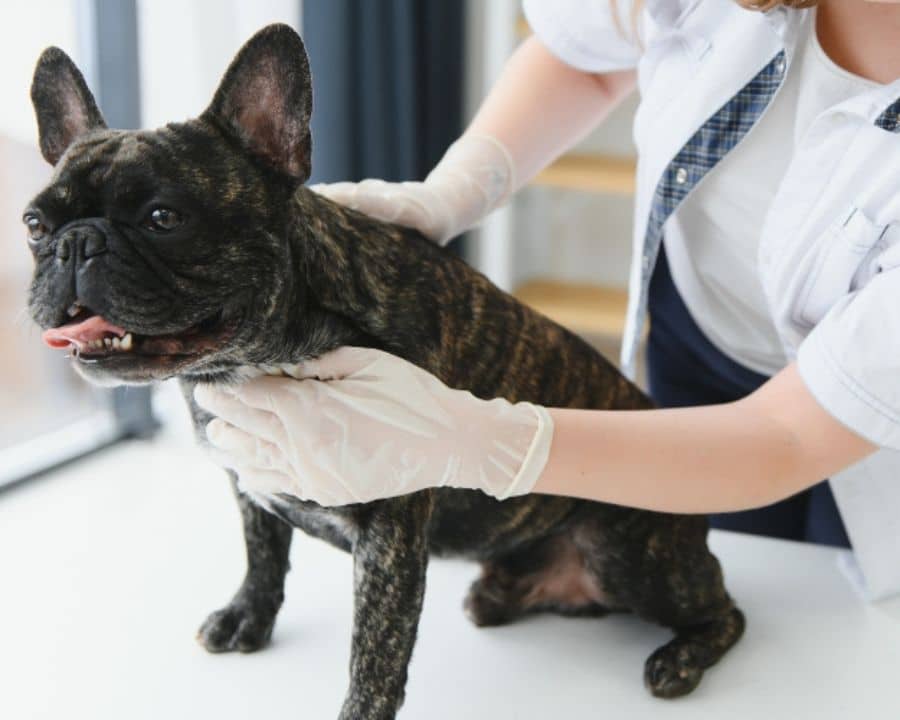
During a wellness examination, a veterinarian evaluates multiple areas of your pet’s body.
These examinations may reveal:
- Unexplained weight changes.
- Abnormal heart or lung sounds.
- Swollen lymph nodes.
- Skin growths or unusual lumps.
- Dental inflammation.
- Joint stiffness or reduced mobility.
Some findings require further testing, while others can be monitored during future appointments.
For example, gradual weight loss may go unnoticed at home. However, comparing current and previous measurements can reveal a concerning pattern.
Blood Tests Can Identify Internal Health Problems
Routine bloodwork provides information about how your pet’s organs and body systems are functioning.
Depending on your pet’s age, medical history, and risk factors, our vets may recommend tests to evaluate:
- Kidney and liver function.
- Blood glucose levels.
- Red and white blood cell counts.
- Electrolyte balance.
- Thyroid function, when indicated.
Some pets with early kidney disease show few outward symptoms. Blood and urine testing may reveal changes that require further investigation.
Bloodwork cannot identify every disease, but it provides useful information alongside physical examination findings.
Dental Examinations Help Identify Oral Health Problems
Dental disease often develops gradually. Many pets continue eating normally despite oral discomfort.
During wellness visits, our vets check for:
- Inflamed or bleeding gums.
- Excessive tartar buildup.
- Broken or discolored teeth.
- Persistent bad breath.
- Loose teeth or visible oral abnormalities.
Some dental problems develop beneath the gumline and require dental X-rays for proper assessment.
Identifying these concerns early can help reduce discomfort and prevent further damage.
Weight Monitoring Reveals Nutritional and Metabolic Changes
Your pet’s weight provides important information about their overall health. Gradual weight gain can increase the risk of mobility problems and other complications. Unexplained weight loss may indicate an underlying illness.
During wellness visits, our veterinary team evaluates body condition, feeding habits, and activity levels. If your pet loses weight despite eating normally, additional testing may help identify the cause.
Parasite Screening Detects Hidden Infections
Internal and external parasites can affect pets without causing immediate symptoms.
Depending on your pet’s lifestyle, routine screening may include:
- Fecal testing for intestinal parasites.
- Heartworm testing for dogs.
- Evaluation for fleas and ticks.
- Additional testing when medically indicated.
Consistent parasite prevention and screening are important parts of preventative pet care, especially for pets that spend time outdoors.
What Health Problems Can Routine Veterinary Visits Help Detect?
Routine examinations and recommended screenings may help identify several conditions before noticeable symptoms develop.
Kidney Disease
Blood and urine tests may reveal changes in kidney function before a pet develops increased thirst, frequent urination, or appetite changes.
Diabetes
Blood glucose testing and urinalysis can help identify abnormalities associated with diabetes, particularly in pets showing changes in weight or thirst.
Heart Disease
Listening to your pet’s heart may reveal murmurs or abnormal rhythms that require additional diagnostic evaluation.
Arthritis
Changes in movement, joint flexibility, or physical comfort may indicate developing arthritis, particularly in older pets.
Thyroid Disorders
Changes in weight, activity, appetite, and hormone levels may suggest thyroid problems that require further testing.
Not every condition can be detected through routine screening. Our vets consider examination findings and medical history before recommending additional tests.
How Often Should Your Pet Have a Preventative Care Visit?
The appropriate examination schedule depends on your pet’s age, health status, and individual needs.
Puppies and Kittens
Young pets typically need several appointments during their first months of life. These visits help monitor growth, administer recommended vaccinations, discuss parasite prevention, and identify developmental concerns.
Healthy Adult Pets
Most healthy adult dogs and cats benefit from a comprehensive veterinary examination at least once annually. Pets with ongoing medical conditions or additional risk factors may require more frequent visits.
Senior Pets
Older pets often benefit from veterinary examinations approximately every six months. More frequent evaluations can help identify changes involving mobility, organ function, and other age-related concerns. Our veterinary practice can recommend a visit schedule based on your pet’s individual health needs.
What Changes Should Pet Owners Watch for Between Visits?
Routine appointments are important, but observing your pet at home is equally valuable.
Contact our veterinary practice if you notice:
- Increased drinking or urination.
- Unexplained weight loss or appetite changes.
- Reduced interest in playing or exercising.
- Difficulty jumping or climbing stairs.
- Persistent bad breath or difficulty chewing.
- Increased hiding or unusual behavior.
- Repeated vomiting or diarrhea.
These symptoms can have several possible causes. A veterinary examination helps determine whether further testing is necessary.
Sudden breathing difficulty, collapse, seizures, or an inability to urinate require immediate emergency veterinary attention.
Why Does Your Pet’s Medical History Matter?
A single examination provides a snapshot of your pet’s health. Repeated examinations help reveal patterns over time. For example, a blood test result may remain within the normal reference range while showing a meaningful change from previous results.
Similarly, gradual weight loss or declining mobility may become more noticeable when measurements are compared across several appointments. Maintaining consistent veterinary records allows our vets to evaluate these trends and determine whether further investigation is necessary. This ongoing approach to preventative pet care supports informed decisions about diagnostic testing, nutrition, and long-term health management.
Give Your Pet More Healthy Days Ahead
Your pet’s health can change gradually, sometimes without obvious warning signs. Regular veterinary visits offer opportunities to recognize these changes, address developing concerns, and make informed decisions about their long-term well-being.
At TotalBond Veterinary Hospital at Davidson, we understand how much your pet’s comfort, health, and happiness matter to your family. Our veterinary team is here to support their changing needs throughout every life stage.
Is your pet due for a wellness examination, or have you noticed changes in their daily routine? Contact our veterinary practice in Mooresville today to schedule an appointment. Let our vets help you stay informed about your pet’s health and take meaningful steps toward a healthier future.
Frequently Asked Questions
1. Can pets develop health problems without showing symptoms?
Yes. Conditions such as early kidney disease, dental disease, and certain heart problems may develop without obvious symptoms. Routine examinations and recommended screenings can help identify abnormalities earlier.
2. Do indoor cats need regular veterinary examinations?
Yes. Indoor cats can develop dental disease, obesity, kidney problems, and other medical conditions. Regular veterinary visits help monitor their health and identify changes that owners may overlook.
3. Does every pet need bloodwork during annual wellness visits?
Not necessarily. Testing recommendations depend on age, medical history, symptoms, and individual risk factors. Your veterinarian can explain which screenings may be appropriate.
4. Where can I schedule a preventative care appointment in Mooresville?
You can contact TotalBond Veterinary Hospital at Davidson to schedule a wellness appointment. Our veterinary team can evaluate your pet’s health and discuss appropriate examinations and screenings.
5. How can your veterinary practice help senior pets in Mooresville?
At TotalBond Veterinary Hospital at Davidson, our vets can assess your senior pet’s mobility, weight, dental health, and overall condition. We can also recommend diagnostic testing when necessary to investigate age-related changes.
6. Can your veterinary practice evaluate sudden behavior changes in Mooresville?
Yes. TotalBond Veterinary Hospital at Davidson can assess changes in appetite, activity, mobility, and behavior to investigate possible medical causes. Severe or rapidly worsening symptoms require immediate veterinary attention.