Seasonal changes affect more than the weather. They can influence your pet’s activity levels, exposure to parasites, skin health, and overall comfort. A dog that enjoys long summer walks may struggle with the heat, while a cat might develop dry, irritated skin during winter. These changes can happen gradually, making it difficult for pet owners to recognize when their animals need additional attention.
Understanding how different seasons affect animal health can help prevent avoidable illnesses and discomfort. This guide is especially for pet owners in Mooresville who want to understand how seasonal changes influence their pets’ health and how regular veterinary care can help them stay healthy throughout the year.
Why Seasonal Changes Matter for Pet Health
Each season introduces environmental conditions that can affect dogs and cats differently. Temperature, humidity, pollen levels, and changes in daily activity all influence their health.
For example, warmer temperatures can increase exposure to fleas and ticks. Cold weather may aggravate joint stiffness in older animals, while seasonal allergens can cause skin irritation.
Some pets face greater risks because of their age, breed, weight, or existing medical conditions. Others may experience problems because their owners unknowingly change their exercise or feeding routines.
Regular wellness examinations help our vets recognize these seasonal concerns before they become more serious. Through consistent pet preventative care, we can monitor your animal’s condition and recommend appropriate adjustments as the seasons change.
Spring Brings Allergies and Parasite Concerns
Spring often means longer walks, outdoor playtime, and more opportunities for pets to explore. However, increasing temperatures and environmental allergens can introduce new health concerns.
Seasonal Allergies Can Affect Skin Health
Pollen from trees, grasses, and weeds can trigger allergic reactions in sensitive pets. Unlike humans, dogs and cats frequently develop skin-related symptoms rather than sneezing alone.
Common warning signs include:
- Frequent scratching or licking
- Red or irritated skin
- Recurrent ear infections
- Excessive paw chewing
- Hair loss from persistent scratching
Our vets can examine your pet’s skin and ears to determine whether allergies, infections, or parasites are responsible. Appropriate treatment can reduce discomfort and help prevent secondary infections.
Fleas and Ticks Require Consistent Prevention
Warmer spring weather can increase flea and tick activity. These parasites may cause itching, allergic reactions, anemia, and certain infectious diseases.
North Carolina’s climate also allows parasite exposure during cooler months. Therefore, seasonal increases in activity should not be mistaken for the only time prevention matters.
Our veterinary practice recommends year-round parasite protection based on each pet’s health, species, age, and lifestyle.
Summer Heat Creates Additional Health Risks
Summer in Mooresville can bring high temperatures and humidity. These conditions increase the risk of overheating, particularly for pets that spend considerable time outdoors.
Heat Exhaustion and Heatstroke Need Attention
Dogs regulate body temperature primarily through panting. When environmental temperatures become excessive, their bodies may struggle to release heat efficiently.
Pets with short noses, thick coats, obesity, or existing heart and respiratory conditions may face greater risks.
Watch for these warning signs:
- Excessive or unusually heavy panting
- Drooling and visible distress
- Weakness or difficulty standing
- Vomiting or diarrhea
- Collapse or altered responsiveness
Heatstroke is a medical emergency. Move your pet into a cooler environment, begin cooling with cool water, and seek immediate veterinary care. Avoid ice baths or delaying treatment.
Hydration and Outdoor Activity Need Adjustments
Pets require reliable access to fresh drinking water throughout the day. Their needs can increase during warm weather, especially after exercise.
Our vets recommend adjusting outdoor routines to reduce unnecessary heat exposure. Walk dogs during cooler morning or evening hours. Check pavement temperatures before walking and provide shaded resting areas.
Never leave pets inside parked vehicles, even for a brief period. Interior temperatures can become dangerous quickly.
Fall Weather Can Affect Your Pet’s Routine
Fall often brings cooler temperatures and more comfortable outdoor conditions. However, seasonal changes can still influence your pet’s behavior and health.
Changing Activity Levels Influence Body Weight
Some pets become more active as temperatures decrease. Others exercise less because their owners spend additional time indoors.
Changes in activity can affect calorie requirements and body condition. Excess weight places additional pressure on joints and may increase the risk of conditions such as diabetes.
Our veterinary practice offers nutrition and weight counseling to help pet owners maintain healthy feeding and exercise routines.
Outdoor Allergens May Continue Into Fall
Ragweed pollen and mold spores can cause allergic symptoms during fall. Pets that experienced spring allergies may develop another period of itching or skin irritation.
Regular grooming and cleaning your pet’s paws after outdoor activities may reduce contact with environmental irritants.
Persistent itching, ear discomfort, or skin inflammation should receive veterinary attention rather than relying on repeated home treatments.
Winter Requires Additional Comfort and Health Monitoring
Although winters in Mooresville are generally milder than those in northern states, cold temperatures can still affect vulnerable pets.
Cold Weather Can Aggravate Joint Discomfort
Senior dogs and cats with arthritis may appear stiffer or less willing to move during colder weather.
You might notice your pet:
- Hesitating before climbing stairs
- Taking longer to stand after resting
- Avoiding jumping onto furniture
- Walking more slowly than usual
These behaviors can indicate underlying joint discomfort rather than normal aging alone.
Our vets can evaluate mobility concerns and recommend appropriate treatment, weight management, and activity adjustments.
Indoor Heating Can Affect Skin Moisture
Indoor heating may reduce humidity and contribute to dry skin in certain pets. Frequent bathing with unsuitable products can make the problem worse.
Use pet-appropriate grooming products and maintain a comfortable indoor environment. Persistent flaking, redness, or itching warrants an examination because these symptoms can also indicate underlying disease.
Winter is also a good time to check bedding, sleeping areas, and accessibility for older animals.
Why Parasite Prevention Matters Throughout the Year
One common misconception is that flea, tick, and heartworm prevention becomes unnecessary during colder months.
However, North Carolina’s relatively mild climate allows parasites and their carriers to remain active beyond summer.
Mosquitoes transmit heartworm disease, which can cause serious cardiovascular and respiratory complications. Fleas can survive indoors, while ticks may remain active during periods of warmer winter weather.
Our approach to pet preventative care includes discussing year-round parasite control, appropriate screening, and medication safety.
Preventive products should always match your pet’s species, weight, age, and medical history. Never use a product intended for dogs on cats without veterinary approval.
How Regular Wellness Exams Support Seasonal Health
Seasonal home care is valuable, but it cannot replace professional veterinary examinations.
Pets often conceal discomfort, and several medical conditions develop without obvious early symptoms.
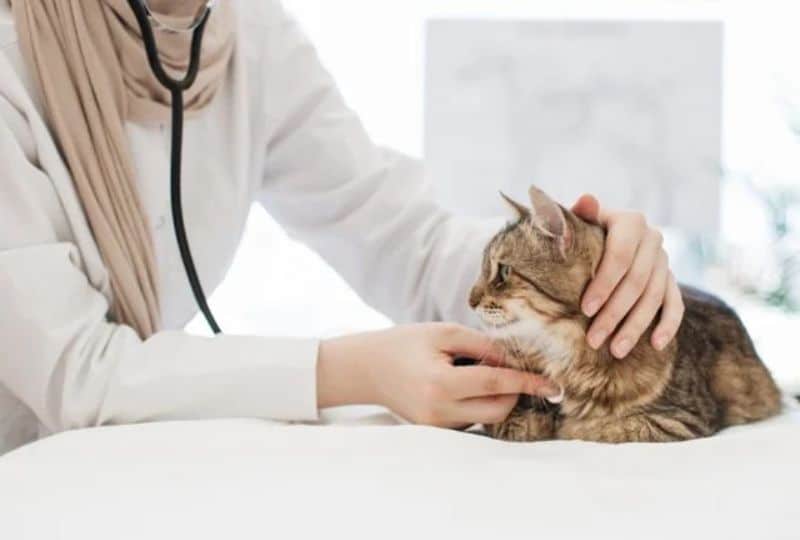
During a wellness appointment, our vets assess important indicators of health, including:
- Physical condition: Weight, body condition, skin, and coat health.
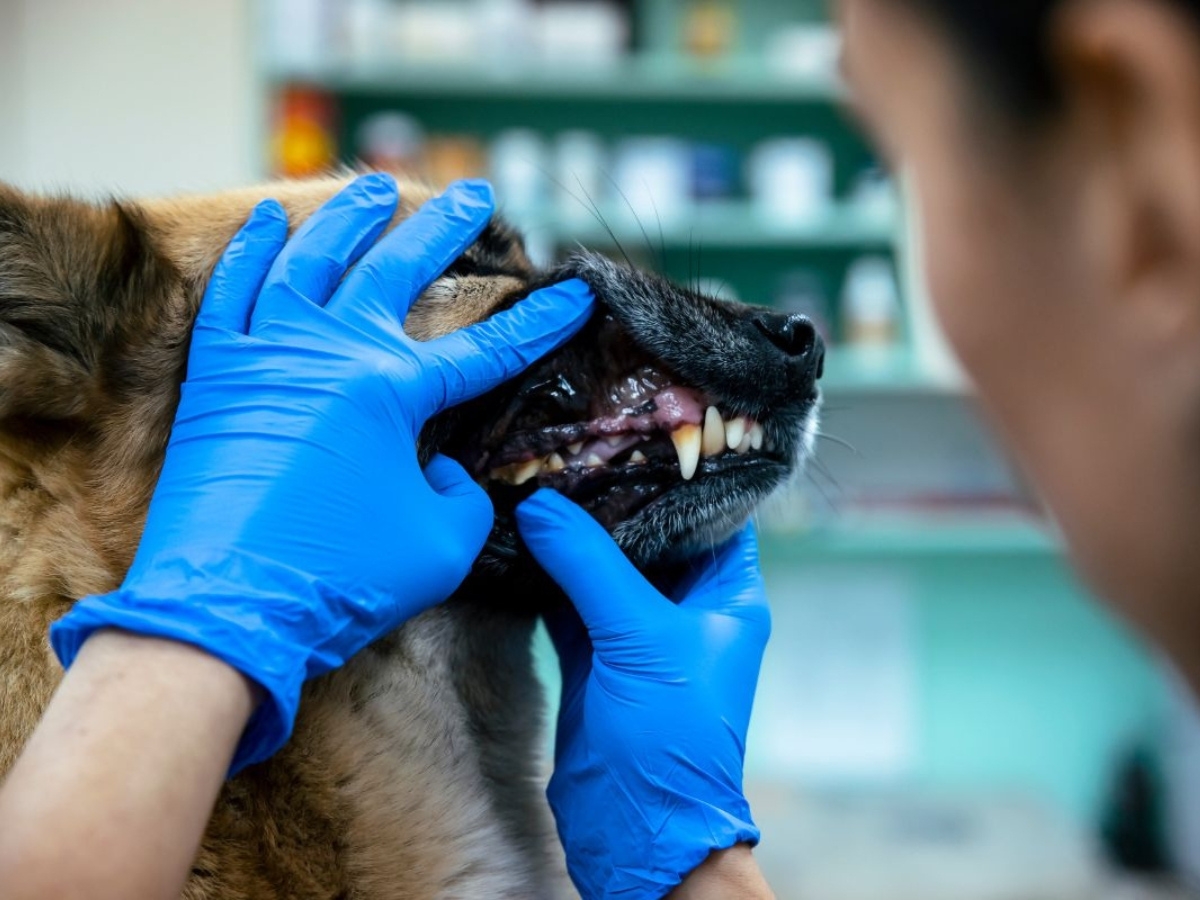
- Dental health: Teeth and gums for signs of disease.
- Mobility: Joint movement, stiffness, and muscle condition.
- Vaccinations: Current protection and lifestyle-related vaccine needs.
- Parasite protection: Preventive medication and appropriate testing.
- Diagnostic screening: Blood work, fecal examinations, or other tests when indicated.
Most adult pets benefit from at least annual examinations, while senior animals and those with certain medical conditions may need more frequent visits.
These appointments also allow us to discuss changes in appetite, exercise, behavior, and daily routines.
Simple Ways to Prepare for Each Season
Preventive healthcare works well when veterinary guidance becomes part of everyday home care.
Pet owners can reduce seasonal risks by following several practical habits:
- Review parasite prevention throughout the year.
- Monitor changes in appetite, weight, and energy.
- Adjust exercise according to temperature and humidity.
- Provide clean drinking water and appropriate shelter.
- Examine your pet’s skin, paws, and ears regularly.
- Keep vaccinations and wellness examinations current.
- Contact our vets when unusual symptoms appear.
These habits help pet owners recognize changes earlier and make informed decisions about veterinary care.
Help Your Pet Stay Healthy in Every Season
Seasonal healthcare is about recognizing changing risks while maintaining consistent protection. Regular examinations, parasite control, vaccinations, and nutritional guidance can reduce preventable health problems and support your pet’s comfort throughout the year.
At TotalBond Veterinary Hospital at Davidson, we help pet owners understand their animals’ changing needs through comprehensive preventative healthcare. Our veterinary team works with families to identify concerns early and develop appropriate care recommendations.
If you’re in Mooresville and want to protect your pet’s health through every season, contact our veterinary hospital today or request an appointment online. Let our vets help your companion stay comfortable, active, and healthy throughout the year.
Frequently Asked Questions
1. How often should pets receive seasonal wellness examinations?
Most healthy adult pets benefit from annual wellness examinations. Senior pets and animals with chronic medical conditions may need visits every six months. Your veterinarian can recommend an appropriate examination frequency based on age, medical history, and individual health risks.
2. Does my pet need flea prevention during winter?
Yes. Fleas can survive inside heated homes, and outdoor temperatures do not remain consistently cold in many regions. Year-round prevention helps reduce infestations and flea-related illnesses. Your veterinarian can recommend a suitable preventive medication for your pet.
3. Can seasonal weather changes affect my pet’s appetite?
Yes. Temperature changes and differences in physical activity can affect calorie requirements and eating habits. However, significant or persistent appetite changes may indicate illness. Veterinary evaluation is important when reduced appetite accompanies vomiting, lethargy, or unexplained weight loss.
4. Where can I get seasonal pet wellness care in Mooresville?
TotalBond Veterinary Hospital at Davidson provides preventative veterinary services for pets in Mooresville. Our team offers wellness examinations, vaccinations, parasite testing and prevention, and nutritional counseling to help pet owners address changing healthcare needs throughout the year.
5. Can your vets help with seasonal allergies in Mooresville?
Yes. At TotalBond Veterinary Hospital at Davidson, our vets examine pets showing signs of itching, skin redness, or recurring ear problems. We evaluate possible causes and recommend appropriate treatment based on the examination findings and your pet’s medical history.
6. How can I arrange preventative care for my pet locally?
Pet owners in Mooresville can contact TotalBond Veterinary Hospital at Davidson to arrange a wellness appointment. Our team can review vaccination needs, parasite prevention, weight concerns, and other health issues affecting your pet during different seasons.