

Bringing a kitten home is an exciting experience filled with playful moments, tiny paws, and plenty of new responsibilities. During the first year, your kitten goes through rapid physical and behavioral changes. Therefore, providing the right nutrition, preventive healthcare, socialization, grooming, and home environment can help establish a strong foundation for a healthy life.
New cat parents often have questions about vaccinations, feeding schedules, parasite prevention, dental health, litter box habits, and spaying or neutering. Fortunately, a consistent routine can make these responsibilities much easier to manage. With the right information and support, you can help your kitten grow into a confident and healthy adult cat.
For families welcoming a new feline companion, this guide explains the essential steps for first-year kitten care and provides practical guidance for families in Mooresville.
Why the First Year Matters for Your Kitten
The first year plays an important role in your kitten’s development. During this period, your kitten grows quickly, develops important habits, and becomes familiar with people, animals, sounds, and daily routines.
Because kittens are still developing, they have different nutritional and healthcare needs than adult cats. Regular veterinary visits can help monitor growth and identify potential concerns early.
Additionally, early experiences can influence your kitten’s behavior later in life. Positive interactions, gentle handling, and gradual exposure to new situations can help your kitten become more comfortable with everyday experiences.
Schedule Your Kitten’s First Veterinary Visit
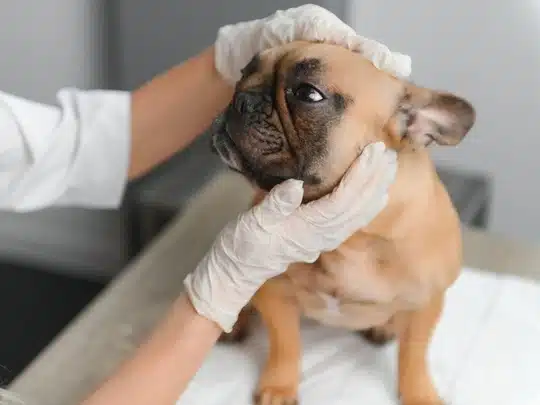
One of the first steps after bringing your kitten home should be scheduling a veterinary examination. Even if your kitten appears healthy, an initial checkup can provide valuable information about overall health.
During the appointment, the veterinary team may assess:
- Weight and body condition
- Heart and breathing
- Eyes and ears
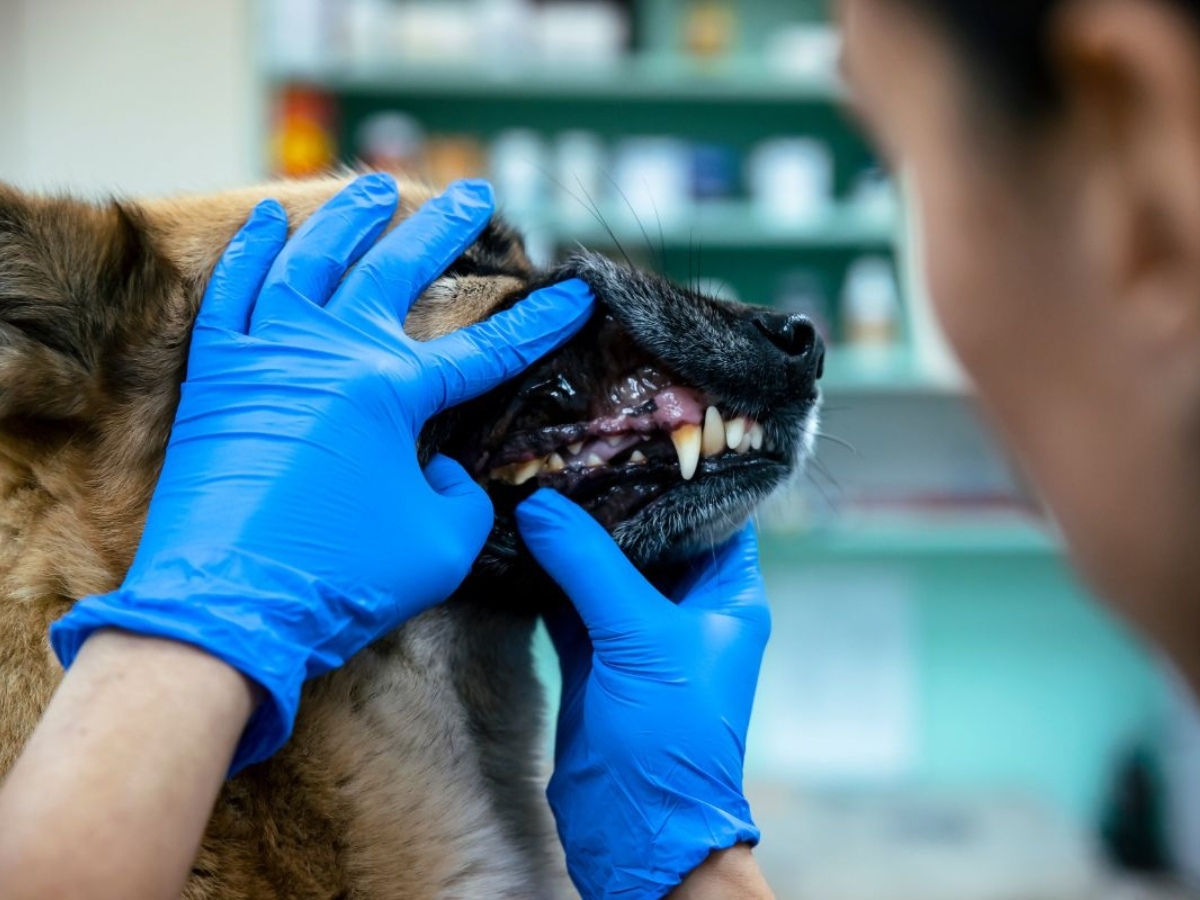
- Mouth and teeth
- Skin and coat
- Abdomen
- Musculoskeletal development
- General behavior
Your veterinarian can also discuss vaccination schedules, parasite prevention, nutrition, dental care, and spaying or neutering.
Furthermore, regular examinations throughout the first year allow the veterinary team to track your kitten’s development and adjust recommendations as your pet grows.
Understand Your Kitten’s Vaccination Needs
Vaccinations help protect kittens from several contagious and potentially serious diseases. Because young kittens have developing immune systems, following an appropriate vaccination schedule is particularly important.
Your veterinarian will recommend vaccines based on your kitten’s age, lifestyle, health history, and risk factors.
Core vaccinations may be recommended for protection against common feline diseases. Depending on your kitten’s circumstances, your veterinarian may also recommend additional vaccines.
Keeping vaccinations up to date is important even if your cat will live primarily indoors. Indoor cats can still encounter infectious organisms through other animals, contaminated objects, or unexpected exposure.
Therefore, keep a written record of every vaccination and follow your veterinarian’s recommended schedule.
Feed a Balanced Kitten Diet
Nutrition plays a major role in healthy growth. Kittens need food formulated specifically for their developmental stage because their bodies require appropriate levels of protein, calories, vitamins, minerals, and other nutrients.
Choose a complete and balanced kitten food recommended for your pet’s age and nutritional needs. Follow feeding instructions while also monitoring your kitten’s body condition.
Young kittens generally eat more frequently than adult cats. However, feeding requirements vary depending on age, size, activity, and individual health.
Always provide fresh, clean water. Some kittens prefer moving water, so a pet water fountain may encourage better hydration.
Avoid making frequent food changes. If you need to transition your kitten to a different diet, gradually introduce the new food to reduce the chance of digestive upset.
Protect Your Kitten From Parasites
Parasites can affect kittens even when they spend most of their time indoors. Fleas, intestinal parasites, and other pests can cause discomfort and may contribute to more serious health problems.
Your veterinarian can recommend an appropriate parasite prevention program based on your kitten’s age, lifestyle, and risk factors.
Do not use flea or parasite products designed for another species unless your veterinarian specifically recommends them. Certain products can be dangerous for cats.
Regular fecal testing may also help identify intestinal parasites that are not immediately obvious.
By staying consistent with preventive care, you can reduce the risk of parasite-related problems as your kitten grows.
Create a Safe and Comfortable Home
Your home should provide a secure environment where your kitten can explore without unnecessary hazards.
Before bringing your kitten home, check for potential dangers. Secure electrical cords, keep toxic plants out of reach, and store cleaning products and medications safely. Small objects that could become choking or swallowing hazards should also remain inaccessible.
Windows and balconies deserve special attention. Use secure screens and prevent access to unsafe heights.
Additionally, give your kitten a quiet area where they can retreat when they feel overwhelmed. A comfortable bed, hiding space, food and water bowls, and litter box can help your new companion adjust.
Establish Good Litter Box Habits
Most kittens can learn litter box habits relatively quickly. However, placement and cleanliness can make a significant difference.
Place the litter box somewhere quiet and easily accessible. Avoid positioning it directly beside food and water bowls.
Clean the box regularly because cats often avoid dirty litter areas. If your home has multiple floors, consider providing convenient access to litter boxes on each level.
Also, avoid punishing your kitten for accidents. Instead, clean the area thoroughly and look for possible reasons behind the behavior.
If your kitten suddenly stops using the litter box, contact your veterinarian. Urinary problems, digestive issues, stress, or other health concerns can sometimes cause changes in elimination habits.
Support Healthy Dental Development
Your kitten’s mouth changes significantly during the first year. Baby teeth eventually give way to adult teeth, making dental health an important part of early preventive care.
Start getting your kitten comfortable with gentle mouth handling while they are young. Touch the face and lips calmly, and gradually introduce a pet-safe toothbrush if your veterinarian recommends one.
Never use human toothpaste unless a veterinary professional specifically confirms that the product is safe for your cat.
Regular veterinary examinations can also help identify dental abnormalities, retained baby teeth, gum inflammation, or other oral concerns.
Starting healthy dental habits early can make future dental care much easier.
Provide Appropriate Exercise and Play
Kittens have plenty of energy, and regular play supports physical and mental development.
Provide safe toys that encourage chasing, batting, pouncing, and problem-solving. Interactive play sessions can also strengthen the bond between you and your kitten.
However, avoid using your hands or feet as toys. Although this behavior may seem cute when your kitten is small, it can encourage biting and scratching as they grow.
Instead, use appropriate toys that keep a comfortable distance between your hands and your kitten’s teeth and claws.
Rotate toys occasionally to maintain interest. Puzzle feeders and other enrichment activities can also provide mental stimulation.
Focus on Socialization
The first year offers valuable opportunities to help your kitten become comfortable with everyday experiences.
Introduce new situations gradually and positively. Depending on your kitten’s health and vaccination status, you can help them become accustomed to gentle handling, household sounds, grooming, carriers, and appropriate interactions with people.
Never force your kitten into a frightening situation. Instead, allow them to approach new experiences at a comfortable pace.
Positive reinforcement can encourage confident behavior. Small treats, praise, and calm interaction can help your kitten associate new experiences with positive outcomes.
Get Your Kitten Comfortable With a Carrier
Many cats become stressed when they see a carrier because they associate it only with veterinary visits. You can help prevent this association by introducing the carrier early.
Leave the carrier in a familiar area with the door open. Place comfortable bedding or treats inside and allow your kitten to investigate it voluntarily.
Over time, your kitten may begin to view the carrier as a normal part of the home environment.
This preparation can make future veterinary visits and travel less stressful.
Discuss Spaying or Neutering
Spaying or neutering is an important conversation for new cat parents. Your veterinarian can explain the appropriate timing based on your kitten’s health, development, and individual circumstances.
These procedures can help prevent unwanted litters and may provide additional health and behavioral benefits.
Because the ideal timing can vary, discuss the procedure during one of your kitten’s early veterinary appointments.
Know the Warning Signs of Illness
Kittens can become sick quickly, so recognizing changes in behavior is important.
Contact your veterinarian if your kitten develops signs such as:
- Persistent vomiting
- Significant diarrhea
- Difficulty breathing
- Severe lethargy
- Loss of appetite
- Unusual hiding
- Sudden weight loss
- Persistent coughing or sneezing
- Eye or nasal discharge
- Difficulty urinating
- Blood in stool or urine
- Significant changes in behavior
A kitten that appears seriously ill should receive prompt veterinary attention.
Do not give your kitten human medications unless a veterinarian specifically instructs you to do so. Many medications that are safe for people can be dangerous to cats.
Keep Track of Your Kitten’s Growth
Monitoring your kitten’s growth can help you recognize changes early.
Keep track of veterinary appointments, vaccinations, parasite prevention, weight measurements, and other important health information. Maintaining these records also makes it easier to discuss your kitten’s development with your veterinary team.
Additionally, observe your kitten at home. Changes in eating, drinking, sleeping, grooming, activity, or litter box habits may provide useful clues about their health.
Build a Long-Term Preventive Health Routine
As your kitten approaches adulthood, preventive healthcare remains important. Veterinary examinations, vaccinations, parasite prevention, dental care, nutrition, and weight management all contribute to long-term wellness.
Your veterinarian can help you transition from kitten-specific recommendations to an adult preventive care plan.
Routine visits also provide an opportunity to discuss lifestyle changes. For example, an indoor cat may have different nutritional and enrichment needs from a cat that spends time outdoors.
The goal is not simply to treat illness when it occurs. Instead, preventive healthcare focuses on identifying risks and supporting your cat’s health throughout every stage of life.
How TotalBond Veterinary Hospital at Davidson Can Support Your Kitten
TotalBond Veterinary Hospital at Davidson offers veterinary services to help young cats receive appropriate preventive healthcare as they grow. From wellness examinations and vaccinations to parasite prevention and developmental guidance, a veterinary team can help new cat parents make informed decisions.
Every kitten develops at a different pace. Therefore, personalized veterinary recommendations can help ensure your companion receives care that fits their age, lifestyle, and individual needs.
Starting with a strong preventive healthcare routine can give your kitten the best opportunity to grow into a healthy adult cat.
Conclusion
The first year brings many important milestones for a kitten. From vaccinations and nutrition to dental health, socialization, parasite prevention, and safe play, each part of your kitten’s routine contributes to their overall well-being.
New cat parents do not have to manage everything alone. A consistent veterinary relationship can provide guidance as your kitten grows and help you recognize potential health concerns early.
If you’re in Mooresville and looking for kitten care near you, schedule an appointment with TotalBond Veterinary Hospital at Davidson. Our veterinary team can help you create a personalized wellness plan for your new feline companion. Call 704-892-1992 to learn more or schedule an appointment.
FAQs
- When should I take my new kitten to the veterinarian?
Ideally, schedule an initial veterinary examination soon after bringing your kitten home. The veterinarian can assess overall health, discuss vaccinations, recommend parasite prevention, and create an appropriate wellness schedule.
- How often should kittens visit the veterinarian during their first year?
Kittens commonly need several veterinary visits during their first year because vaccinations, growth monitoring, parasite prevention, and other preventive services may occur at different stages. Your veterinarian will recommend a schedule based on your kitten’s individual needs.
- What should I feed my kitten?
Feed a complete and balanced diet formulated specifically for kittens. Growing cats require different nutritional support than adult cats. Your veterinarian can help you select an appropriate food and feeding routine.
- How can I make veterinary visits less stressful for my kitten?
Introduce the carrier early and allow your kitten to explore it at home. Comfortable bedding and occasional treats can create positive associations. Gentle handling and gradual exposure to new experiences can also help your kitten become more confident.
- When should I start caring for my kitten’s teeth?
You can begin introducing gentle mouth handling while your kitten is young. Ask your veterinarian about appropriate brushing techniques and cat-safe dental products. Early habits can make ongoing oral care easier.
- Does TotalBond Veterinary Hospital at Davidson provide care for kittens?
Yes. TotalBond Veterinary Hospital at Davidson can help new cat parents with wellness examinations, vaccinations, preventive healthcare, nutrition guidance, parasite prevention, and other needs that support healthy kitten development.