

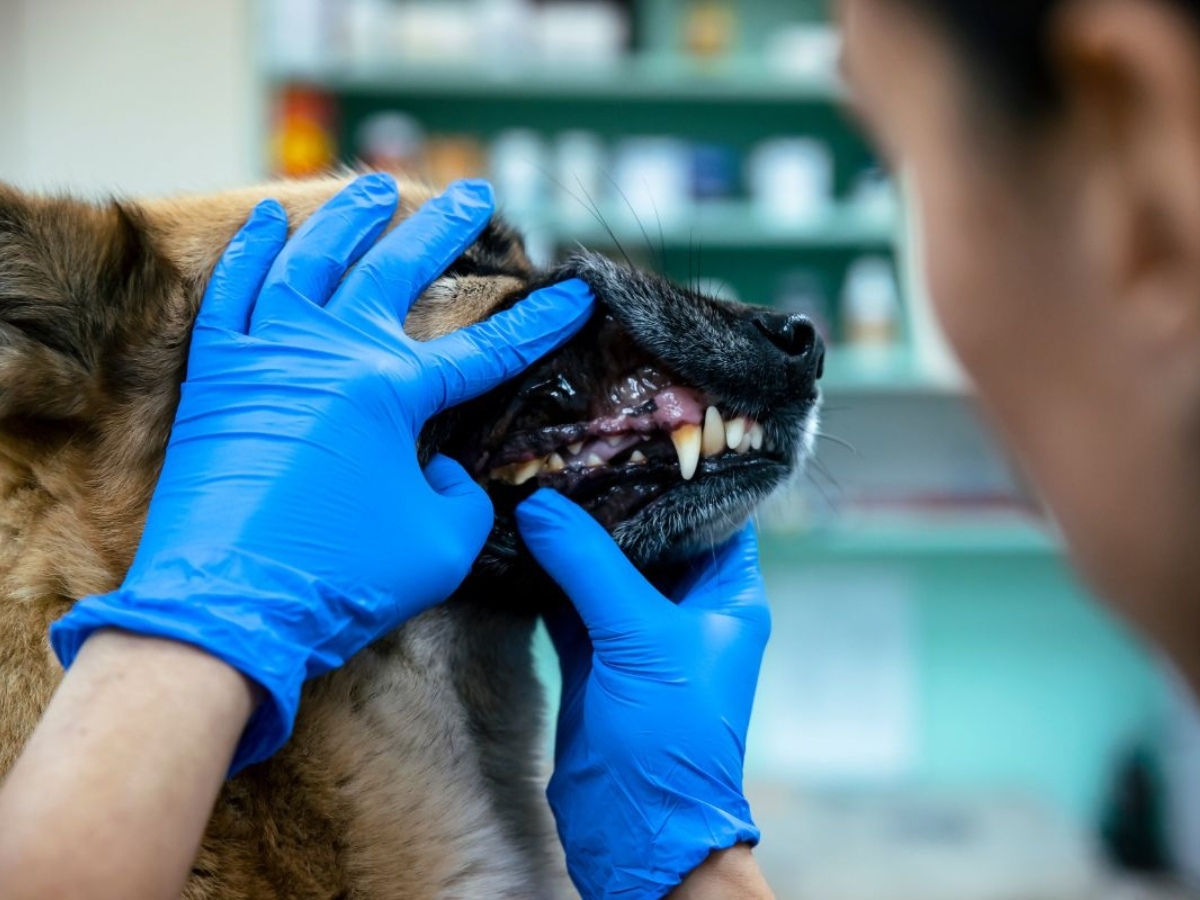
Pet owners often notice bad breath long before they realize a deeper health issue may be developing. Dental disease in dogs and cats is extremely common, yet many pets continue living with chronic oral pain that goes unnoticed for months or even years. Eating normally, wagging their tail, or asking for treats can make it difficult to recognize discomfort hiding beneath the surface.
At TotalBond Veterinary Hospital in Davidson, pets in Mooresville receive dental care designed to protect both oral health and overall wellness. Understanding the hidden effects of untreated dental disease can help pet owners take action before serious complications develop.
Why Dental Disease Often Goes Undetected in Pets
Dogs and cats instinctively hide pain. Survival instincts make animals avoid showing weakness, which means many pets continue their normal routines even when they are uncomfortable.
Dental disease usually develops gradually. Plaque buildup hardens into tartar, bacteria spread below the gumline, and inflammation slowly worsens over time. Pet owners may only notice subtle changes at first, including:
- Bad breath
- Dropping food while eating
- Chewing on one side of the mouth
- Reduced interest in dry food
- Pawing at the face
- Increased drooling
- Irritability or withdrawal
- Red or swollen gums
Many pets continue eating despite significant oral pain. Appetite alone is not always a reliable sign of comfort.
What is Periodontal Disease?
Periodontal disease is the most common dental condition seen in pets. Infection begins when plaque and bacteria accumulate around the teeth and gums.
Without treatment, periodontal disease progresses through several stages:
Stage 1 Gingivitis
Gums become red and inflamed. Early intervention can often reverse damage at this stage, potentially preventing further issues and promoting healing.
Stage 2 Early Periodontal Disease
Bacteria can begin to affect the structures beneath the gums, which can lead to mild bone loss.
Stage 3 Moderate Periodontal Disease
Inflammation worsens over time, leading to more extensive damage in the deeper tissues. As a result, the pain often becomes more noticeable and persistent.
Stage 4 Advanced Periodontal Disease
Severe infections can result in tooth loss, abscess development, and significant bone destruction.
Many pets develop dental disease long before obvious symptoms appear, often showing subtle signs like bad breath, difficulty eating, or pawing at the mouth, which can go unnoticed until the condition worsens.
The Hidden Pain Caused by Dental Disease
Untreated dental disease affects much more than a pet’s mouth. Chronic inflammation and infection can create constant discomfort that impacts daily quality of life.
Eating Becomes Painful
Chewing with infected gums or loose teeth can feel extremely uncomfortable. Some pets begin to swallow food whole or avoid crunchy foods entirely.
Inflammation Spreads Beneath the Gumline
Dental infections often develop below the visible surface. Deep pockets of bacteria can create pressure and pain around tooth roots.
Broken Teeth Expose Sensitive Nerves
Fractured teeth are common in dogs that chew hard objects. Exposed nerves may cause severe pain every time the pet eats or drinks.
Jaw Pain and Facial Swelling Can Develop
Advanced dental infections sometimes spread into surrounding tissues. Swelling near the jaw or beneath the eyes may indicate a serious abscess.
Health Problems Linked to Untreated Dental Disease
Oral bacteria do not always remain confined solely within the mouth; they can sometimes spread through the bloodstream or other pathways, affecting various parts of the body over time and potentially leading to serious health complications.
Potential complications include:
- Heart disease
- Kidney disease
- Liver problems
- Chronic inflammation
- Sinus infections
- Tooth root abscesses
- Bone loss in the jaw
Protecting your pet’s oral health is essential because it directly contributes to their overall well-being, happiness, and longevity.
Signs Your Pet May Be Living With Dental Discomfort
Pets rarely cry out from dental pain. Behavioral changes are often more noticeable than obvious signs of injury.
Watch for symptoms such as:
- Persistent bad breath
- Yellow or brown tartar buildup
- Bleeding gums
- Loose or missing teeth
- Difficulty chewing
- Excessive drooling
- Reduced activity levels
- Avoiding toys or chew treats
- Facial swelling
- Weight loss
- Sensitivity around the mouth
Cats may show even subtler signs, including hiding more frequently, grooming less often, avoiding interactions, or appearing more lethargic than usual.
Why Professional Dental Exams Matter
Many dental problems cannot be seen at a glance in the mouth. Significant disease often hides below the gumline, where bacteria damage roots and bone structures.
Professional veterinary dental care may include:
- Comprehensive oral examination
- Dental X-rays
- Teeth cleaning above and below the gumline
- Removal of plaque and tartar
- Evaluation for tooth extractions
- Treatment of infection or inflammation
Routine dental evaluations play a crucial role in identifying dental disease early, helping prevent pets from experiencing severe pain, discomfort, and potential health complications later. Regular checkups ensure overall well-being and maintain a healthy, pain-free life for your pets.
Learn more about veterinary dental care offered by TotalBond Veterinary Hospital at Davidson Dental Services.
How Dental Cleanings Help Pets Feel Better
Many pet owners notice dramatic improvements after dental treatment. Pets often become more energetic, playful, and comfortable once oral pain is relieved.
Benefits of professional dental care may include:
- Fresher breath
- Reduced inflammation
- Improved appetite
- Better chewing ability
- Lower risk of infection
- Improved comfort and quality of life
Dental cleanings are about far more than appearance. Oral health directly affects daily comfort and long-term wellness.
Preventing Dental Disease at Home
Home dental care plays a very important role in slowing plaque buildup between professional cleanings, helping maintain healthy teeth and gums over time.
Helpful prevention strategies include:
Daily Tooth Brushing
Pet-safe toothpaste and soft brushes can significantly reduce bacterial and plaque buildup, promoting healthier teeth and gums for pets over time.
Veterinary Approved Dental Chews
Certain dental treats are specially formulated to help clean teeth effectively during chewing, promoting oral health and freshening breath.
Routine Oral Exams
Regular veterinary visits help monitor oral health changes early, enabling timely interventions before disease becomes severe or causes significant discomfort.
Dental-Friendly Diets
Some prescription diets are specifically formulated to support oral health by reducing plaque buildup and promoting healthier teeth and gums.
Consistency matters more than perfection. Even small daily habits can gradually build up, leading to significant, positive changes over time, proving that persistent effort yields meaningful results.
Dental Care for Senior Pets
Older pets are especially vulnerable to advanced dental disease. Years of plaque accumulation may lead to painful infections and tooth loss if left untreated.
Senior dogs and cats benefit from regular dental assessments that evaluate:
- Gum health
- Tooth stability
- Hidden infections
- Oral tumors or growths
- Pain levels
- Difficulty eating
Age alone should not prevent pets from receiving dental care. Veterinary teams carefully evaluate overall health before recommending treatment plans.
Common Myths About Pet Dental Disease
Bad Breath is Normal
Persistent bad breath is often one of the earliest warning signs of dental disease.
Pets Stop Eating If Their Mouth Hurts
Many animals continue eating despite severe oral discomfort.
Dental Cleanings are Only Cosmetic
Professional dental care helps remove infection and prevent painful complications.
Chewing Hard Toys Cleans Teeth Safely
Very hard bones, antlers, and toys may fracture teeth and worsen dental problems.
When To Schedule a Veterinary Dental Evaluation
Pets should receive a dental examination if owners notice:
- Bad breath that persists
- Bleeding gums
- Difficulty eating
- Loose teeth
- Facial swelling
- Excessive drooling
- Changes in chewing habits
- Visible tartar buildup
Early care can prevent painful complications and protect long-term health.
Helping Pets Live More Comfortably
Dental disease is one of the most overlooked sources of chronic discomfort in pets. Pain often develops gradually, making it easy to miss until the disease becomes advanced.
Routine dental care helps pets eat comfortably, stay active, and enjoy a healthier life. Professional dental evaluations combined with consistent home care can significantly reduce the risks associated with untreated oral disease.
If your pet needs a dental checkup in Mooresville, book an appointment with TotalBond Veterinary Hospital at Davidson today. Our team will support your dog or cat’s oral health and inform you about treatment options to ensure their well-being.
Frequently Asked Questions
1. How common is dental disease in pets?
Dental disease is extremely common in both dogs and cats, especially as they age. Many pets develop some degree of periodontal disease by age three.
2. Can dental disease shorten a pet’s life?
Untreated dental disease may contribute to serious health problems involving the heart, kidneys, and liver. Chronic inflammation and infection can affect overall wellness over time.
3. How often should pets have professional dental cleanings?
Frequency depends on the pet’s age, breed, health status, and home dental care routine. Many pets benefit from annual dental evaluations and cleanings.
4. Is bad breath always a sign of dental disease?
Persistent bad breath is often linked to bacteria and infection in the mouth. Veterinary evaluation can help identify the underlying cause.
5. Are anesthesia-free dental cleanings recommended?
Anesthesia-free cleanings do not allow thorough cleaning beneath the gumline, where periodontal disease commonly develops. Comprehensive veterinary dental procedures provide a more complete evaluation and treatment approach.