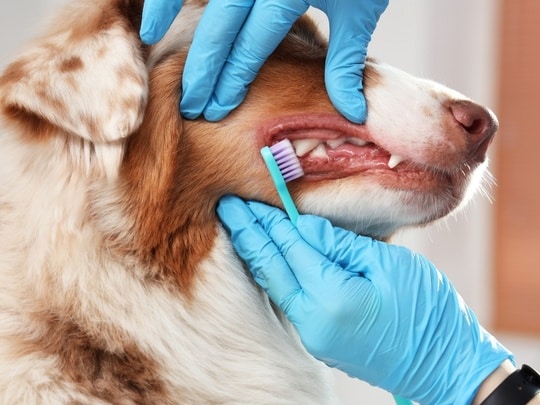

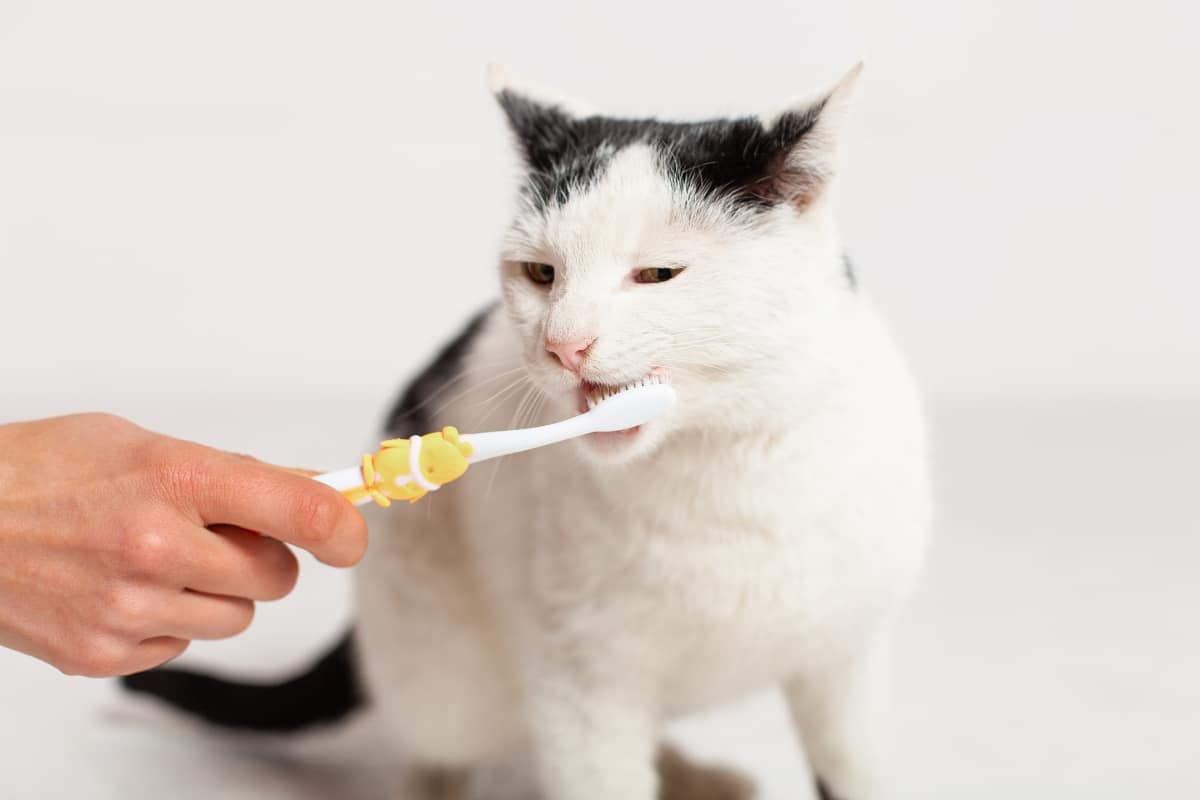
Brushing a cat’s teeth can seem challenging, especially when your cat is uncomfortable with having its mouth touched. However, toothbrushing does not have to become a daily struggle. With patience, gradual training, and positive reinforcement, many cats can learn to accept a dental routine.
Starting early can make the process easier, but older cats can also learn new habits. The key is to introduce each step slowly and allow your cat to become comfortable before moving forward. Instead of forcing the process, reward calm behavior and build trust during every session.
A consistent routine can help remove plaque before it hardens into tartar. Regular brushing also gives owners an opportunity to notice changes such as red gums, unusual swelling, bad breath, or discomfort. These observations can support better cat dental care and encourage timely professional evaluation when needed.
Why Cats Need Regular Toothbrushing
Cats can develop plaque when bacteria and food particles accumulate along the teeth and gumline. If plaque remains, it can harden into tartar. Over time, dental buildup may contribute to gum inflammation and other oral health problems.
Daily brushing is often considered an effective way to control plaque. Nevertheless, every cat has different tolerance levels, so owners should focus on establishing a comfortable and sustainable routine.
Toothbrushing should complement, rather than replace, professional dental examinations. A veterinarian can evaluate the mouth and identify dental concerns that may not be obvious at home.
Start With Your Cat’s Comfort
The biggest mistake owners can make is rushing into brushing. Cats often react negatively when an unfamiliar object suddenly enters their mouth.
Instead, begin by creating a calm environment. Choose a quiet location where your cat already feels comfortable. Sit near your cat without immediately attempting to touch its mouth.
Reward relaxed behavior with praise, affection, or a favorite treat. Once your cat remains comfortable around you, gradually introduce gentle touches around the face.
Step 1: Touch the Face
Begin by gently touching your cat’s cheeks and chin. Keep each session brief.
If your cat stays relaxed, provide a reward. If your cat pulls away, stop and try again later. The objective is to teach your cat that facial handling leads to positive experiences.
Step 2: Lift the Lip
Once your cat accepts facial touches, gently lift the lip for a second or two. You do not need to brush yet.
Reward calm behavior immediately. Gradually increase the amount of time you hold the lip up over several sessions.
Step 3: Introduce Toothpaste
Use toothpaste specifically formulated for cats. Human toothpaste should not be used because some ingredients may be unsafe for pets.
Allow your cat to smell and taste a small amount of pet-safe toothpaste from your finger. If your cat accepts it, continue rewarding the behavior.
Step 4: Introduce the Toothbrush
A cat-specific toothbrush or appropriately sized soft-bristled brush can make handling easier.
Let your cat investigate the toothbrush before using it. Place it nearby during calm moments and reward curiosity. This approach helps reduce the novelty of the object.
Step 5: Brush a Few Teeth
When your cat accepts the toothbrush, begin with just a few teeth. Focus primarily on the outer surfaces where plaque commonly accumulates.
Keep the first brushing session extremely short. A few seconds of successful brushing is better than forcing a long session that creates fear.
Use Positive Reinforcement
Positive reinforcement is the foundation of successful toothbrushing training. Reward your cat immediately after calm behavior so it can connect the action with something enjoyable.
Rewards may include a small treat, praise, affection, playtime, or another activity your cat enjoys.
However, avoid forcing your cat into position. Scruffing, chasing, or restraining a frightened cat can make future sessions significantly harder.
Instead, aim to create a predictable routine. For example, brush at approximately the same time each day and use the same quiet location.
Watch Your Cat’s Body Language
Cats communicate discomfort through subtle body language. Flattened ears, tail flicking, tense muscles, hiding, growling, or attempts to escape can indicate that your cat needs a break.
When you notice these signals, stop and return to an earlier training step during the next session.
On the other hand, relaxed posture, normal breathing, curiosity, and willingness to accept rewards suggest that your cat may be ready to progress.
Remember that training does not need to follow a fixed schedule. Some cats may progress within days, while others may require several weeks.
How Often Should You Brush a Cat’s Teeth?
Daily brushing is generally ideal for plaque control. However, consistency matters. If daily brushing is not immediately possible, begin with whatever frequency your cat can comfortably tolerate and gradually work toward a regular routine.
Short, successful sessions are usually more productive than occasional attempts that cause stress.
Try to finish each session on a positive note. This can help your cat develop a more favorable association with toothbrushing.
Common Toothbrushing Mistakes to Avoid
Several mistakes can make dental training more difficult.
Starting too quickly: Introducing the brush before your cat accepts facial handling can create resistance.
Forcing the mouth open: Cats may become fearful when owners forcefully open their mouths.
Using human toothpaste: Some human toothpaste ingredients are not appropriate for cats.
Brushing too aggressively: Gentle movements are preferable, particularly when your cat is still learning.
Making sessions too long: Extended sessions can overwhelm a cat that is new to brushing.
Ignoring warning signs: Persistent bad breath, bleeding gums, drooling, difficulty eating, or mouth sensitivity should not be treated as normal.
When Professional Dental Care Is Important
Home brushing can help control plaque, but it cannot address every dental problem. Cats may develop tartar, gum disease, damaged teeth, oral pain, or other conditions that require professional evaluation.
If your cat already has significant tartar or painful gums, brushing may be uncomfortable. A professional dental assessment should come first.
After building a regular home routine, TotalBond Veterinary Hospital at Bethel can help assess your cat’s oral health and determine whether additional dental care is appropriate.
Tips for a Successful Long-Term Routine
Once your cat accepts toothbrushing, consistency becomes important. Keep the toothbrush and toothpaste in an accessible location so you can maintain the routine.
Use gentle pressure and concentrate on the outside surfaces of the teeth. You do not need to force the mouth wide open.
Continue rewarding cooperation, especially when introducing changes. If your cat suddenly becomes resistant after previously accepting brushing, consider whether an underlying oral problem could be causing discomfort.
Regular professional examinations can also help identify problems before they become more complicated.
Teaching a cat to accept toothbrushing takes patience, consistency, and positive reinforcement. Start with simple steps, reward calm behavior, and progress only when your cat feels comfortable. Over time, a routine that initially seemed difficult can become a manageable part of everyday care.
Most importantly, pay attention to changes in your cat’s mouth, eating habits, breath, and behavior. Early attention to dental concerns can help support better long-term oral health.
For professional guidance about your cat’s dental needs, schedule your appointment with TotalBond Veterinary Hospital at Bethel.
Frequently Asked Questions
Q1. Can an adult cat learn to accept toothbrushing?
Ans: Yes. Adult cats can learn toothbrushing through gradual desensitization and positive reinforcement. Start with facial handling and progress slowly toward lifting the lip, introducing toothpaste, and brushing.
Q2. How long should I brush my cat’s teeth?
Ans: Begin with only a few seconds, particularly during training. Gradually increase the duration as your cat becomes comfortable. A short, calm session is better than forcing a longer one.
Q3. Can I use human toothpaste for my cat?
Ans: No. Use toothpaste specifically made for cats. Human toothpaste may contain ingredients that are unsuitable or potentially harmful to pets.
Q4. What if my cat refuses the toothbrush?
Ans: Return to an earlier training step. Reward your cat for accepting facial touches or the presence of the toothbrush before attempting to brush again. Never force the process.
Q5. How often should I brush my cat’s teeth?
Ans: Daily brushing is ideal for plaque control, but building the habit gradually is important. Consistent brushing that your cat tolerates is preferable to infrequent stressful sessions.
Q6. Does toothbrushing replace professional dental care?
Ans: No. Home brushing helps control plaque, but professional examinations are still important. A veterinary professional can identify tartar, gum problems, damaged teeth, and other oral health concerns.