
Regular dental care is an important part of keeping your dog healthy. Just like people, dogs develop plaque on their teeth after eating. Without regular cleaning, plaque can harden into tartar, contribute to gum inflammation, and eventually lead to periodontal disease. Because dogs may continue eating normally despite oral discomfort, dental problems can sometimes progress unnoticed.
So, how often should you brush your dog’s teeth? Ideally, you should brush them every day. Daily brushing helps remove plaque before it hardens and gives you an opportunity to monitor changes in your dog’s mouth. For pet owners who need guidance about ongoing oral care, TotalBond Veterinary Hospital at Bethel can help establish an appropriate dental routine and determine when professional evaluation may be useful.
Why Is Regular Dog Tooth Brushing Important?
Plaque begins forming on a dog’s teeth soon after eating. It contains bacteria, food particles, and other substances that adhere to the tooth surface. If plaque is not regularly removed, minerals in saliva can cause it to harden into tartar.
Over time, this buildup can irritate the gums and contribute to gingivitis and periodontal disease.
Poor oral health may lead to:
- Persistent bad breath
- Red or swollen gums
- Gum bleeding
- Tartar buildup
- Loose teeth
- Difficulty chewing
- Dropping food
- Excessive drooling
- Oral pain
- Changes in appetite or behavior
Advanced dental disease can affect the tissues supporting the teeth and may cause significant discomfort.
For this reason, tooth brushing should be considered part of your dog’s regular preventive health routine rather than something reserved for dogs with bad breath.
How Often Should You Brush a Dog’s Teeth?
Daily Brushing Is Ideal
Veterinary dental professionals generally recommend brushing your dog’s teeth every day when possible.
Daily brushing works well because plaque continuously develops. Removing it regularly helps prevent it from accumulating and hardening.
However, if your dog is new to tooth brushing, expecting a perfect daily routine immediately may create unnecessary frustration.
Start gradually and build consistency.
Is Brushing a Few Times a Week Enough?
If daily brushing is not realistic, brushing several times a week is still better than doing nothing.
The important point is to establish a sustainable routine. For example, brushing on Monday, Wednesday, Friday, and Sunday provides more regular plaque control than brushing only once every few weeks.
However, dogs with existing dental disease may need more comprehensive care than home brushing alone.
When Should You Start Brushing Your Dog’s Teeth?
You can introduce tooth brushing during puppyhood. Early exposure can help a dog become comfortable with having its mouth handled.
That said, it is never necessarily too late to begin.
Adult and senior dogs can learn to accept dental care as well. The process may simply require more patience, especially if your dog has never had a toothbrush near its mouth.
Begin with simple steps:
- Touch your dog’s muzzle gently.
- Lift the lip briefly.
- Let your dog become comfortable with your fingers near the teeth.
- Introduce dog-safe toothpaste.
- Allow your dog to taste the toothpaste.
- Introduce the toothbrush.
- Start brushing a few teeth at a time.
- Gradually increase the duration.
Reward calm behavior throughout the process.
What Type of Toothbrush Should You Use?
Use a toothbrush designed specifically for dogs.
Pet toothbrushes are available in different shapes and sizes. Some have small brush heads for smaller dogs, while others have longer handles or larger heads for bigger breeds.
A soft-bristled brush is generally a practical choice because it can clean the tooth surface without unnecessarily irritating the gums.
Some owners use finger brushes because they provide greater control. However, a finger brush does not automatically provide better cleaning than a traditional pet toothbrush.
The most suitable option is one that your dog tolerates and that allows you to gently reach the teeth and gumline.
What Toothpaste Is Safe for Dogs?
Always choose toothpaste formulated specifically for dogs.
Do not use human toothpaste unless a veterinarian specifically instructs you to do so. Dogs swallow toothpaste rather than rinsing and spitting it out, and some human toothpaste ingredients may be unsafe for pets.
Dog toothpaste comes in flavors designed to appeal to pets. If your dog enjoys the flavor, brushing may become easier.
You do not need to use a large amount. A small quantity is generally sufficient for brushing.
How to Brush Your Dog’s Teeth Properly
Knowing how often to brush is important, but technique matters too.
Step 1: Pick a Calm Time
Choose a quiet moment when your dog is relaxed. Avoid starting when your dog is overly excited or distracted.
Step 2: Introduce the Toothpaste
Let your dog taste a small amount of pet-safe toothpaste from your finger.
If your dog dislikes it, consider trying another dog-specific flavor.
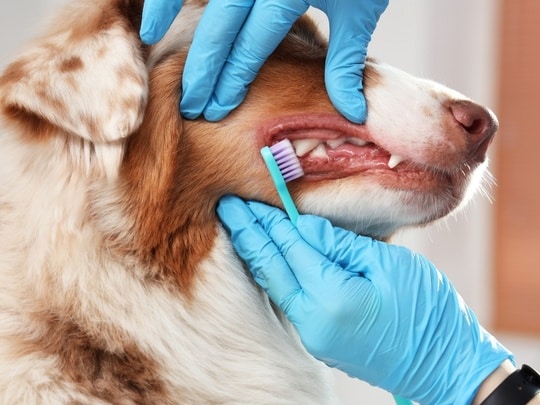
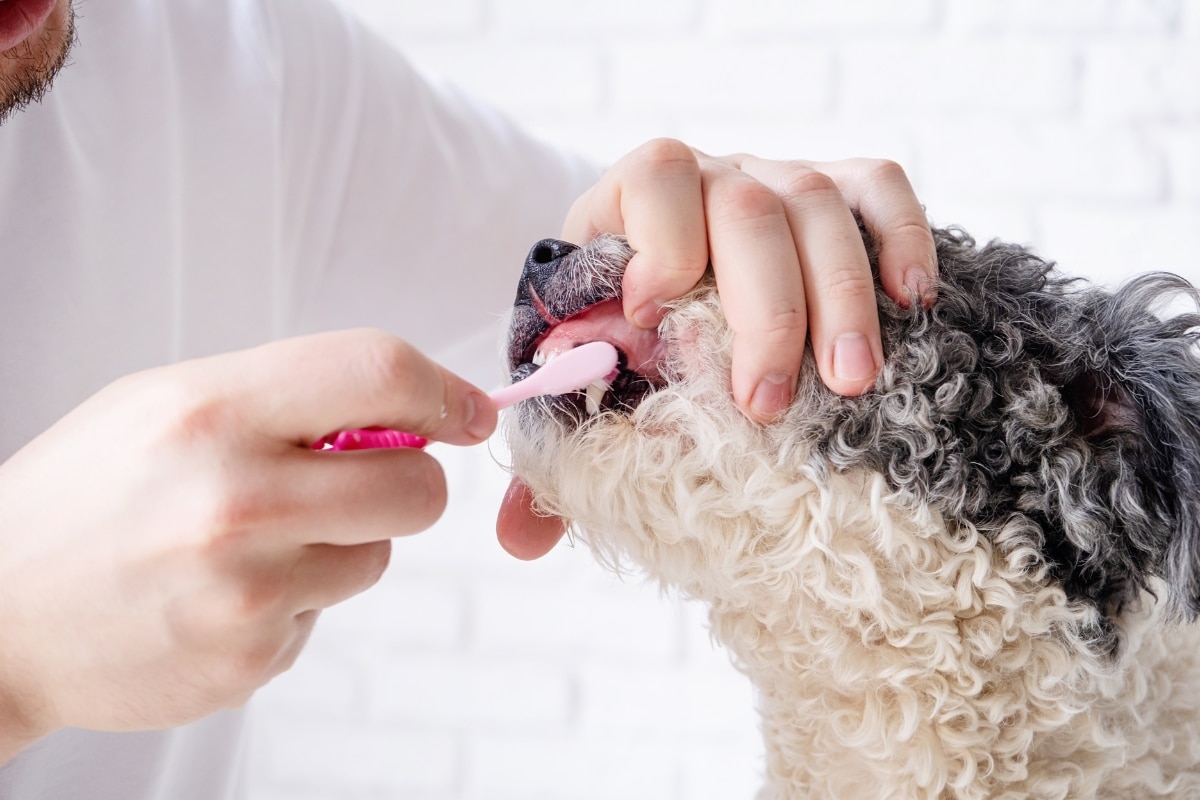
Step 3: Lift the Lip Gently
You usually do not need to force your dog’s mouth open. Gently lift the lip to expose the outer surfaces of the teeth.
Step 4: Brush the Outer Surfaces
Use gentle circular motions, paying particular attention to the gumline. The outer surfaces are usually the most practical area for home brushing.
Step 5: Keep Early Sessions Short
If your dog is new to brushing, start with only a few teeth.
As your dog becomes more comfortable, gradually increase the number of teeth you brush and the length of each session.
Step 6: Reward Your Dog
Praise your dog after brushing. A positive experience can make future sessions easier.
Do You Need to Brush Every Tooth?
You should aim to clean as much of the accessible tooth surface as your dog comfortably allows.
However, you do not need to force your dog’s mouth open or struggle to reach every individual tooth.
Focus especially on the outer surfaces and along the gumline, where plaque tends to accumulate.
If your dog strongly resists brushing, forcing the process can create fear and make future dental care more difficult.
Instead, take a step back and gradually rebuild your dog’s comfort.
Can You Brush Your Dog’s Teeth Too Much?
Routine brushing with a soft toothbrush and appropriate technique should not damage healthy teeth or gums.
However, brushing aggressively can irritate the gums. You should use gentle pressure rather than scrubbing forcefully.
If your dog’s gums bleed consistently during brushing, appear painful, or look significantly inflamed, stop and consult a veterinarian. Mild bleeding can sometimes occur when inflamed gums are first brushed, but persistent bleeding should not be ignored.
Can Dental Chews Replace Brushing?
Dental chews can complement a home dental routine, but they should not automatically replace tooth brushing.
Some dental products are designed to provide mechanical cleaning as dogs chew. Their effectiveness varies, and certain products may not be appropriate for every dog.
When selecting a dental chew, consider your dog’s:
- Age
- Size
- Chewing style
- Dental health
- Risk of swallowing large pieces
- Existing medical conditions
Your veterinarian can help determine which dental products are appropriate.
What About Dental Water Additives?
Dental water additives and specially formulated dental diets can provide additional support for oral hygiene.
However, they should generally be viewed as complementary tools rather than replacements for brushing.
If your dog will not tolerate a toothbrush, ask your veterinary team about alternative strategies. A combination of appropriate dental products and professional examinations may help support oral health.
When Does a Dog Need Professional Dental Care?
Home brushing is an important preventive measure, but it cannot remove significant hardened tartar or treat established periodontal disease.
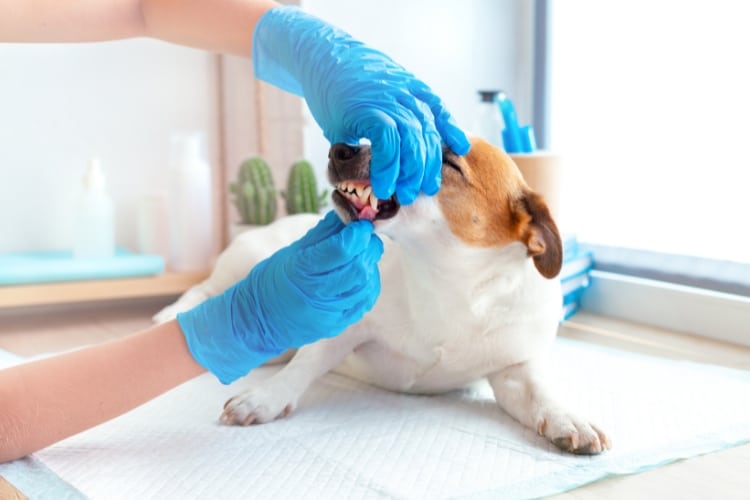
Your dog may need a professional dental evaluation if you notice:
- Heavy tartar buildup
- Red or swollen gums
- Persistent bad breath
- Bleeding gums
- Loose teeth
- Broken teeth
- Mouth swelling
- Difficulty chewing
- Dropping food
- Excessive drooling
- Pawing at the mouth
- Reduced appetite
A professional dental procedure may be recommended when significant plaque, tartar, or dental disease is present.
Veterinary dental care may also involve dental X-rays to evaluate structures below the gumline that cannot be seen during a simple visual examination.
How Often Should a Dog Have a Dental Exam?
The appropriate frequency depends on your dog’s age, breed, oral health, previous dental history, and individual risk factors.
Some dogs develop dental disease more quickly than others. Small breeds, for example, can be particularly prone to dental crowding and periodontal problems.
Routine wellness visits provide an opportunity for your veterinarian to examine your dog’s mouth and determine whether additional dental care is needed.
If you are searching for a pet dentist Lake Wylie, focus on finding a veterinary team that can evaluate your dog’s overall oral health rather than simply performing a cleaning.
What If Your Dog Refuses to Have His Teeth Brushed?
Do not turn brushing into a daily battle.
Instead, break the process into smaller steps. For several days, simply touch your dog’s muzzle. Once he accepts that comfortably, lift his lip. Then introduce toothpaste before eventually introducing the toothbrush.
Use positive reinforcement throughout the process.
If your dog shows significant fear, growling, snapping, or distress, stop and seek professional guidance. A veterinarian or qualified veterinary behavior professional can help you develop a safer approach.
When to Schedule a Dental Evaluation
Regular brushing is one of the most effective things you can do at home to support your dog’s oral health. However, it works best alongside routine veterinary examinations and professional dental care when necessary.
If you notice tartar, persistent bad breath, gum inflammation, chewing changes, or signs of oral discomfort, schedule an appointment with TotalBond Veterinary Hospital at Bethel to discuss your dog’s dental health and determine the most appropriate next steps.
So, how often should you brush your dog’s teeth? Ideally, every day. Daily brushing helps control plaque, supports healthier gums, and can reduce the buildup that contributes to periodontal disease.
Start gradually if your dog is unfamiliar with dental care, use dog-safe toothpaste and an appropriate toothbrush, and reward calm cooperation. Most importantly, do not rely on brushing alone when your dog already has visible tartar, gum disease, damaged teeth, or signs of oral pain.
A consistent home routine combined with regular veterinary dental examinations can make a meaningful difference in your dog’s long-term oral health. For pet owners in Lake Wylie, SC, maintaining that routine is an important part of comprehensive preventive care.
Frequently Asked Questions:
Q1. How often should I brush my dog’s teeth?
Ans: Ideally, brush your dog’s teeth every day. Daily brushing helps remove plaque before it can harden into tartar. If daily brushing is not possible, brushing several times a week can still provide meaningful plaque control. Consistency is important, so choose a schedule you can maintain over the long term.
Q2. Can I brush my dog’s teeth once a week?
Ans: Once-a-week brushing is better than no brushing, but it is not considered ideal for controlling plaque. Plaque develops continuously, so more frequent brushing provides better control. Aim for daily brushing when possible. If your dog has existing dental disease, discuss an appropriate home-care routine with your veterinarian.
Q3. What happens if I never brush my dog’s teeth?
Ans: Without regular plaque control, tartar can accumulate and contribute to gingivitis and periodontal disease. Dogs may develop bad breath, painful gums, loose teeth, and difficulty chewing. Some dogs continue eating normally despite significant oral discomfort, so regular dental examinations remain important even when your dog appears healthy.
Q4. Can I use human toothpaste on my dog?
Ans: No. Use toothpaste specifically formulated for dogs. Dogs typically swallow toothpaste rather than rinsing it out, and some human toothpaste ingredients can be unsafe for pets. Pet toothpaste is designed with canine use in mind and often comes in flavors that make brushing more appealing.
Q5. Do dental chews replace brushing a dog’s teeth?
Ans: Dental chews can complement brushing but should not automatically replace it. Their effectiveness varies by product, and some may not be appropriate for certain dogs. Brushing directly removes plaque from accessible tooth surfaces, while dental chews may provide additional mechanical cleaning. Ask your veterinarian which products are appropriate for your dog.
Q6. How do I know if my dog needs professional dental care?
Ans: Persistent bad breath, heavy tartar, red or bleeding gums, loose teeth, broken teeth, difficulty chewing, excessive drooling, or pawing at the mouth can indicate a need for professional evaluation. Even without obvious symptoms, regular veterinary oral examinations can help identify dental disease before it becomes advanced.