
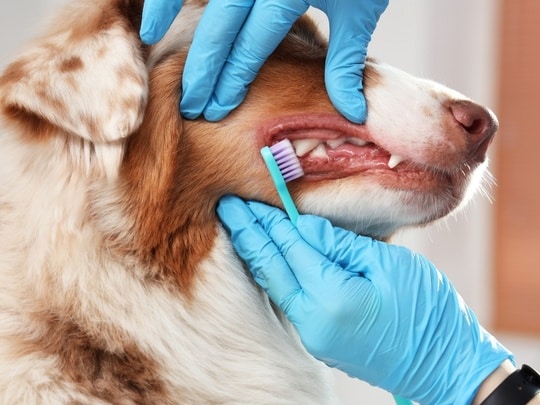
Dental health plays an important role in your pet’s overall well-being. Yet, many pet owners do not realize how much oral problems can affect everyday comfort. A pet may continue eating, playing, and interacting normally even while plaque, tartar, gum inflammation, or painful teeth develop.
Because animals often hide signs of discomfort, dental disease can progress before owners notice an obvious problem. Bad breath may be the first warning sign, but other changes can appear gradually. Your pet might chew differently, avoid certain foods, drool more often, or become less interested in toys.
Fortunately, regular oral examinations and preventive habits can help protect your companion’s mouth and support a better quality of life. Understanding the connection between dental health and daily comfort can help pet parents recognize concerns sooner, especially for families seeking dependable veterinary support in Mooresville.
Pet Dental Care: Why Oral Health Matters
Pet dental care involves more than keeping your companion’s teeth clean. It supports healthy gums, comfortable chewing, and overall oral function. Regular attention can also help your veterinarian identify dental problems before they become more advanced.
Plaque forms naturally on teeth after eating. If it remains on the tooth surface, it can harden into tartar. Over time, bacteria beneath the gumline can contribute to inflammation and infection.
Without appropriate treatment, dental disease can become painful and interfere with normal activities.
1. Dental Disease Can Make Eating Uncomfortable
Eating should be a routine and enjoyable activity. However, painful teeth or inflamed gums can make chewing uncomfortable.
Some pets continue eating despite oral pain because they have a strong appetite. Therefore, simply seeing your pet finish a meal does not necessarily mean their mouth feels healthy.
Watch for subtle changes such as:
- Chewing on one side of the mouth
- Dropping food while eating
- Taking longer to finish meals
- Avoiding hard treats
- Preferring softer food
- Hesitating before eating
- Excessive drooling
- Pawing at the mouth
These behaviors can indicate that chewing has become uncomfortable.
2. Bad Breath Can Signal an Underlying Problem
Occasional mild mouth odor can occur after eating. However, persistent or unusually strong bad breath should not be ignored.
Bacteria associated with plaque and gum disease can produce unpleasant odors. As dental disease progresses, the smell may become more noticeable.
Although fresh breath is not the only goal of oral health, persistent odor can provide an early reason to schedule a dental examination.
3. Gum Inflammation Can Cause Ongoing Discomfort
Healthy gums should not remain significantly swollen, red, or painful. When plaque accumulates along the gumline, bacteria can trigger inflammation.
You may notice red gums, bleeding, swelling, or sensitivity around the teeth. Some pets may also pull away when you touch their face.
Because inflammation can worsen over time, early veterinary assessment can help determine the appropriate treatment.
4. Loose or Damaged Teeth Can Affect Daily Activities
Dental disease can weaken the structures supporting teeth. In advanced cases, teeth may become loose or damaged.
A painful tooth can affect more than eating. Your pet may become reluctant to play with toys, chew objects, or allow facial handling.
If you notice your pet avoiding activities they previously enjoyed, consider whether oral discomfort could be contributing to the change.
5. Dental Pain May Change Your Pet’s Behavior
Pets do not always communicate pain through obvious vocalizations. Instead, they may change their behavior.
A normally affectionate pet might become less interested in being touched around the head. A playful dog may lose interest in chew toys. A cat may become more withdrawn.
These changes can have many causes. Nevertheless, dental discomfort should remain one possibility, particularly when behavioral changes occur alongside bad breath or eating difficulties.
6. Oral Problems Can Affect Grooming
Cats spend a significant amount of time grooming themselves. Dental discomfort can sometimes affect normal grooming behavior.
A cat experiencing oral pain may groom less frequently or appear less well maintained. Over time, the coat may become dull or develop mats.
Dogs can also change their grooming or licking habits when they feel uncomfortable.
Therefore, changes in coat condition or grooming should be considered alongside other signs rather than viewed in isolation.
7. Excessive Drooling May Indicate Oral Discomfort
Some pets naturally drool more than others. However, a sudden increase in drooling deserves attention.
Dental disease, oral irritation, foreign material, mouth injuries, and other problems can cause excessive salivation.
Pay attention to whether drooling occurs with bad breath, difficulty eating, pawing at the mouth, or changes in behavior. Sharing these observations with your veterinarian can help guide the examination.
8. Dental Disease Can Reduce Interest in Play
Play provides physical exercise and mental stimulation. Unfortunately, oral discomfort can make certain activities less appealing.
For example, a dog may stop carrying a favorite ball or avoid tug toys. A cat may lose interest in toys that require biting or grabbing.
If your pet suddenly changes how they interact with toys, look for other signs of discomfort as well.
A reduction in play can have many causes, including joint pain, fatigue, illness, or stress. However, dental disease should not be overlooked.
9. Pets May Hide Dental Pain
One reason dental disease often goes unnoticed is that pets can adapt to discomfort.
A pet may continue eating while avoiding particularly painful chewing movements. They may also gradually reduce their activity without showing an obvious sign of pain.
As a result, owners should pay attention to small changes rather than waiting for severe symptoms.
Regular veterinary examinations can help identify oral problems that are difficult to detect at home.
10. Dental Disease Can Affect Quality of Life
Comfort influences nearly every part of your pet’s day. Eating, playing, grooming, resting, interacting with family members, and exploring the environment all depend on your companion feeling well.
When oral discomfort persists, your pet may gradually change their normal routine.
They may eat differently, sleep more, avoid toys, become less social, or resist handling. Addressing dental disease can therefore do more than improve the appearance of the teeth. It can help support comfortable daily activities.
What Causes Dental Disease in Pets?
Several factors can contribute to oral health problems.
Plaque develops when bacteria and food particles accumulate on teeth. If plaque remains, it can harden into tartar. Continued accumulation may contribute to gum inflammation and periodontal disease.
Age can also influence oral health. However, dental disease is not limited to older pets. Some young animals can develop dental abnormalities or other oral concerns that require veterinary attention.
Breed, genetics, tooth alignment, diet, home dental routines, and individual health can also influence dental health.
For these reasons, every pet benefits from an oral health plan tailored to their needs.
Signs That Your Pet May Need a Dental Examination
Knowing what to watch for can help you act sooner.
Contact your veterinary team if you notice:
- Persistent bad breath
- Red or swollen gums
- Bleeding from the mouth
- Broken or loose teeth
- Excessive drooling
- Difficulty chewing
- Dropping food
- Changes in appetite
- Pawing at the mouth
- Facial swelling
- Reduced interest in chew toys
- Changes in behavior
Some dental conditions cause significant discomfort even when the mouth appears relatively normal from a distance.
What Happens During a Veterinary Dental Examination?
A veterinary dental evaluation begins with an assessment of your pet’s overall health and mouth.
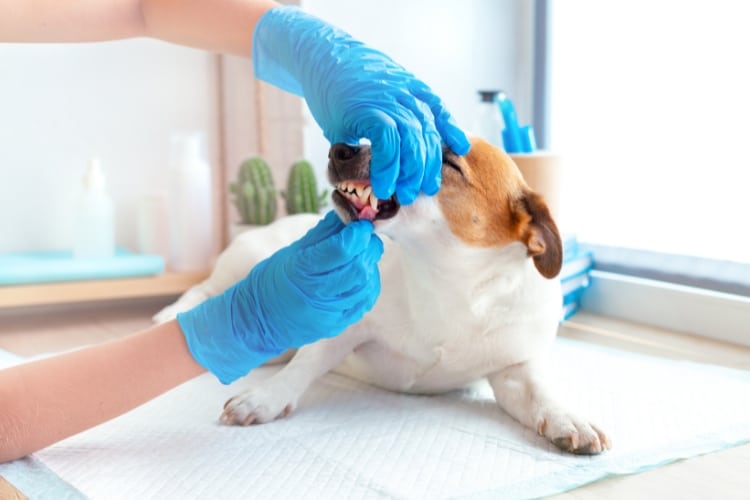
The veterinarian may examine the teeth, gums, tongue, and surrounding oral tissues. They may also look for damaged teeth, abnormal growths, gum inflammation, tartar accumulation, and other concerns.
Depending on the findings, your veterinarian may recommend additional dental procedures or diagnostic steps.
Professional dental treatment can address problems that cannot be effectively managed through brushing alone. Your veterinary team can explain the recommended approach based on your pet’s oral condition.
How Can You Support Your Pet’s Oral Health at Home?
Home dental routines can complement professional veterinary care.
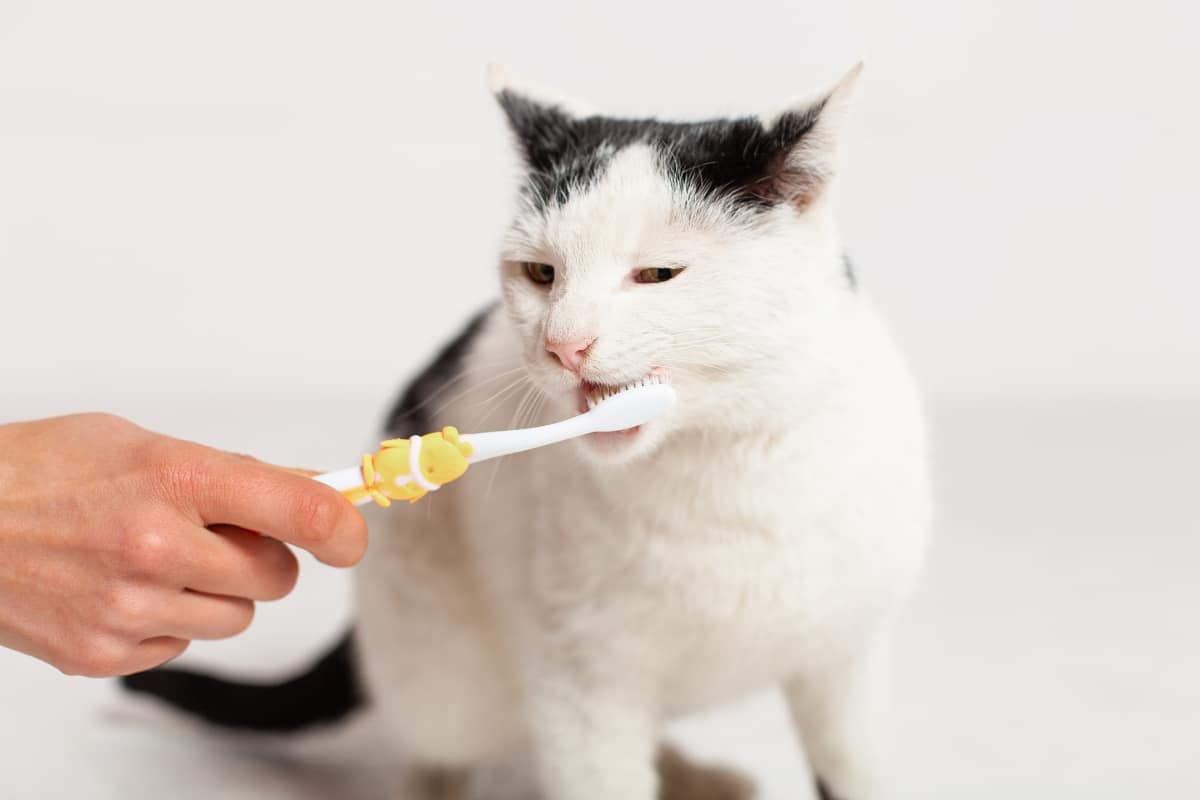
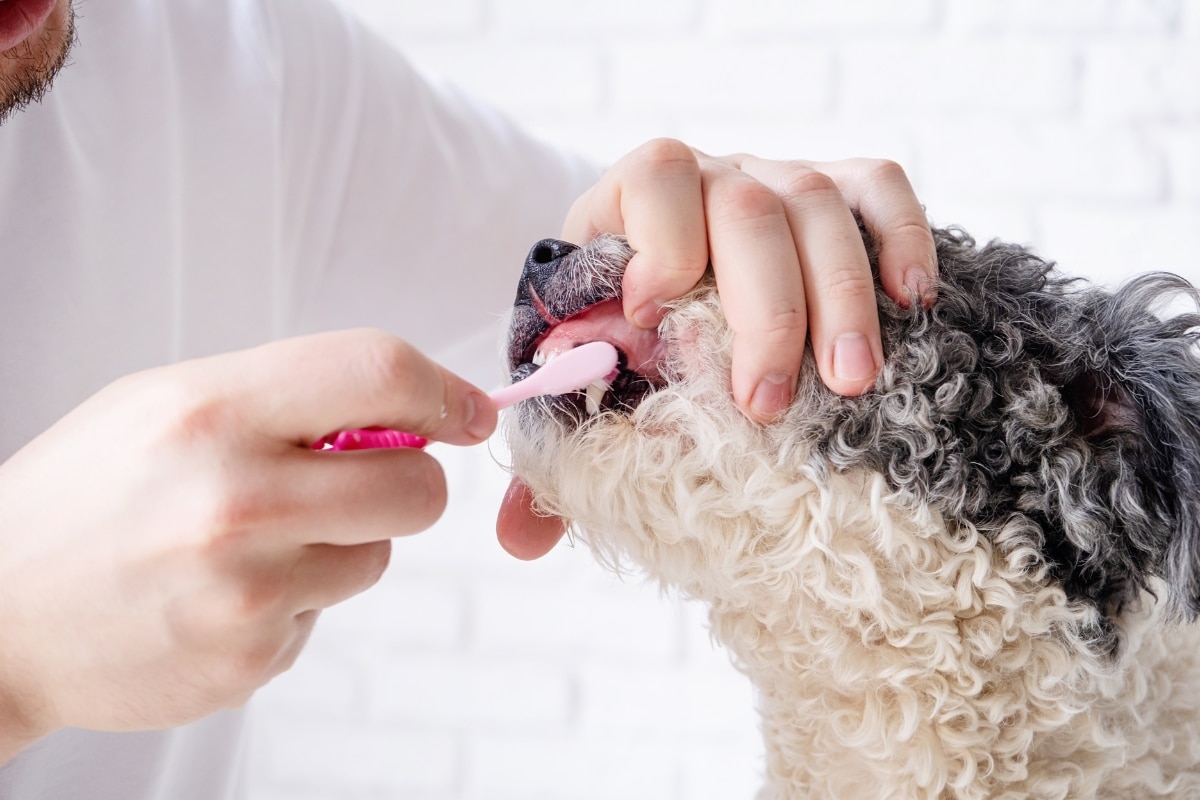
If your veterinarian recommends tooth brushing, introduce the process gradually. Start by allowing your pet to become comfortable with having their mouth and face handled. Then, gradually introduce a pet-specific toothbrush and toothpaste.
Never use human toothpaste unless your veterinarian specifically confirms that it is safe for your pet.
Dental diets, treats, chews, and other products may also help reduce plaque for some pets. However, not every product suits every animal. Ask your veterinary team before adding a new dental product to your pet’s routine.
Most importantly, make oral care consistent. Occasional brushing is less useful than a routine that you can maintain.
Why Professional Dental Care Still Matters
Home care is valuable, but it cannot replace professional veterinary examinations.
Plaque and bacteria can accumulate below the gumline, where owners cannot easily see or clean them. A veterinary dental procedure can provide a more thorough assessment and cleaning when needed.
Your veterinarian can also identify damaged teeth or other oral conditions that require treatment.
Combining home care with regular professional evaluations provides a stronger approach to maintaining oral health.
How TotalBond Veterinary Hospital at Davidson Can Help
TotalBond Veterinary Hospital at Davidson provides veterinary services that support your pet’s health throughout every stage of life. Dental evaluations can help identify oral concerns and provide recommendations based on your pet’s individual needs.
If your pet has persistent bad breath, difficulty chewing, excessive drooling, or changes in eating and behavior, discussing these signs with a veterinary professional can help determine whether an oral problem may be involved.
A consistent preventive approach can make it easier to identify dental concerns early and support your pet’s comfort over time.
Conclusion
Dental disease can affect far more than your pet’s teeth. Oral discomfort may influence eating, playing, grooming, behavior, and everyday interactions with family members. Since pets often hide pain, subtle changes can provide important clues that something is wrong.
Watch for persistent bad breath, red gums, chewing changes, excessive drooling, reduced interest in toys, or unusual behavior. Most importantly, do not wait for severe signs before discussing your pet’s oral health with a veterinarian.
If you’re in Mooresville and looking for pet dental care near you, schedule an appointment with TotalBond Veterinary Hospital at Davidson. Our veterinary team can evaluate your pet’s oral health and recommend appropriate steps to support comfortable eating, playing, and daily living.
FAQs
- What are the first signs of dental disease in pets?
Persistent bad breath, red gums, tartar buildup, excessive drooling, chewing changes, and reluctance to eat hard food can indicate dental disease. Behavioral changes may also occur when oral discomfort develops.
- Can dental disease make my pet stop eating?
Yes. Painful teeth, inflamed gums, and other oral problems can make chewing uncomfortable. Some pets may eat less, while others may continue eating but change how they chew.
- How often should my pet have a dental examination?
The appropriate frequency depends on your pet’s age, breed, oral health, and individual risk factors. Your veterinarian can recommend an examination schedule based on your companion’s needs.
- Can I brush my pet’s teeth at home?
Yes, many pets can benefit from regular tooth brushing with products specifically designed for animals. Introduce brushing gradually and ask your veterinarian for guidance on technique and suitable products.
- Is bad breath normal in dogs and cats?
Persistent strong breath odor should not be considered normal. It can indicate plaque, tartar, gum disease, or another oral problem. A veterinary examination can help determine the cause.
- Does TotalBond Veterinary Hospital at Davidson provide dental services for pets?
Yes. TotalBond Veterinary Hospital at Davidson can assess your pet’s oral health and discuss appropriate dental services and preventive recommendations based on your pet’s needs.