
Bringing a cat into your home means committing to a lifetime of love, comfort, and responsibility. While most pet owners focus on nutrition, vaccinations, and grooming, dental health often goes unnoticed. However, your cat’s oral hygiene plays a critical role in their overall well-being. Without proper attention, dental disease can silently progress and lead to serious health complications.
In fact, studies show that most cats over the age of three already show signs of periodontal disease. Because cats instinctively hide pain, many pet parents do not recognize dental issues until they become advanced. Therefore, proactive dental cleanings are not just cosmetic procedures — they are essential medical care.
For families who want to protect their feline companions and ensure long-term wellness, understanding the importance of professional dental services is key — especially for pet owners in Mooresville, NC.
Understanding Feline Dental Disease
First, it’s important to understand how dental disease develops. Plaque begins forming on your cat’s teeth within hours after eating. Over time, plaque hardens into tartar. If left untreated, bacteria move below the gumline, causing inflammation, infection, and even tooth loss.
More importantly, untreated oral infections can spread bacteria into the bloodstream. As a result, vital organs such as the heart, liver, and kidneys may become affected. This is why veterinarians strongly emphasize preventive dentistry as part of comprehensive wellness plans.
Professional cleanings remove tartar buildup and address problems before they escalate. Consequently, routine exams and dental procedures can significantly extend your cat’s life expectancy.
Signs Your Cat May Need a Dental Cleaning
Because cats rarely show obvious discomfort, you must watch for subtle warning signs. The earlier you identify symptoms, the easier it becomes to treat the issue.
Look for:
- Persistent bad breath
- Yellow or brown tartar buildup
- Red, swollen, or bleeding gums
- Difficulty chewing or dropping food
- Excessive drooling
- Pawing at the mouth
- Behavioral changes such as irritability or hiding
If you notice any of these symptoms, schedule a veterinary evaluation promptly. Early intervention prevents more invasive procedures later.
What Happens During a Professional Dental Cleaning?
Many pet owners wonder what actually occurs during a veterinary dental procedure. Understanding the process can ease concerns and highlight its importance.
At TotalBond Veterinary Hospital at Davidson, dental cleanings include:
1. Comprehensive Oral Examination
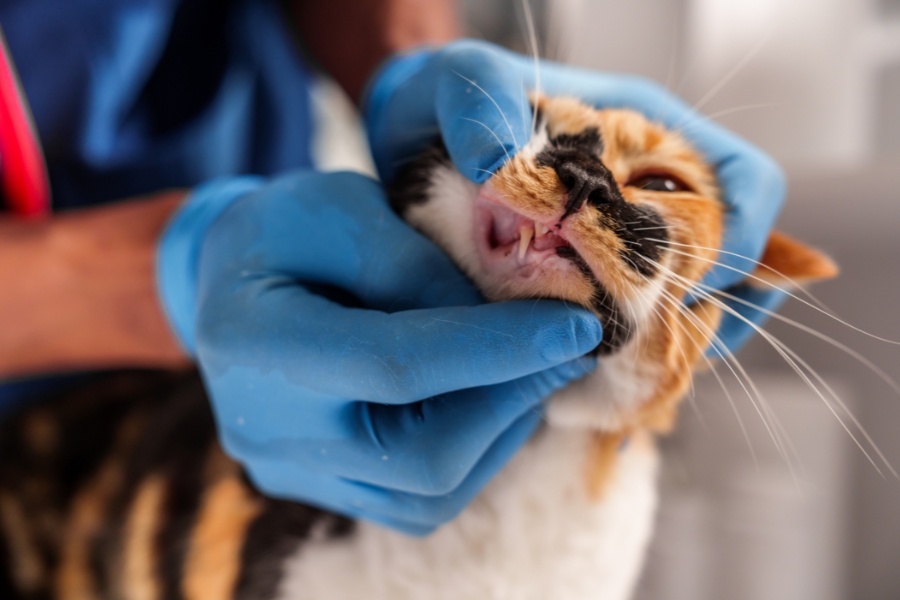
Your veterinarian carefully evaluates the teeth, gums, tongue, and oral tissues. Dental X-rays may also be taken to detect hidden issues beneath the gumline.
2. Ultrasonic Scaling
Next, specialized tools remove plaque and tartar both above and below the gumline. This step is crucial because bacteria often hide in areas that are not visible.
3. Polishing
After scaling, the teeth are polished to smooth the enamel surface. This reduces the likelihood of plaque reattaching quickly.
4. Treatment of Diseased Teeth
If necessary, damaged or infected teeth may be extracted to eliminate pain and prevent infection spread.
Although anesthesia is required for safety and precision, modern monitoring equipment ensures your cat remains stable throughout the procedure.
Why Routine Dental Cleanings Matter
Preventive dental care provides benefits far beyond a clean smile. In fact, it impacts nearly every system in your cat’s body.
Prevents Pain and Tooth Loss
Cats with untreated dental disease often suffer silently. Routine cleanings eliminate infection sources and preserve natural teeth.
Protects Vital Organs
When bacteria enter the bloodstream, they can damage internal organs. Therefore, maintaining oral health reduces systemic disease risks.
Improves Appetite and Behavior
A pain-free mouth encourages normal eating habits and improves mood. Many pet owners notice increased playfulness after dental treatment.
Saves Money Long-Term
Preventive procedures cost significantly less than emergency surgeries or advanced treatments for severe dental infections.
Because dental disease progresses gradually, consistent veterinary visits allow early detection and timely care.
The Role of At-Home Maintenance
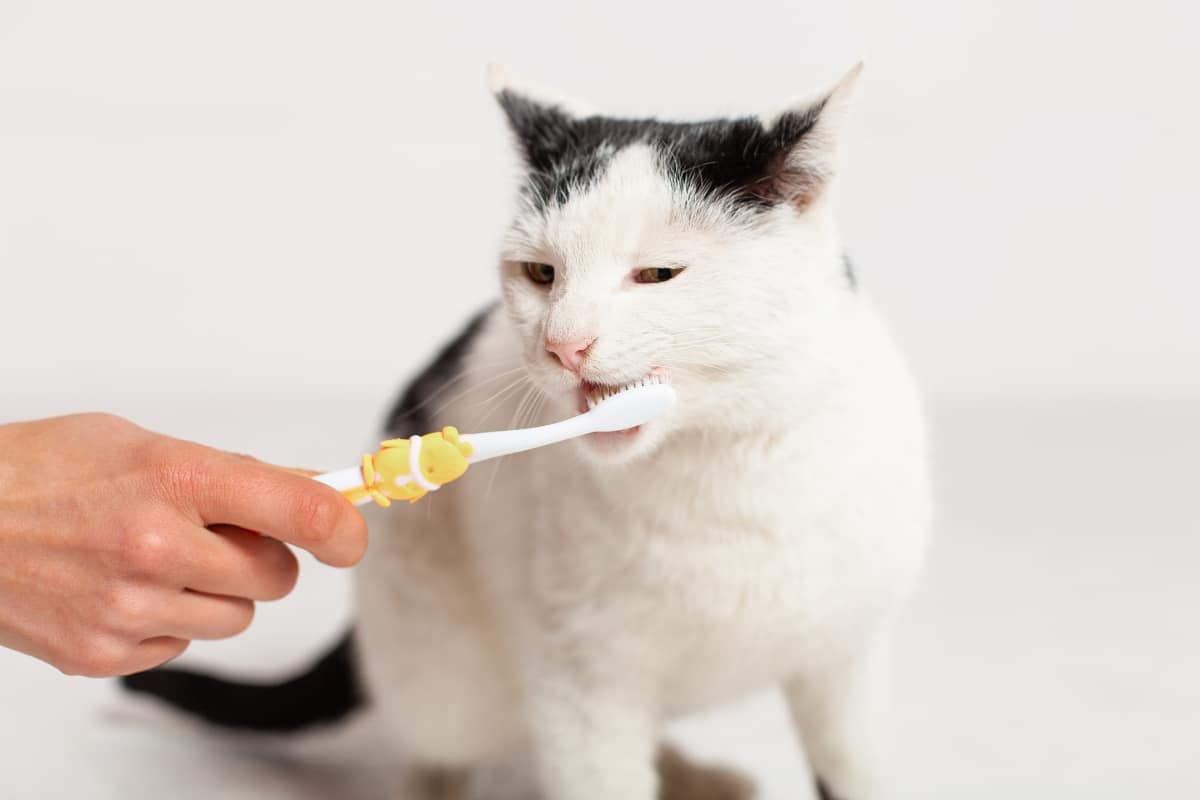
While professional cleanings are essential, daily home care strengthens long-term results. Ideally, pet parents should brush their cat’s teeth using veterinary-approved toothpaste. Start slowly and reward your cat with positive reinforcement.
Additionally, dental diets and approved treats can help reduce plaque buildup. However, these tools should supplement — not replace — professional cleanings.
When you combine at-home maintenance with veterinary services, you create a powerful defense against periodontal disease.
For many families prioritizing cat dental care, consistency remains the most effective strategy for preventing chronic oral conditions.
How Often Should Cats Have Dental Cleanings?
The frequency of cleanings depends on your cat’s age, breed, and overall health. Generally, most cats benefit from annual dental evaluations. Some may require more frequent procedures if they are prone to tartar accumulation.
Kittens and younger cats may not need immediate cleanings, but early exams establish a healthy baseline. Meanwhile, senior cats often require closer monitoring due to increased disease risk.
Your veterinarian will design a customized dental schedule based on your cat’s unique needs.
Why Choose TotalBond Veterinary Hospital at Davidson?
Choosing the right veterinary partner makes all the difference. At TotalBond Veterinary Hospital at Davidson, the team prioritizes preventive care and uses advanced dental technology to ensure safe, effective treatment.
Moreover, the hospital emphasizes patient comfort, thorough diagnostics, and personalized wellness plans. By addressing dental health proactively, they help cats live longer, healthier lives.
Local pet families appreciate having access to comprehensive feline services tailored to community needs. When you work with an experienced veterinary team, you gain peace of mind knowing your pet receives compassionate, expert attention.
Long-Term Benefits of Preventive Dentistry
When you invest in preventive dentistry, you protect more than your cat’s smile. You support whole-body health, reduce discomfort, and enhance daily quality of life.
Furthermore, early treatment prevents advanced periodontal disease, which often requires extractions or surgery. As a result, your cat avoids unnecessary stress and prolonged recovery periods.
By prioritizing professional cleanings and monitoring oral changes, you actively support lifelong wellness. Over time, this proactive approach strengthens the bond between you and your feline companion.
Consistent cat dental care also allows veterinarians to detect other health concerns during routine exams, adding another layer of protection.
Dental health is not optional — it is a vital component of your cat’s overall wellness. By investing in preventive cleanings, you reduce pain, protect internal organs, and extend your feline companion’s lifespan.
If you are in Mooresville and looking for a cat dental care, book an appointment with TotalBond Veterinary Hospital at Davidson. Our veterinary team is dedicated to providing compassionate, comprehensive dental services that keep your cat healthy and happy for years to come.
FAQs
Q1. How do I know if my cat has dental disease?
Ans. Bad breath, swollen gums, tartar buildup, and difficulty eating are common warning signs. However, because cats hide pain well, regular veterinary exams are essential for accurate diagnosis.
Q2. Is anesthesia safe for dental cleanings?
Ans. Yes. Modern veterinary anesthesia is carefully monitored using advanced equipment. Pre-anesthetic testing ensures your cat is healthy enough for the procedure.
Q3. Can I skip professional cleaning if I brush my cat’s teeth?
Ans. While brushing helps reduce plaque, it does not remove hardened tartar below the gumline. Professional cleanings remain necessary for thorough treatment.
Q4. How long does a dental cleaning take?
Ans. Most procedures take between one to two hours, depending on the severity of dental disease and whether extractions are required.
Q5. At what age should my cat start dental care?
Ans. Dental evaluations should begin during kittenhood. Early exams allow your veterinarian to detect abnormalities and establish preventive habits.
Q6. How often should my cat receive dental cleanings?
Ans. Most cats benefit from annual cleanings, though some may require more frequent visits depending on their oral health condition.