
As a loving pet owner, it’s heartbreaking to see your furry friend in pain. Whether your dog or cat is recovering from surgery, suffering from arthritis, or enduring a traumatic injury, managing pain is crucial to ensuring their comfort and overall health. Thankfully, veterinarians are equipped with various techniques and treatments to safely and effectively manage pain in pets. In this blog post, we’ll explore the different ways veterinarians help manage pain in dogs and cats, with a focus on the methods that promote healing and improve the quality of life for your pet.
At TotalBond Veterinary Hospital at Davidson, we understand how distressing it can be to see your pet in pain. That’s why we prioritize pain management in every aspect of treatment to help your furry companion heal comfortably and swiftly.
Why Is Pain Management Important for Pets?
Pain management is essential for the overall well-being of your pet. Untreated pain can lead to several complications, including:
- Decreased mobility: Chronic pain, especially in older animals with conditions like arthritis, can limit movement and impact your pet’s ability to perform everyday activities, such as walking, climbing stairs, or playing.
- Emotional distress: Just like humans, pets can experience emotional distress when in pain. They may become more anxious, irritable, or withdrawn, affecting their overall behavior.
- Slower recovery: Pain can hinder the healing process, especially after surgery or injury. Proper pain management allows your pet’s body to heal faster and more efficiently.
By addressing pain as soon as it arises, veterinarians can significantly improve your pet’s quality of life and speed up their recovery.
How Do Veterinarians Assess Pain in Dogs and Cats?
Pain in pets is often difficult to detect because, unlike humans, animals can’t express what they are feeling in words. Veterinarians rely on various techniques to assess pain, including:
- Observation of Behavior
Veterinarians look for subtle signs of pain, such as limping, reluctance to move, changes in appetite, or changes in grooming habits. Cats, in particular, may hide their pain, so it’s essential to monitor any changes in behavior. - Physical Exam
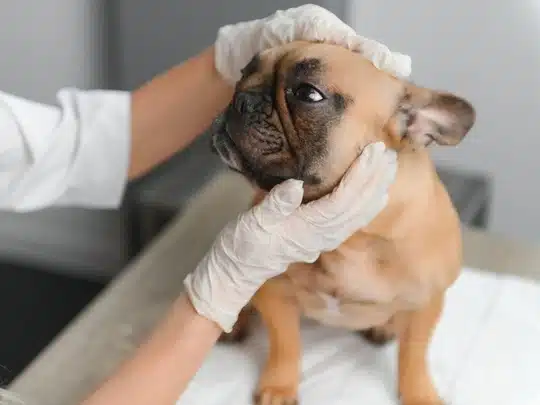
A thorough physical examination helps the veterinarian identify areas of discomfort. The vet may palpate (press gently) on your pet’s body to check for areas that trigger pain. They may also assess your pet’s posture, movement, and flexibility. - Diagnostic Tests
In some cases, additional tests like X-rays or blood work may be required to confirm the underlying cause of pain, such as fractures, joint issues, or infections.
Once the veterinarian has accurately assessed your pet’s pain, they will develop an appropriate treatment plan.
How Veterinarians Manage Pain in Dogs and Cats
There are several ways veterinarians manage pain in pets. The treatment plan depends on the cause of the pain, your pet’s age, breed, and overall health. Let’s explore some of the most common pain management strategies used by veterinarians:
1. Medications
One of the most common methods for managing pain in pets is through medications. These medications are often prescribed based on your pet’s condition and the severity of their pain. The main types of pain-relieving medications include:
- Non-Steroidal Anti-Inflammatory Drugs (NSAIDs): NSAIDs are commonly used to treat pain and inflammation in pets, particularly in cases of arthritis or soft tissue injuries. These medications help reduce inflammation and provide relief from both acute and chronic pain. However, they should only be administered under veterinary supervision to prevent side effects, especially in pets with underlying health conditions.
- Opioids: In more severe cases of pain, such as after surgery or injury, veterinarians may prescribe opioids like tramadol to provide strong pain relief. These medications are effective for controlling moderate to severe pain but are typically used for short periods due to the risk of dependence or side effects.
- Steroids: Steroids may be used for inflammatory conditions, like arthritis or allergies, to reduce swelling and alleviate pain. These are usually used cautiously, as long-term use can lead to side effects.
- Gabapentin: This medication is often prescribed for nerve pain or conditions like seizures. Gabapentin helps to block pain signals, providing relief for pets suffering from chronic pain.
- Local Anesthetics: For specific injuries or procedures, local anesthetics (like lidocaine) can be injected directly into the painful area to provide immediate relief.
2. Physical Therapy
Just like humans, pets can benefit from physical therapy after surgery, injury, or to manage chronic pain. Veterinarians may recommend various physical therapy treatments to help your pet recover and regain mobility, such as:
- Massage therapy: Gentle massage can help relax muscles, reduce stiffness, and increase blood flow to the affected area.
- Range-of-motion exercises: These exercises improve joint mobility and muscle strength, particularly in pets recovering from surgery or dealing with arthritis.
- Laser therapy: Low-level laser therapy (LLLT) is a non-invasive technique that uses light to stimulate the healing process and reduce pain and inflammation in injured or arthritic areas.
- Hydrotherapy: Underwater treadmills or swimming can help pets regain strength and mobility while reducing the impact on their joints.
These therapies are often combined with medications to create a comprehensive pain management plan.
3. Surgical Interventions
In some cases, surgery may be required to address the root cause of the pain. For example, if a pet is suffering from a ruptured disc, bone fracture, or torn ligament, surgery may be necessary to alleviate the pain and restore function. Once surgery is performed, veterinarians will manage post-operative pain with a combination of medications and physical therapy to ensure a smooth recovery.
4. Alternative Therapies
Alternative therapies are gaining popularity in veterinary medicine as effective ways to manage pain in pets. Some of the most commonly used alternative therapies include:
- Acupuncture: Acupuncture involves inserting thin needles into specific points on the body to stimulate healing and relieve pain. This therapy is often used for chronic pain management, especially in pets with arthritis or neurological conditions.
- Chiropractic Care: Chiropractic adjustments can help with musculoskeletal pain, improve mobility, and alleviate discomfort. It’s often used in conjunction with other therapies to improve your pet’s overall well-being.
5. Weight Management
Excess weight can put additional strain on your pet’s joints and muscles, especially for pets suffering from arthritis or hip dysplasia. Veterinarians often recommend a proper diet and regular exercise plan to help manage your pet’s weight and reduce the risk of joint pain and other related conditions. Maintaining a healthy weight can alleviate pressure on the joints and reduce the severity of pain in older pets.
Pain management is an essential aspect of veterinary care that can greatly enhance your pet’s quality of life. With advancements in veterinary medicine, there are now many safe and effective ways to manage pain in dogs and cats. Whether it’s through medication, physical therapy, surgery, or alternative therapies, your veterinarian will work with you to develop the best treatment plan for your furry friend.
If you’re in Mooresville, and looking for veterinarians near you, schedule an appointment with TotalBond Veterinary Hospital at Davidson. Our veterinary team is dedicated to providing the best care for your pet’s health and well-being, ensuring that they live a comfortable, happy life.
FAQs
Q1. How can I tell if my pet is in pain?
Ans. Common signs of pain in pets include limping, reluctance to move, changes in appetite, or excessive grooming. If you notice any of these signs, consult your veterinarian for an evaluation.
Q2. What are the most common pain management options for pets?
Ans. Pain management for pets can include medications like NSAIDs and opioids, physical therapy, acupuncture, and surgery when necessary.
Q3. Can pets take human pain medications?
Ans. No, human pain medications can be toxic to pets. Always consult a veterinarian before giving your pet any medication.
Q4. How long will my pet need pain management after surgery?
Ans. The duration of pain management depends on the type of surgery and your pet’s health. Your veterinarian will create a tailored plan and adjust it as needed.
Q5. Is acupuncture safe for pets?
Ans. Yes, acupuncture is a safe and effective alternative therapy for many pets, especially those with chronic pain or arthritis.
Q6. Can I manage my pet’s pain at home?
Ans. Some pain management options, such as weight management or exercise, can be done at home. However, always consult with your veterinarian before attempting any treatments at home.