
Dental health plays an important role in your pet’s overall well-being. While many pet owners focus on nutrition, exercise, and vaccinations, oral hygiene is often overlooked until visible problems appear. Plaque buildup, gum inflammation, and untreated dental disease can lead to pain, tooth loss, and even complications affecting major organs. Fortunately, consistent at-home dental care can help reduce these risks and support better long-term health for both dogs and cats.
At TotalBond Veterinary Hospital at Bethel, veterinarians regularly educate pet owners on the importance of maintaining healthy teeth and gums between professional dental visits. Establishing a routine at home can help prevent dental disease and improve your pet’s comfort and quality of life.
Dental problems often develop gradually, and pets may hide discomfort until conditions become more advanced. Early preventive care and routine oral hygiene can make a significant difference in reducing future dental complications. For pet owners in Lake Wylie, SC, understanding veterinarian-approved at-home dental care tips can help support healthier smiles and better wellness for pets of all ages.
Why Dental Care Matters for Pets
Dental disease is one of the most common health conditions seen in dogs and cats. Plaque and tartar buildup can cause inflammation around the gums, leading to periodontal disease and oral infections.
Poor oral health may contribute to:
- Bad breath
- Gum inflammation
- Pain while eating
- Tooth loss
- Bacterial infections
- Increased risk of heart, kidney, and liver complications
Routine dental care helps reduce plaque buildup and supports overall health.
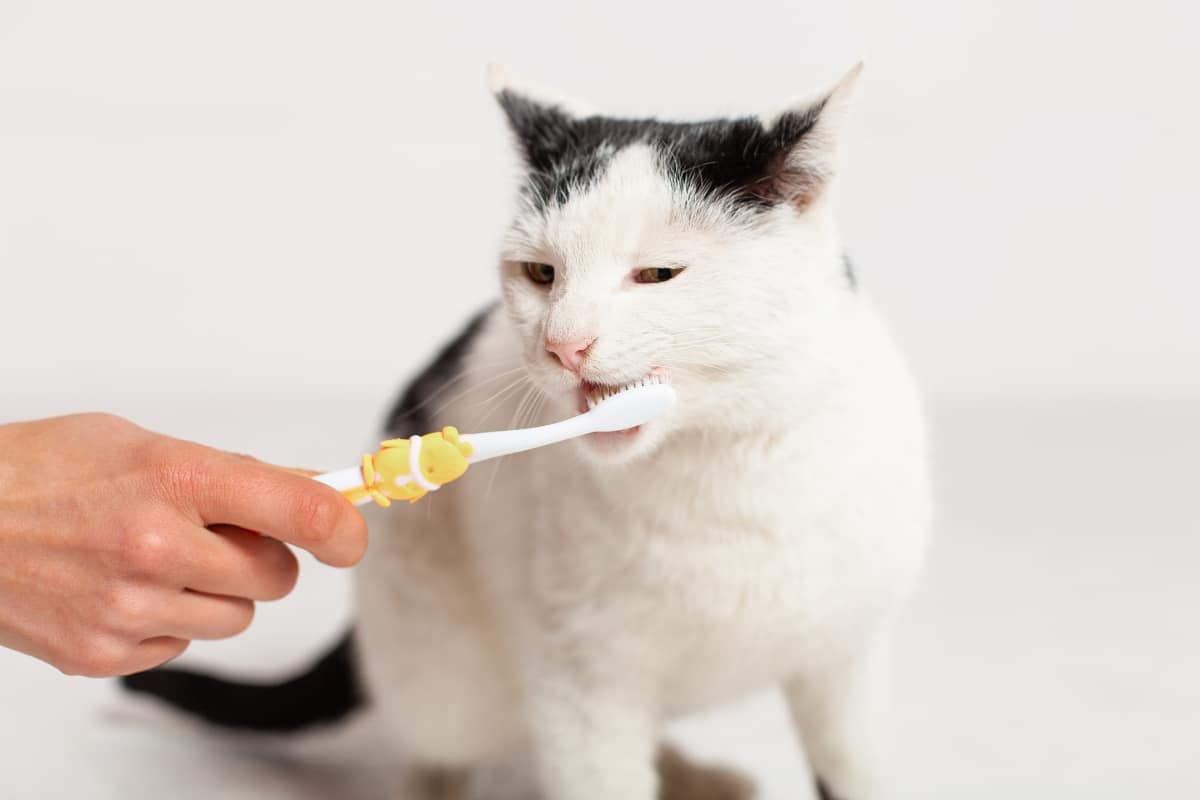
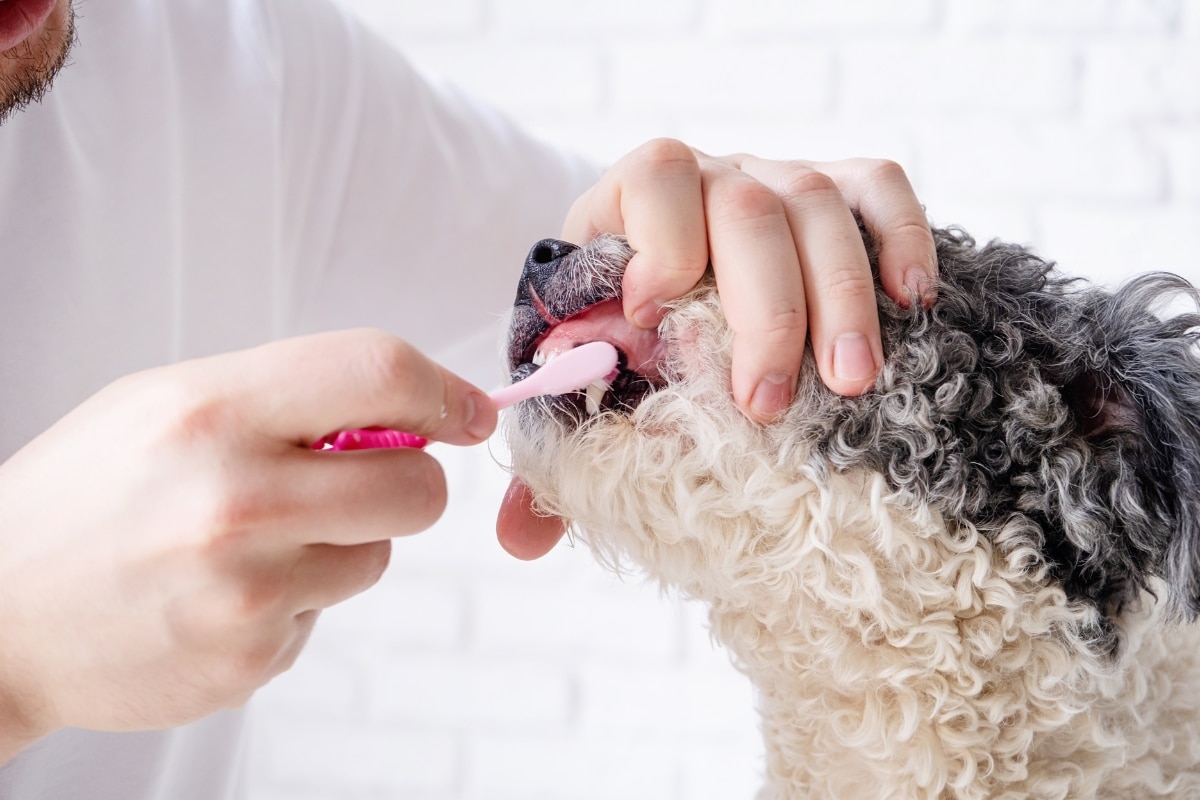
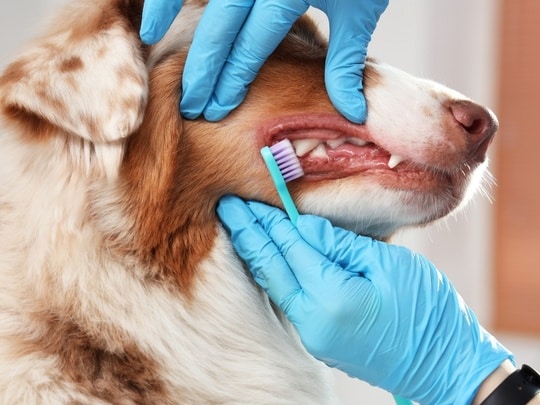
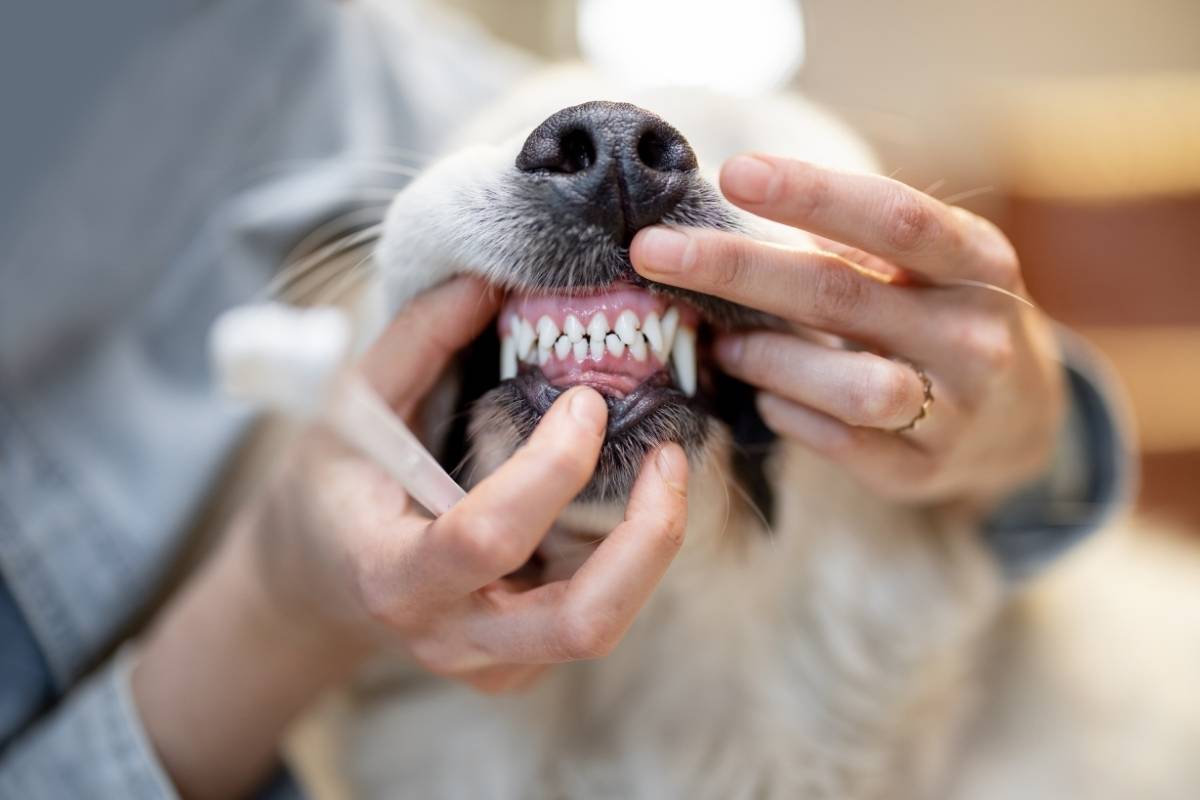
Brush Your Pet’s Teeth Regularly
Tooth brushing is one of the most effective ways to reduce plaque and bacteria in your pet’s mouth.
Tips for Safe Tooth Brushing:
- Use pet-safe toothpaste only
- Choose a soft-bristled toothbrush or finger brush
- Start slowly and use positive reinforcement
- Brush in gentle circular motions
- Focus on outer tooth surfaces near the gumline
Human toothpaste should never be used because it may contain ingredients harmful to pets.
Introduce Dental Care Gradually
Some pets may initially resist oral care routines. Introducing dental care slowly can help reduce stress and improve cooperation over time.
Helpful approaches include:
- Allowing pets to smell the toothbrush first
- Rewarding calm behavior with treats or praise
- Starting with short brushing sessions
- Gradually increasing brushing duration
Patience and consistency are important when building healthy habits.
Provide Veterinary-Approved Dental Chews
Dental chews can help reduce tartar accumulation and support healthier gums when used appropriately.
When selecting dental chews:
- Choose products designed specifically for pets
- Avoid excessively hard items that may damage teeth
- Monitor chewing to prevent choking hazards
Veterinarians can recommend dental products suited to your pet’s size, age, and chewing habits.
Use Dental Diets and Water Additives
Certain veterinary-approved diets are formulated to support oral health by helping reduce plaque buildup during chewing.
Water additives may also help:
- Reduce oral bacteria
- Improve breath odor
- Support gum health
These products should complement brushing rather than replace regular oral hygiene routines.
Watch for Signs of Dental Disease
Early detection is important because many pets continue eating even when experiencing dental pain.
Common Warning Signs Include:
- Bad breath
- Red or swollen gums
- Drooling
- Difficulty chewing
- Pawing at the mouth
- Loose or damaged teeth
- Reduced appetite
Pets showing these symptoms should be evaluated by a veterinarian promptly.
Schedule Routine Dental Exams
Professional dental evaluations help identify oral disease before it becomes severe. Veterinarians can assess gum health, tooth condition, and signs of infection that may not be visible at home.
Professional cleanings may include:
- Tartar removal
- Dental X-rays
- Tooth extractions if necessary
- Treatment for infections or inflammation
Routine pet dentistry examinations can help maintain healthier teeth and reduce the risk of advanced periodontal disease.
Avoid Unsafe Dental Products
Not all chew toys or treats are safe for dental health. Extremely hard objects may fracture teeth or injure gums.
Avoid giving pets:
- Cooked bones
- Hard plastic toys
- Ice cubes
- Antlers or very hard chews
Safe alternatives recommended by veterinarians can help protect teeth while still supporting healthy chewing behavior.
Nutrition and Oral Health
Balanced nutrition supports healthy teeth, gums, and immune function. Poor nutrition may contribute to inflammation and slower healing.
Pet owners can support oral health by:
- Feeding nutritionally balanced diets
- Avoiding excessive sugary treats
- Providing fresh water daily
- Maintaining healthy body weight
Proper nutrition works alongside home care and professional treatment to improve long-term dental wellness.
The Importance of Consistency
At-home dental care is most effective when performed consistently. Small daily habits can significantly reduce plaque buildup and improve oral comfort over time.
Even simple steps such as:
- Brushing several times weekly
- Monitoring for oral changes
- Providing safe dental chews
- Scheduling routine exams
can help support healthier teeth and gums throughout your pet’s life.
Routine pet dentistry care combined with professional cleanings offers the best protection against long-term dental disease.
Supporting Better Oral Health for Pets
Maintaining your pet’s oral health at home can help reduce discomfort, prevent dental disease, and support overall wellness. Early prevention and regular monitoring often lead to better long-term outcomes and improved quality of life for pets.
If you’re in Lake Wylie, SC and need guidance from a veterinarian near you on maintaining your pet’s oral health, TotalBond Veterinary Hospital at Bethel provides dental evaluations, preventive care, and personalized treatment recommendations for dogs and cats. Our team can help you establish healthy at-home dental routines and identify early signs of oral disease. Schedule your appointment today to receive personalized care tailored to your pet’s unique dental health needs.
FAQs
Q1. How often should I brush my pet’s teeth?
Ans. Most veterinarians recommend brushing your pet’s teeth several times weekly to help reduce plaque buildup and support healthier gums and teeth.
Q2. Can dental disease affect my pet’s overall health?
Ans. Yes. Untreated dental disease may contribute to infections, pain, tooth loss, and complications affecting the heart, kidneys, and liver.
Q3. Are dental chews safe for pets?
Ans. Veterinary-approved dental chews can support oral health, but extremely hard products may damage teeth or create choking risks in some pets.
Q4. What are signs of dental disease in pets?
Ans. Common signs include bad breath, swollen gums, drooling, difficulty chewing, loose teeth, reduced appetite, and pawing at the mouth.
Q5. Do cats need dental care at home too?
Ans. Yes. Cats can also develop plaque buildup, gum disease, and oral infections that benefit from regular at-home dental care routines.
Q6. How often should pets receive professional dental cleanings?
Ans. Dental cleaning frequency depends on your pet’s age, breed, and oral health condition, but many pets benefit from annual evaluations.