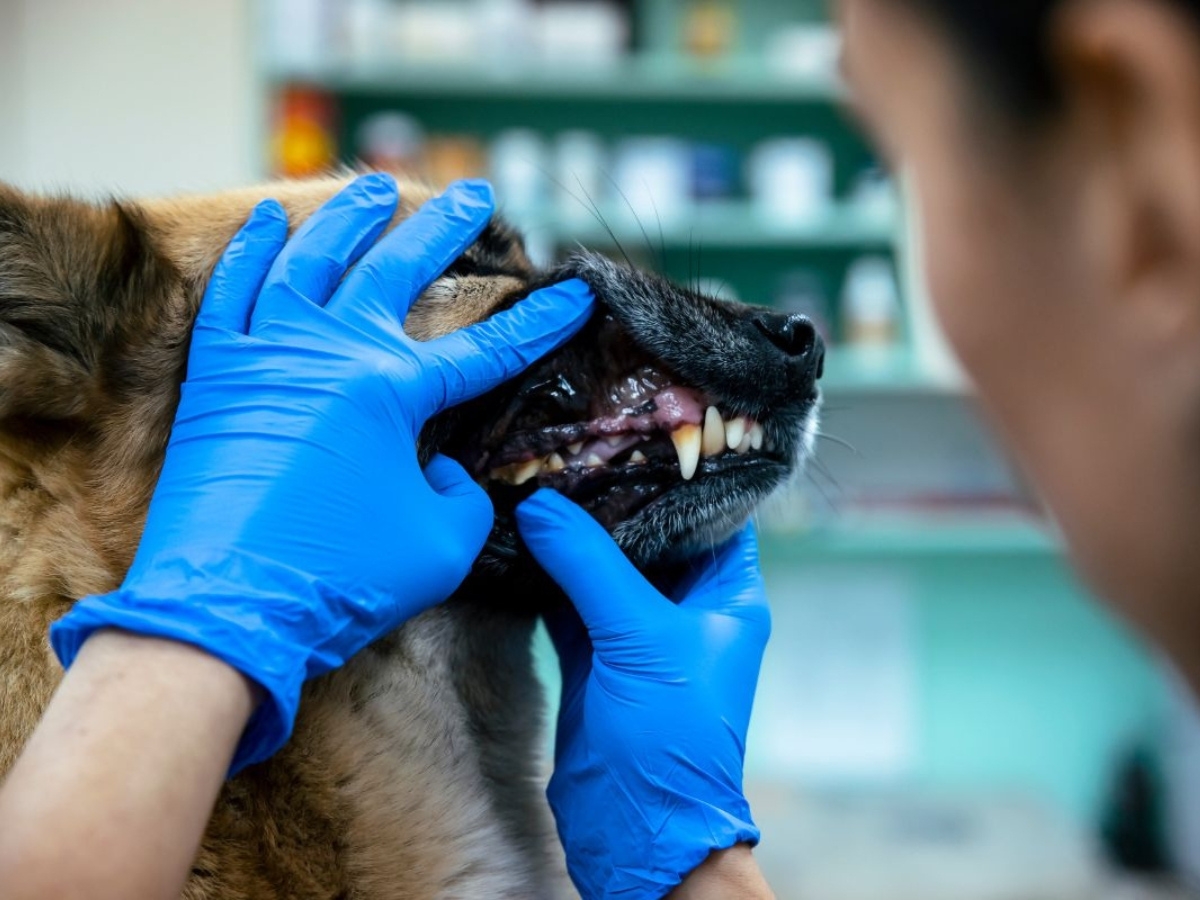
Your pet may seem perfectly healthy today, but their needs can change as they grow older. A playful puppy may develop joint problems later in life, while a healthy adult cat may gradually show signs of dental disease or weight changes. Regular veterinary visits offer an opportunity to identify concerns early, discuss your pet’s changing needs, and make decisions that support their health throughout life.
Many pet owners wonder what they should discuss during veterinary appointments beyond vaccinations and routine examinations. This guide is especially helpful for pet parents in Mooresville who want to understand which questions to ask their veterinarian. Knowing what to discuss can help you make informed decisions about preventive care, nutrition, medical screenings, and your pet’s overall quality of life.
Why Asking Your Veterinarian Questions Matters
Veterinary appointments should involve more than examining your pet and reviewing vaccination records. They provide an opportunity to discuss health concerns, understand potential risks, and plan for your pet’s future needs.
Dogs and cats cannot explain when something feels wrong. Some health problems develop gradually, with symptoms becoming noticeable only after a condition has progressed.
Asking thoughtful questions helps you:
- Understand your pet’s current health and potential risks.
- Recognize behavioral or physical changes that require attention.
- Make informed decisions about vaccinations and preventive screenings.
- Maintain healthy nutrition, weight, and exercise habits.
- Prepare for age-related medical needs.
Your veterinarian can also explain which recommendations apply specifically to your pet’s breed, age, lifestyle, and medical history.
10 Important Questions to Ask Your Veterinarian
The following questions can help you get more useful information from your pet’s next veterinary appointment.
1. How Often Should My Pet Have Checkups?
Most healthy adult dogs and cats benefit from a veterinary examination at least once a year. Puppies, kittens, senior pets, and animals with ongoing medical conditions may need more frequent visits.
Ask your veterinarian whether your pet’s current examination schedule is appropriate.
You should also discuss whether additional appointments are necessary because of breed-related risks, previous illnesses, or changes in behavior.
Regular examinations help establish a record of your pet’s health, making it easier to recognize changes over time.
2. Which Health Problems Could Affect My Pet?
Certain breeds have a higher risk of developing specific medical conditions. However, age, genetics, weight, and lifestyle also influence long-term health.
For example, some larger dog breeds are more prone to orthopedic problems, while certain cats may develop hereditary heart conditions.
Ask your veterinarian about conditions associated with your pet’s breed or medical history.
Understanding these risks can help you recognize warning signs and determine whether preventive screenings would be beneficial.
3. Are My Pet’s Vaccinations Currently Up to Date?
Vaccinations protect pets against several infectious diseases, but vaccination requirements vary depending on their age, health, and exposure risks.
Ask your veterinarian which vaccines your pet needs and when boosters are due.
Important topics include:
- Core vaccines recommended for your pet’s species.
- Lifestyle-based vaccines for pets with increased exposure risks.
- Rabies vaccination requirements in North Carolina.
- Vaccination considerations for pets with specific health conditions.
Your veterinarian can recommend an appropriate vaccination schedule based on current veterinary guidelines.
4. Is My Pet Maintaining a Healthy Weight?
Weight changes can affect your pet’s mobility, comfort, and overall health. Excess body weight increases the risk of problems such as arthritis and diabetes. Unexplained weight loss may also indicate an underlying medical condition. Ask your veterinarian to evaluate your pet’s body condition score and nutritional needs.
Discuss daily food portions, treats, activity levels, and whether your pet’s current diet supports their age and health. Small adjustments to feeding routines can make a meaningful difference over time.
5. What Preventive Screenings Does My Pet Need?
Not every medical condition produces noticeable symptoms during its early stages. Veterinary screening tests may help identify certain health concerns before they begin affecting your pet’s daily activities.
When searching for a veterinarian near me, consider whether the veterinary practice offers diagnostic services alongside routine wellness care.
Ask about screenings such as:
- Blood tests to evaluate organ function and other health indicators.
- Urinalysis to assess urinary and kidney health.
- Fecal examinations to check for intestinal parasites.
- Heartworm testing when appropriate.
- Blood pressure monitoring for pets with relevant risk factors.
Your veterinarian can explain which tests are appropriate and how frequently they should occur.
6. How Can I Protect My Pet’s Dental Health?
Dental disease affects many adult dogs and cats. Without proper care, oral problems can cause pain, infection, and difficulty eating. Ask your veterinarian whether your pet shows signs of plaque buildup, gum inflammation, or damaged teeth.
You should also discuss home dental care and whether professional dental cleaning is recommended. Brushing with pet-safe toothpaste and using veterinarian-recommended dental products can help maintain oral hygiene between appointments.
7. What Parasite Prevention Does My Pet Need?
Fleas, ticks, heartworms, and intestinal parasites can affect pets throughout different stages of life. North Carolina’s climate can support parasite activity during much of the year, making prevention an important discussion for local pet owners.
Ask which parasite preventives suit your pet’s lifestyle and medical history. Your veterinarian can explain dosing schedules, testing recommendations, and precautions for pets that spend time outdoors or interact with other animals.
8. How Will My Pet’s Needs Change With Age?
Aging affects pets differently depending on their species, breed, size, and general health. Senior pets may experience reduced mobility, changes in appetite, dental problems, or chronic medical conditions.
Ask your veterinarian when your pet should begin receiving age-focused veterinary care. Discuss whether additional examinations, diagnostic tests, nutritional changes, or pain management options may become necessary. Early attention to age-related concerns can help maintain comfort and independence.
9. Which Behavioral Changes Should Concern Me?
Behavioral changes sometimes indicate medical problems rather than training issues or normal aging.
A dog that suddenly avoids stairs may be experiencing joint discomfort. A cat that stops using the litter box may have a urinary problem or another medical concern.
Ask your veterinarian about symptoms that deserve attention, including:
- Unexplained aggression or unusual withdrawal.
- Increased thirst or changes in urination.
- Reduced appetite or unexpected weight changes.
- Changes in sleeping patterns or activity levels.
- Persistent coughing, vomiting, or digestive problems.
Sudden severe symptoms require prompt veterinary attention rather than waiting for a routine examination.
10. How Can I Support My Pet’s Future Health?
Long-term health depends on consistent veterinary care and healthy habits at home. Your veterinarian can recommend changes based on your pet’s current condition and future health risks. Discuss appropriate exercise, mental stimulation, nutrition, dental hygiene, and preventive treatments.
You can also ask which changes to monitor between appointments and when to arrange follow-up care. A practical health plan should evolve as your pet’s medical needs change.
How to Prepare for Veterinary Appointments
Preparing a few details before your appointment can make discussions more productive. If you recently searched for a veterinarian near me because of a new concern, write down when the symptoms began and how frequently they occur.
Bring relevant information, including:
- Current medications, supplements, and parasite preventives.
- Recent changes in eating, drinking, or bathroom habits.
- Previous medical records when visiting a new veterinary practice.
- Questions about vaccinations, dental health, or nutritional needs.
- Photos or videos of unusual behavior that may not occur during the examination.
Keeping a simple record of your pet’s daily habits can help your veterinarian understand changes that might otherwise go unnoticed.
Build a Healthier Future for Your Pet
Your pet’s long-term health depends on the choices made throughout their life. Asking the right questions helps you recognize potential problems, understand preventive recommendations, and provide better daily care.
At TotalBond Veterinary Hospital at Davidson, we understand how much your pet means to your family. Our veterinary practice provides wellness care, diagnostic services, dental care, pain management, and age-related veterinary support to address changing health needs.
If you live in Mooresville or nearby communities, contact our veterinary hospital today or request an appointment online. Our vets are here to answer your questions, evaluate your pet’s health, and help you make informed decisions that support a longer, healthier, and more comfortable life.
Frequently Asked Questions
1. What should I ask during my pet’s annual veterinary examination?
Ask about your pet’s weight, dental health, vaccinations, parasite prevention, and recommended screenings. You should also discuss changes in behavior, appetite, or mobility. Your veterinarian can explain which findings need attention and suggest appropriate follow-up care.
2. Can TotalBond Veterinary Hospital at Davidson help with my pet’s long-term health?
Yes. At TotalBond Veterinary Hospital at Davidson, we provide preventive care, diagnostic services, dentistry, and senior pet care. Our vets evaluate individual health concerns and recommend appropriate care based on each pet’s age, lifestyle, medical history, and examination findings.
3. How often should senior pets visit a veterinarian?
Many senior dogs and cats benefit from examinations approximately every six months. However, recommendations depend on their health and existing medical conditions. More frequent monitoring may help identify age-related changes and support timely treatment when problems develop.
4. Does TotalBond Veterinary Hospital at Davidson offer preventive screenings in Mooresville?
Yes. TotalBond Veterinary Hospital at Davidson provides preventive care and diagnostic services to help monitor pets’ health. Our veterinary team can discuss appropriate testing based on your pet’s age, symptoms, medical history, and individual risk factors.
5. What signs suggest my pet needs immediate veterinary attention?
Difficulty breathing, collapse, seizures, severe injuries, and repeated unproductive attempts to vomit require immediate veterinary attention. Other concerning symptoms include sudden weakness and an inability to urinate. Contact a veterinarian promptly rather than waiting for a routine appointment.
6. Can TotalBond Veterinary Hospital at Davidson help create a health plan for my aging pet?
Yes. At TotalBond Veterinary Hospital at Davidson, our vets provide senior pet care and evaluate age-related health concerns. We can discuss appropriate examinations, diagnostic testing, nutrition, mobility, and pain management options to help support your pet’s comfort and everyday activities.