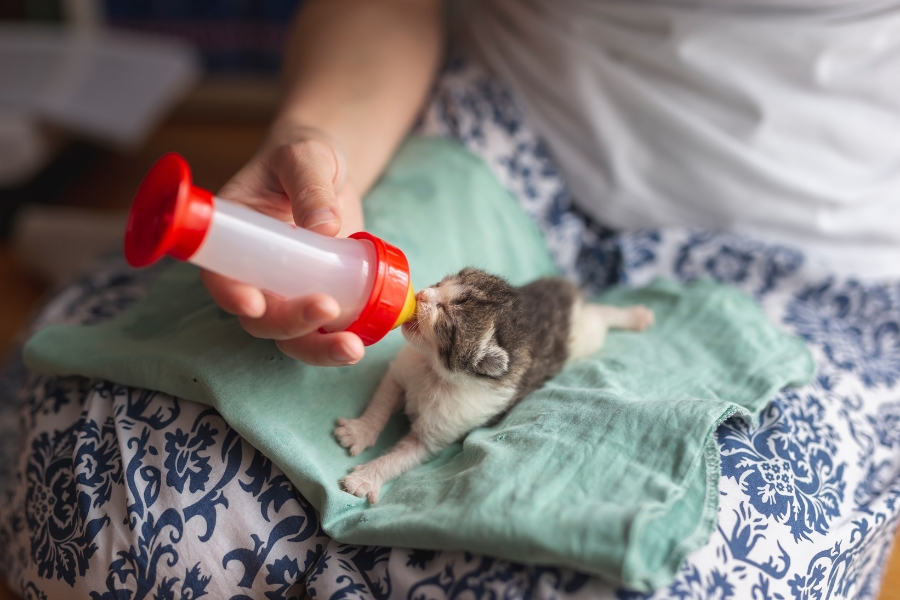


Bringing a new kitten into your home is an exciting milestone filled with joy, curiosity, and plenty of adorable moments. However, along with the excitement comes responsibility. A new environment can feel overwhelming for a kitten, especially during the early days. That’s where the 3-3-3 Rule for kittens becomes incredibly helpful.
This simple yet effective guideline helps new pet owners understand how kittens typically adjust to a new home over time. By knowing what to expect during each phase, you can respond with patience, confidence, and compassion. As a result, you help your kitten feel safe, secure, and loved from day one. This guide is especially helpful for families welcoming kittens into homes in Mooresville, NC, where many first-time pet parents want to give their new companions the best possible start.
What Is the 3-3-3 Rule for Kittens?
The 3-3-3 Rule describes three distinct stages of adjustment that most kittens go through after moving into a new home:
- First 3 Days: Feeling overwhelmed and unsure
- First 3 Weeks: Learning routines and building trust
- First 3 Months: Feeling fully comfortable and confident
Although every kitten is unique, this rule offers a realistic timeline that helps manage expectations. More importantly, it reminds pet parents that adjustment takes time and consistency.
Stage One: The First 3 Days – Feeling Overwhelmed
During the first three days, your kitten is processing a major life change. New smells, unfamiliar sounds, and different people can feel intimidating. Therefore, it’s completely normal for your kitten to appear shy or withdrawn.
What You May Notice
- Hiding under furniture or in quiet corners
- Reduced appetite or hesitation to drink water
- Minimal interaction or cautious behavior
How You Can Help
Start by setting up a quiet, cozy space before your kitten arrives. This area should include food, water, a litter box, and a soft bed. Additionally, avoid loud noises and sudden movements. Speak gently and allow your kitten to approach you at their own pace.
Most importantly, resist the urge to force affection. While it’s tempting to cuddle right away, patience during these first few days builds trust that lasts.
Stage Two: The First 3 Weeks – Building Trust and Routine
As the days pass, your kitten will slowly begin to relax. During the next three weeks, curiosity starts to replace fear. At this stage, your kitten begins learning what life in your home looks like.
What You May Notice
- Increased exploration of rooms
- Playful behavior and bursts of energy
- Growing interest in interacting with you
How You Can Help
Now is the perfect time to establish routines. Feed your kitten at consistent times, schedule daily play sessions, and maintain a clean litter box. These habits help your kitten feel secure.
Playtime, in particular, is essential. Interactive toys not only burn energy but also strengthen your bond. Gentle handling and positive reinforcement further encourage trust. This phase is also ideal for introducing basic grooming and gentle handling as part of early kitten care.
Stage Three: The First 3 Months – Feeling at Home
By the three-month mark, most kittens feel completely at ease. They recognize familiar voices, understand daily routines, and show affection openly. At this stage, your kitten truly becomes part of the family.
What You May Notice
- Confident movement throughout the home
- Strong bonding behaviors like following you around
- Increased comfort with visitors and household noises
How You Can Help
Continue reinforcing positive behaviors. Maintain routines, provide mental stimulation, and encourage healthy play. Gradually expose your kitten to new experiences so they grow into a confident adult cat.
This stage is also a great time to discuss long-term wellness plans with your veterinarian, including nutrition, vaccinations, and preventive care.
Why the 3-3-3 Rule Matters for New Pet Owners
Understanding the 3-3-3 Rule prevents unrealistic expectations. Without it, some pet owners worry unnecessarily when a kitten hides or refuses food during the first few days. However, this behavior is completely normal.
By following this rule, you respond with empathy instead of frustration. You also create a calm environment that supports emotional and physical well-being. In the long run, this foundation supports healthy development and positive behavior.
Tips to Support a Smooth Kitten Transition
Although the 3-3-3 Rule offers a great framework, a few additional steps can make the transition even smoother.
Schedule a Veterinary Visit Early
A veterinary checkup within the first week ensures your kitten is healthy and up to date on vaccinations. It also gives you a chance to ask questions and receive personalized guidance.
Kitten-Proof Your Home
Secure loose cords, remove toxic plants, and block off unsafe spaces. A safe environment allows your kitten to explore confidently.
Encourage Mental Stimulation
Climbing trees, puzzle feeders, and interactive toys keep your kitten engaged and prevent boredom-related behaviors.
Maintain Consistency
Consistency builds confidence. From feeding times to play routines, predictable schedules help kittens feel safe.
These steps, combined with attentive kitten care, help your new companion adjust smoothly and thrive.
Common Mistakes to Avoid During the Adjustment Period
Even well-meaning pet parents sometimes make mistakes early on. Avoid rushing introductions to other pets, forcing interactions, or changing routines too frequently. Additionally, avoid punishment-based training, as it can damage trust.
Instead, focus on patience, positive reinforcement, and gentle guidance. Over time, your kitten will respond with affection and confidence.
The 3-3-3 Rule offers a simple yet powerful way to understand your kitten’s emotional and behavioral adjustment after coming home. By recognizing what your kitten needs during the first three days, three weeks, and three months, you can respond with patience instead of worry. This thoughtful approach helps reduce stress, strengthens trust, and supports healthy development as your kitten settles into their new life.
Every kitten adjusts at their own pace, but consistency, gentle care, and realistic expectations make a lasting difference. When you follow the 3-3-3 Rule, you create a calm environment where your kitten can grow into a confident, affectionate companion.
If you are in Mooresville, NC and need guidance related to kitten care, book an appointment with TotalBond Veterinary Hospital at Davidson. Our experienced veterinary team is here to support your kitten’s health and well-being from the very beginning.
FAQs
Q1. What is the 3-3-3 Rule for kittens?
Ans. The 3-3-3 Rule explains the typical adjustment timeline for kittens in a new home: the first 3 days focus on decompression, the first 3 weeks on building trust, and the first 3 months on full comfort and confidence.
Q2. Is the 3-3-3 Rule the same for every kitten?
Ans. No, every kitten is unique. While the 3-3-3 Rule offers a helpful guideline, some kittens may adjust faster or slower depending on their personality, background, and environment.
Q3. Should I interact with my kitten during the first 3 days?
Ans. Yes, but interactions should be calm and gentle. Allow your kitten to approach you at their own pace instead of forcing contact during the initial adjustment period.
Q4. Why does my kitten hide so much at first?
Ans. Hiding is a natural stress response. It helps kittens feel safe while they process new sights, sounds, and smells in an unfamiliar environment.
Q5. When should I start training my kitten?
Ans. Light training, such as litter box habits and gentle handling, can begin during the first few weeks. More structured routines usually work best once your kitten feels secure.
Q6. When should my kitten have their first veterinary visit?
Ans. A veterinary visit should be scheduled within the first week of bringing your kitten home to ensure proper health checks, vaccinations, and early guidance.