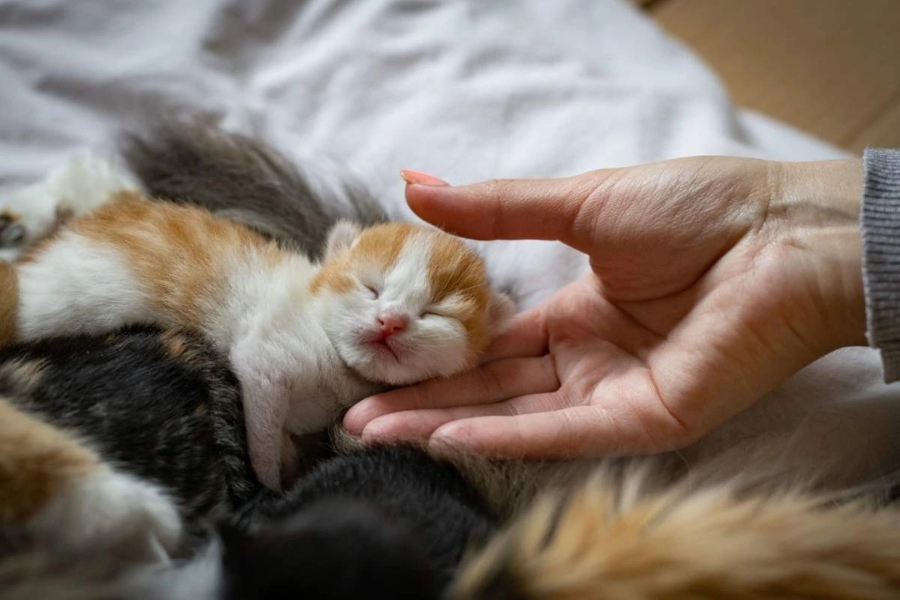

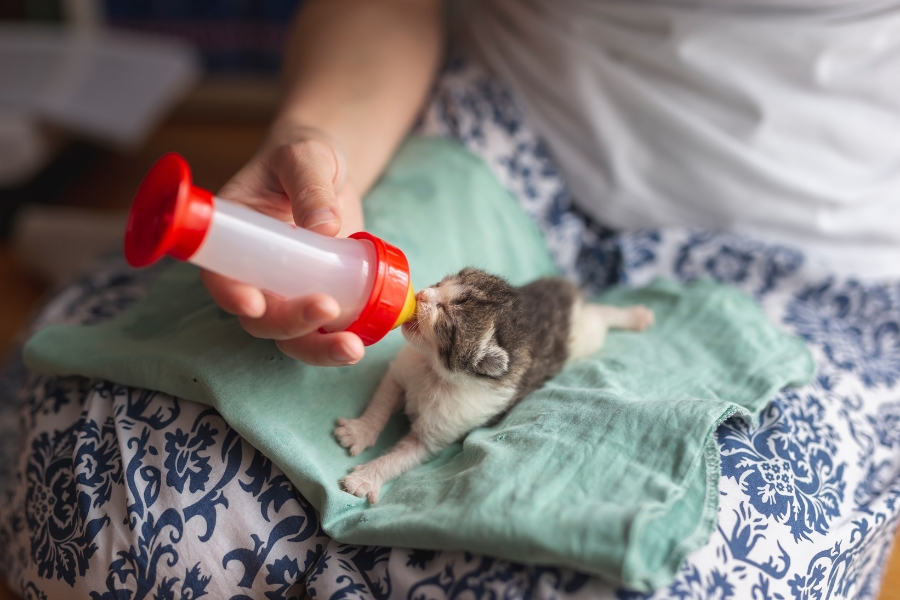
Bringing home a new kitten is an exciting experience filled with playful moments, cuddles, and new responsibilities. While kittens are curious and energetic, they also require proper attention, nutrition, and medical support to grow into healthy adult cats. Understanding their needs early helps create a safe and loving environment while preventing future health and behavioral concerns.
New pet owners often have many questions about feeding schedules, litter box training, vaccinations, grooming, and socialization. Fortunately, with the right guidance and routine, caring for a kitten becomes both manageable and rewarding. Establishing healthy habits from the beginning supports long-term wellness and helps kittens feel secure in their new home. For families in Mooresville, learning the basics of responsible pet ownership can help ensure a smooth transition for both pets and owners alike.
Prepare Your Home Before Bringing a Kitten Home
Before your kitten arrives, it is important to create a safe and comfortable environment. Kittens love to explore, climb, and investigate unfamiliar spaces. Therefore, preparing your home ahead of time can help prevent accidents and reduce stress.
Start by kitten-proofing the area:
- Remove toxic plants
- Hide electrical cords
- Secure cleaning products
- Store medications safely
- Keep small objects out of reach
Next, set up essential supplies, including:
- Food and water bowls
- A litter box
- Kitten food
- Scratching posts
- Soft bedding
- Safe toys
- A pet carrier
Designating a quiet area for the first few days also helps kittens adjust gradually to their surroundings.
Feed a Balanced Diet for Healthy Growth
Proper nutrition plays a critical role in your kitten’s development. Because kittens grow rapidly, they require a diet specifically formulated to support healthy bones, muscles, and immune function.
Choose high-quality kitten food that contains:
- Adequate protein
- Healthy fats
- Essential vitamins
- Balanced minerals
Young kittens typically need smaller meals several times throughout the day. As they grow, feeding schedules can gradually transition to fewer meals.
Fresh water should always remain available. Additionally, avoid feeding kittens table scraps or foods that may upset their digestive system.
Your veterinarian can recommend the best nutritional plan based on your kitten’s breed, size, and health needs.
Schedule Veterinary Visits Early
One of the most important steps in responsible kitten care is scheduling an early veterinary appointment. Initial exams help ensure your kitten is healthy while establishing a preventive healthcare plan.
During the first veterinary visit, your veterinarian may:
- Perform a complete physical exam
- Check for parasites
- Discuss vaccinations
- Recommend flea and tick prevention
- Review nutrition and feeding habits
- Discuss spaying or neutering timelines
Routine veterinary care supports healthy growth while helping identify concerns before they become serious.
Vaccinations are especially important because kittens are vulnerable to contagious diseases during their early months of life.
Understand Your Kitten’s Vaccination Schedule
Kittens require a series of vaccinations to build immunity against dangerous illnesses. Since maternal antibodies fade over time, multiple vaccine boosters help strengthen protection during development.
Core vaccines often protect against:
- Feline panleukopenia
- Calicivirus
- Herpesvirus
- Rabies
Your veterinarian will create a personalized vaccination schedule based on your kitten’s age, health status, and lifestyle.
Keeping vaccines current helps protect both your kitten and other animals in the community.
Introduce the Litter Box Properly
Most kittens naturally learn to use a litter box quickly, but proper setup makes training easier.
To encourage good litter habits:
- Place the litter box in a quiet location
- Keep it away from food and water
- Use unscented litter initially
- Scoop waste daily
- Avoid sudden litter changes
After meals or naps, gently place your kitten in the litter box to help reinforce the routine.
If accidents occur, avoid punishment. Instead, clean the area thoroughly and continue encouraging positive habits.
Socialization Is Essential During Early Development
Kittens learn important social behaviors during their first few months of life. Positive experiences with people, sounds, and environments help them become confident adult cats.
Gradually introduce your kitten to:
- Family members
- Gentle handling
- Household noises
- New environments
- Grooming routines
Short, positive interactions help build trust and reduce fear later in life.
If you have other pets, introductions should occur slowly and under supervision to prevent stress or territorial behavior.
Encourage Safe Play and Exercise
Kittens are naturally energetic and playful. Interactive play not only provides entertainment but also supports mental stimulation and physical development.
Safe toys may include:
- Feather wands
- Soft balls
- Cat tunnels
- Puzzle toys
- Scratching posts
Interactive play also helps reduce boredom and destructive behavior.
Avoid toys with small detachable parts that could become choking hazards. Additionally, never encourage rough play with hands, as this may promote biting or scratching habits.
Grooming Helps Maintain Overall Health
Although cats groom themselves frequently, kittens still benefit from regular grooming routines. Early exposure helps kittens become comfortable with handling while reducing stress during future grooming sessions.
Routine grooming may include:
- Brushing the coat
- Trimming nails
- Cleaning ears
- Checking eyes
- Monitoring skin health
Long-haired kittens often require more frequent brushing to prevent tangles and matting.
Additionally, grooming sessions provide an opportunity to check for fleas, skin irritation, or unusual lumps.
Monitor Your Kitten’s Behavior and Health
Kittens are often active and curious, so sudden changes in behavior may indicate illness or discomfort.
Watch for signs such as:
- Loss of appetite
- Vomiting
- Diarrhea
- Sneezing
- Lethargy
- Difficulty breathing
- Hiding excessively
Because kittens can become ill quickly, prompt veterinary attention is important if symptoms develop.
Regular monitoring also helps owners become familiar with their kitten’s normal habits and personality.
Create a Consistent Routine
Cats thrive on routine and predictability. Establishing regular feeding, play, and sleep schedules helps kittens feel secure in their environment.
Consistency also supports:
- Better litter habits
- Reduced stress
- Easier training
- Stronger bonding
Try to maintain similar daily schedules whenever possible. Even small routines, such as evening playtime or morning feeding, help create stability.
Understand the Importance of Spaying or Neutering
Spaying or neutering provides both medical and behavioral benefits. These procedures may help reduce unwanted behaviors while supporting long-term health.
Benefits may include:
- Lower risk of certain cancers
- Reduced territorial spraying
- Decreased roaming behavior
- Prevention of unplanned litters
Your veterinarian can recommend the ideal timing for the procedure based on your kitten’s development.
Dental Care Should Start Early
Dental health often goes overlooked during kittenhood, yet establishing oral care habits early can prevent future problems.
Introduce gentle tooth brushing gradually using pet-safe toothpaste and soft brushes designed for cats.
Early dental care helps reduce:
- Plaque buildup
- Gum disease
- Bad breath
- Tooth decay
Routine veterinary dental evaluations also support lifelong oral health.
Keep Your Kitten Indoors for Safety
Indoor living significantly reduces exposure to injuries, parasites, toxins, and infectious diseases.
Outdoor hazards may include:
- Traffic accidents
- Wildlife encounters
- Toxic substances
- Extreme temperatures
- Contagious illnesses
Indoor enrichment remains important, however. Climbing structures, window perches, scratching posts, and interactive toys help indoor kittens stay active and mentally stimulated.
Build a Strong Bond With Your Kitten
Trust develops through patience, consistency, and positive interaction. Spending quality time together helps kittens feel safe while strengthening the human-animal bond.
Simple bonding activities include:
- Gentle petting
- Interactive play
- Calm conversations
- Treat-based training
- Quiet relaxation time
Avoid forcing interaction if your kitten appears fearful or overwhelmed. Instead, allow them to approach at their own pace.
Over time, positive experiences help build confidence and affection.
Why Preventive Healthcare Matters for Kittens
Early veterinary care provides a strong foundation for lifelong wellness. Routine exams, vaccinations, parasite prevention, and nutritional guidance all contribute to healthy development.
Preventive healthcare also helps veterinarians monitor growth milestones and identify potential concerns early.
As kittens mature, consistent veterinary visits remain essential for maintaining long-term health and quality of life.
Caring for a kitten involves more than providing food and shelter. Proper nutrition, veterinary care, socialization, grooming, and a safe environment all contribute to healthy growth and lifelong wellness. By establishing positive habits early, pet owners can help kittens develop into happy, confident, and healthy adult cats.
If you’re in Mooresville and looking for kitten care, schedule an appointment with TotalBond Veterinary Hospital at Davidson. Our veterinary team is dedicated to supporting your kitten’s health through every stage of development with compassionate and personalized veterinary care.
FAQs
1. How often should I feed my kitten?
Young kittens usually need three to four small meals daily because they require extra nutrients and energy for healthy growth.
2. When should my kitten visit the veterinarian?
Kittens should have their first veterinary visit within the first week of coming home to begin vaccinations and wellness care.
3. How do I litter train a kitten?
Place your kitten in the litter box after meals and naps, keep the box clean, and use a quiet location to encourage consistent habits.
4. When should kittens receive vaccinations?
Most kittens begin vaccinations around six to eight weeks of age and receive booster shots every few weeks afterward.
5. Is it important to keep kittens indoors?
Yes. Indoor living helps protect kittens from injuries, parasites, infectious diseases, and other outdoor dangers.
6. How can I help my kitten adjust to a new home?
Provide a quiet space, maintain a consistent routine, offer gentle interaction, and allow your kitten time to explore gradually at their own pace.