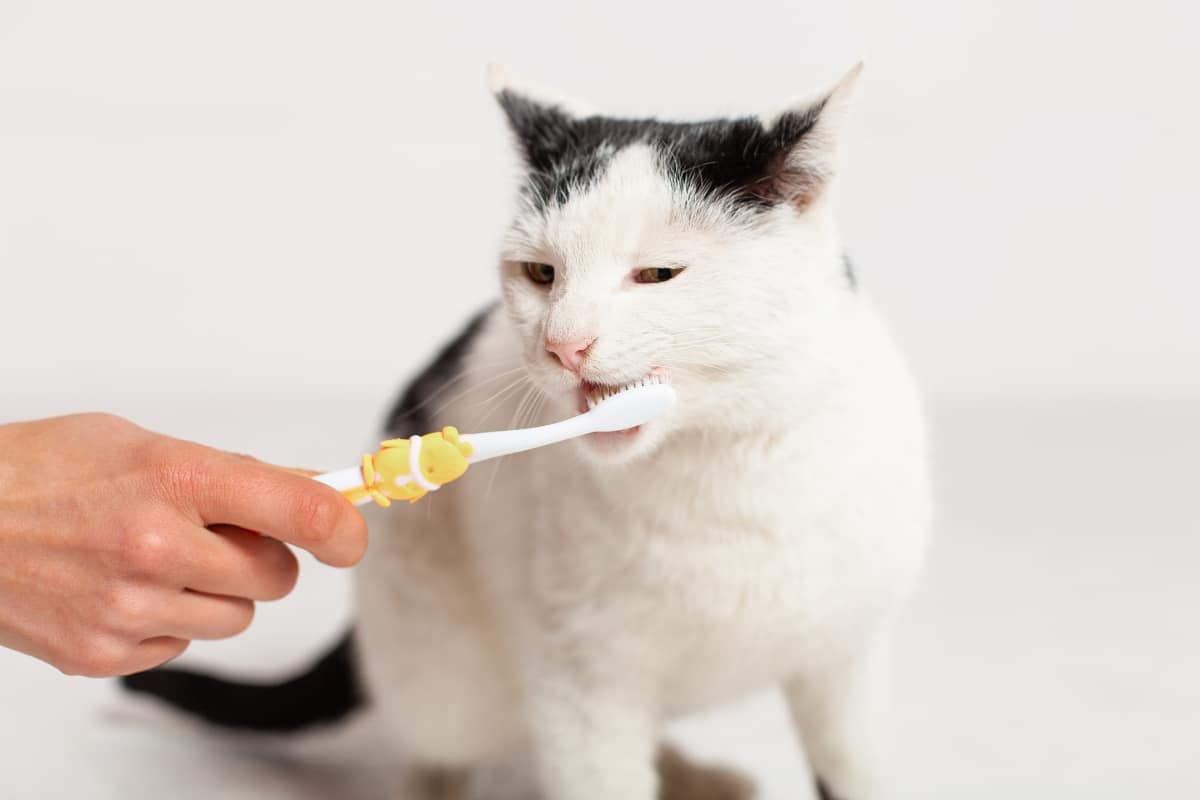

Brushing your dog’s teeth is one of the most important yet often overlooked aspects of pet wellness. While many pet parents focus on nutrition, exercise, and grooming, oral hygiene plays a major role in your dog’s overall health. Without proper care, plaque buildup can lead to gum disease, infections, and even problems affecting the heart, liver, and kidneys.
Fortunately, brushing your dog’s teeth does not have to be stressful or complicated. With patience, the right tools, and a consistent routine, you can make dental brushing a positive experience for both you and your pet. This guide walks you through every step, from preparation to technique, so you can confidently protect your dog’s smile and long-term health. This educational guide is especially helpful for pet parents seeking preventive care in Mooresville, NC.
Why Brushing Your Dog’s Teeth Matters
Just like humans, dogs develop plaque when food particles and bacteria accumulate along the gum line. Over time, plaque hardens into tartar, which causes inflammation, bad breath, and painful infections. Left untreated, dental disease may lead to tooth loss and serious internal health complications.
Regular brushing removes plaque before it hardens, supports healthy gums, and reduces the risk of costly dental procedures. In fact, consistent brushing is the foundation of effective dog dental care, helping your dog stay comfortable and active throughout life.
Step 1: Gather the Right Dental Tools
Before you begin, make sure you have supplies designed specifically for dogs. Using human dental products can be unsafe and ineffective.
Essential Tools You’ll Need
- Dog toothbrush: Choose a soft-bristled brush or a finger brush for better control
- Dog toothpaste: Select a pet-safe formula in flavors like chicken or peanut butter
- Clean towel: Useful for gentle restraint and cleanup
- Treats: Rewards reinforce positive behavior
Once your tools are ready, you can move forward confidently.
Step 2: Help Your Dog Get Comfortable
If your dog is new to tooth brushing, start slowly. Rushing the process can create anxiety and resistance.
How to Build Comfort Gradually
- First, gently touch your dog’s muzzle and lift their lips
- Next, rub the teeth and gums using your finger
- Then, introduce toothpaste by letting your dog taste it
Throughout this step, use praise and calm reassurance. As a result, your dog begins to associate brushing with positive attention rather than stress.
Step 3: Choose a Calm Environment
The environment plays a key role in successful brushing sessions. Therefore, pick a quiet space where your dog feels relaxed.
Good options include:
- A familiar room
- A favorite blanket or bed
- After exercise, when your dog feels calmer
Position your dog comfortably, either sitting or standing. If needed, gently support their head without forcing their mouth open.
Step 4: Use the Proper Brushing Technique
Once your dog is calm and positioned comfortably, it’s time to begin brushing.
Step-by-Step Brushing Method
- Apply a small amount of dog toothpaste to the brush
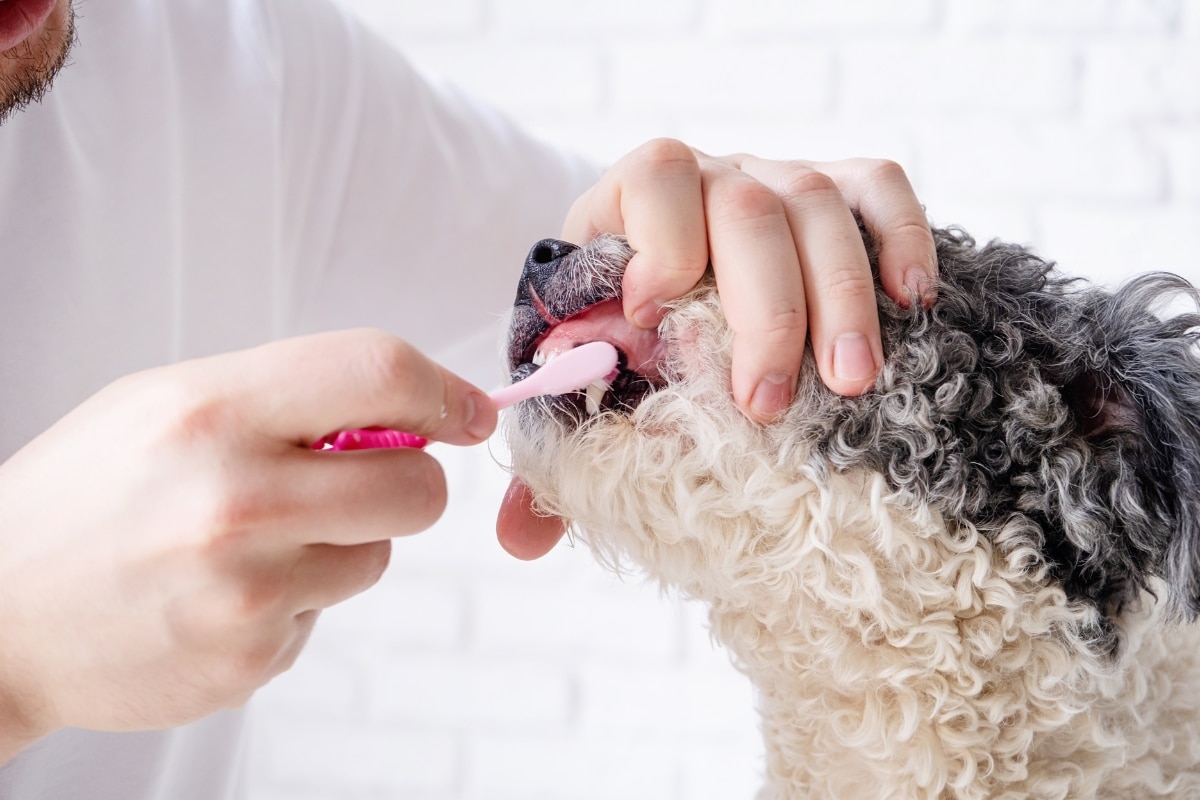
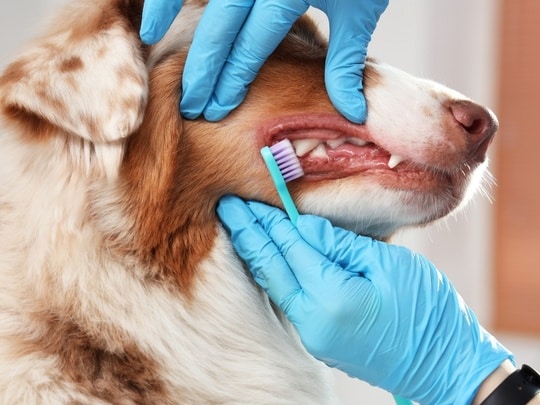
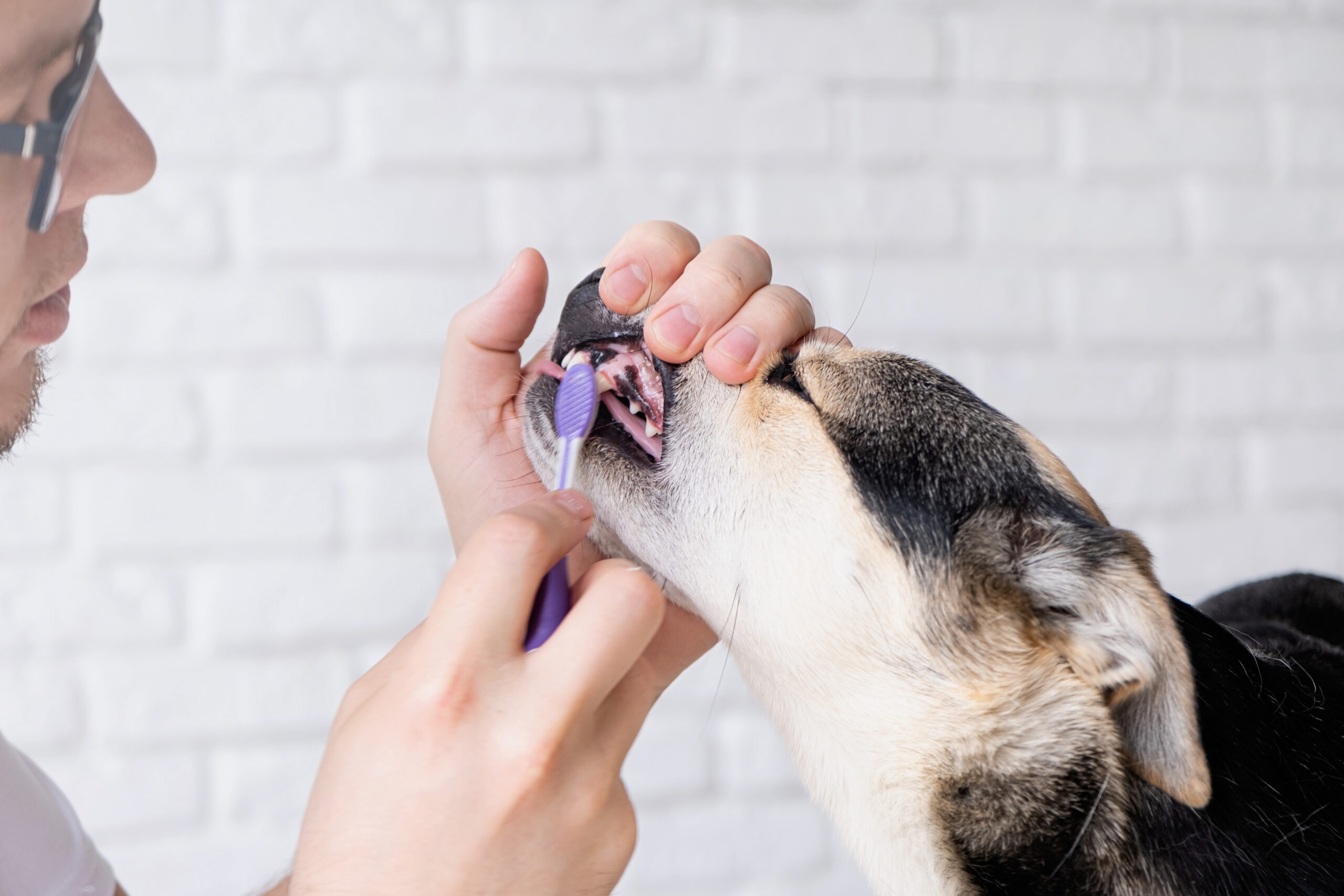
- Lift your dog’s lips gently
- Brush in small, circular motions
- Focus on the outer surfaces of the teeth
- Pay extra attention to the back molars, where plaque builds up quickly
Always brush gently to avoid gum irritation. Aim for 30 to 60 seconds per side. Over time, you can increase brushing duration as your dog becomes more comfortable.
Step 5: Keep Sessions Short and Positive
Short, consistent sessions work better than long, stressful ones. If your dog becomes restless, stop and try again later.
Immediately after brushing:
- Praise your dog enthusiastically
- Offer a healthy treat
- Use affectionate reinforcement
Positive endings build trust and make the next session easier.
Step 6: Establish a Regular Routine
Consistency is the key to success. Ideally, brush your dog’s teeth at least two to three times per week. However, daily brushing provides the best protection against plaque and gum disease.
By maintaining a routine, you strengthen your dog’s oral health while reinforcing good habits. Regular brushing also reduces the need for frequent professional cleanings and supports lifelong dog dental care.
Additional Dental Support Options
Although brushing is the gold standard, supplemental dental products can enhance results.
Helpful Add-Ons
- Dental chews approved by veterinarians
- Oral rinses or sprays
- Dental wipes for sensitive dogs
- Balanced diets that reduce plaque buildup
These tools support brushing but should never replace it entirely.
Signs Your Dog May Have Dental Problems
Despite routine brushing, some dogs may still develop dental issues. Watch for warning signs such as:
- Persistent bad breath
- Red or swollen gums
- Difficulty chewing
- Excessive drooling
- Yellow or brown tartar buildup
If you notice any of these symptoms, professional evaluation is essential.
Professional Dental Exams Matter
At-home brushing is powerful, but it does not replace professional dental exams. Veterinary dental checkups identify hidden issues below the gum line and ensure early treatment when needed.
For pet parents living near Mooresville, NC, routine dental assessments help keep dogs healthy and pain-free as they age.
Brushing your dog’s teeth is a simple yet powerful way to protect their overall health and well-being. With patience, consistency, and the right technique, dental care can become a stress-free part of your regular routine. Regular brushing helps prevent plaque buildup, supports healthy gums, and reduces the risk of painful dental problems as your dog ages.
If you are in Weaverville, NC and looking for professional support for your dog’s dental health, book an appointment with TotalBond Veterinary Hospital at Davidson. Our experienced veterinary team is committed to helping your dog maintain a healthy smile and a happier life.
FAQs
Q1. How often should I brush my dog’s teeth at home?
Ans. Ideally, you should brush your dog’s teeth daily. However, brushing at least 2–3 times a week can still help reduce plaque buildup and support oral health.
Q2. What type of toothbrush is best for dogs?
Ans. A soft-bristled dog toothbrush or a finger brush works best. These tools are designed to fit comfortably in your dog’s mouth and protect sensitive gums.
Q3. Can I use baking soda or human toothpaste on my dog?
Ans. No. Human toothpaste and baking soda can be harmful if swallowed. Always use toothpaste specifically made for dogs.
Q4. How long should each brushing session last?
Ans. Each session should last about 1–2 minutes, focusing mainly on the outer surfaces of the teeth where plaque accumulates most.
Q5. What if my dog refuses to let me brush their teeth?
Ans. Start slowly by letting your dog taste the toothpaste and gently touching their mouth. Use praise and rewards, and gradually introduce the toothbrush over time.
Q6. Are professional dental cleanings still necessary if I brush regularly?
Ans. Yes. Home brushing is essential, but professional dental cleanings allow veterinarians to remove hardened tartar and check for hidden dental issues.