Surgery can be stressful for pets and their owners, especially when concerns arise about pain during recovery. For dog and cat owners in Mooresville, NC, understanding postoperative care can make it easier to recognize discomfort and support healing.
At TotalBond Veterinary Hospital at Davidson, we recognize that managing discomfort is an important part of surgical recovery. Effective pet pain management helps reduce suffering, supports normal body functions, and allows pets to rest more comfortably as their tissues heal.
Although some discomfort is expected after surgery, uncontrolled pain can interfere with eating, sleeping, movement, and overall recovery.
Why Is Pain Management Important After Pet Surgery?
Surgical procedures involve tissue manipulation that triggers inflammation and pain signals. The intensity of discomfort depends on the procedure, the pet’s health, and individual sensitivity.
Controlling postoperative pain offers several important benefits:
- Improved comfort: Reduces discomfort around surgical incisions and affected tissues.
- Better rest: Helps pets settle comfortably while their bodies recover.
- Improved appetite: May encourage normal eating as discomfort decreases.
- Reduced stress: Limits pain-related anxiety and restlessness.
- Supported healing: Helps reduce physiological stress that may interfere with recovery.
Pain relief does not replace proper wound care or activity restrictions. These measures work together to support healing.
How Do Veterinarians Control Pain Before and After Surgery?
Veterinary pain control often begins before surgery rather than waiting for discomfort to develop.
Veterinarians may combine several approaches depending on the procedure and the animal’s medical condition.
Pain Medication Before Surgery
Preoperative medications help reduce pain signaling before surgical tissue injury occurs. This approach may also decrease the amount of additional pain medication needed afterward.
Medication During and After Surgery
Veterinarians may use local anesthetics, injectable pain relievers, and anti-inflammatory medications when medically appropriate.
Combining medications that work differently is called multimodal pain control. It can improve comfort while allowing veterinarians to consider the benefits and risks of each medication.
Ongoing Pain Assessment
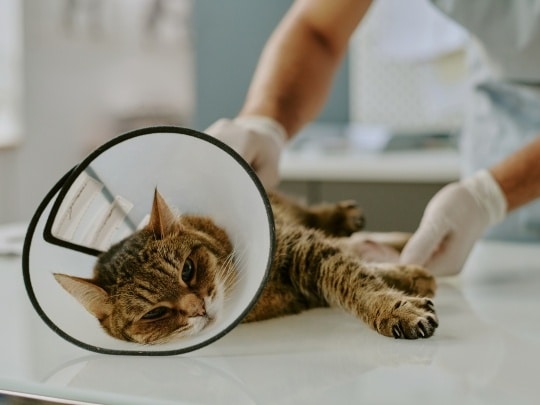
Recovery monitoring includes observing posture, movement, behavior, and responses to gentle examination.
Veterinarians may adjust treatment when discomfort persists, or medication causes unwanted effects.
What Are the Signs Your Pet Is in Pain After Surgery?
Dogs and cats often express pain through behavioral changes rather than obvious crying.
Watch for:
- Whining, whimpering, or unusual vocalization.
- Hiding, withdrawal, or unexpected aggression.
- Restlessness or difficulty finding a comfortable position.
- Reduced appetite or reluctance to move.
- Excessive licking around the surgical incision.
- Hunched posture, trembling, or unusual panting.
These symptoms can also occur with anxiety, nausea, or lingering anesthesia effects.
Persistent or worsening symptoms require veterinary assessment rather than assuming pain is the only cause.
How Can Pet Owners Support Pain Relief at Home?
Home care plays an important role in pain management after pet surgery.
Follow these recovery precautions:
- Administer prescribed medications: Follow the veterinarian’s instructions without changing doses.
- Provide a quiet resting area: Keep bedding comfortable and away from household activity.
- Restrict physical activity: Prevent jumping, running, or rough play until cleared.
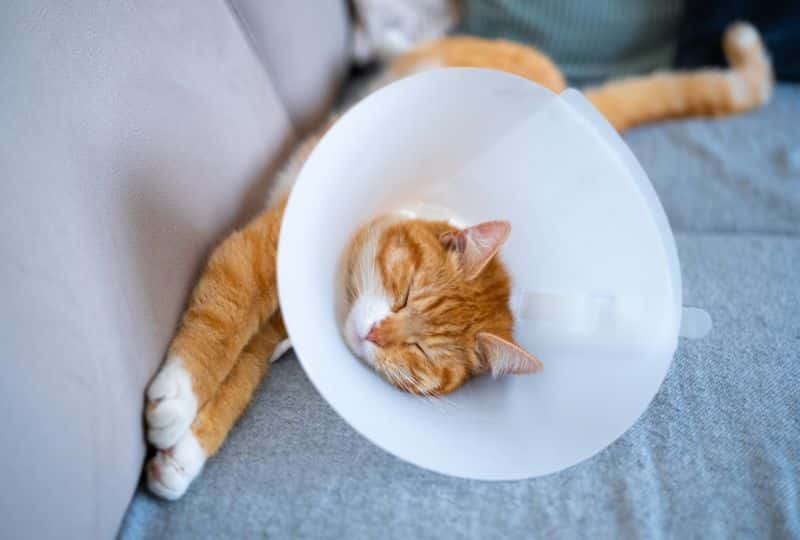
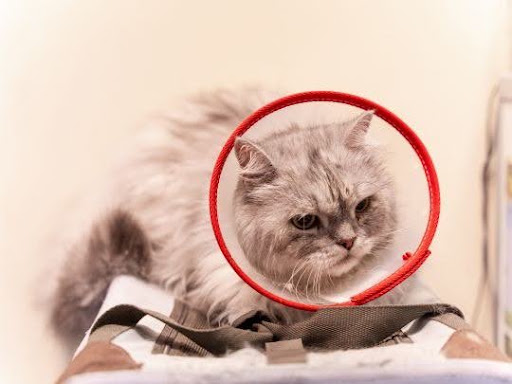
- Protect the incision: Use a prescribed recovery collar when necessary.
- Monitor daily progress: Observe eating, drinking, movement, and incision appearance.
Never administer human pain medications without veterinary direction. Certain medications can cause serious poisoning in dogs and cats.
When Does Postoperative Pain Require Veterinary Attention?
Mild sleepiness and temporarily reduced activity may occur after anesthesia. Follow the discharge instructions and monitor for gradual improvement.
Contact your veterinarian if your pet experiences persistent discomfort, refuses food beyond the expected recovery period, or develops increasing incision redness.
Call our animal hospital now if your pet develops concerning postoperative symptoms that require prompt assessment.
Difficulty breathing, collapse, uncontrolled bleeding, or unresponsiveness warrants immediate emergency veterinary attention.
Early assessment helps distinguish uncontrolled pain from surgical complications or medication reactions.
Help Your Pet Recover More Comfortably After Surgery
Surgical recovery involves more than allowing an incision to heal. Proper pain relief, careful monitoring, and appropriate home care help protect your pet’s comfort throughout healing.
At TotalBond Veterinary Hospital at Davidson, our approach to pet pain management includes medication-based and non-medication options, with a focus on recognizing and preventing unnecessary discomfort.
If your dog or cat is recovering from surgery or showing signs of postoperative discomfort, our veterinary team is here to help.
Call our hospital at (704) 892-1992 to discuss your pet’s recovery or schedule a pain management consultation at our Mooresville, NC, location.
Frequently Asked Questions
1. How long do dogs and cats need pain medication after surgery?
The duration depends on the surgical procedure, inflammation, and individual recovery. Some pets need medication for several days, while others require longer treatment. Our veterinary team at TotalBond Veterinary Hospital at Davidson can assess recovery progress and determine when medication changes are appropriate.
2. Is it normal for my dog to cry after surgery?
Some dogs vocalize because of discomfort, confusion, or lingering effects of anesthesia. Persistent crying, especially with restlessness or trembling, warrants veterinary attention. Our veterinarians can examine your dog and identify whether additional pain relief or other treatment is necessary.
3. Can cats hide pain after surgery?
Yes. Cats frequently conceal discomfort and may become withdrawn, avoid movement, or stop grooming normally. Our veterinary team at TotalBond Veterinary Hospital at Davidson evaluates these subtle changes to identify possible postoperative pain and determine whether further examination is needed.
4. Can older pets safely receive pain medication after surgery?
Many senior pets can receive appropriate pain relief, but existing kidney, liver, or other medical conditions influence medication selection. Our veterinarians may recommend bloodwork and closer monitoring before prescribing postoperative medications.
5. What happens if my pet’s pain medication is not working?
Persistent discomfort may indicate inadequate pain control, inflammation, or a postoperative complication. Contact TotalBond Veterinary Hospital at Davidson for an assessment. Never increase medication doses or combine pain relievers without veterinary approval.
6. When should I schedule a postoperative veterinary examination?
Schedule an examination if your pet’s pain worsens, appetite remains poor, or normal activity does not gradually return. Our veterinary team can examine the incision, assess discomfort, and determine whether additional treatment is necessary.