
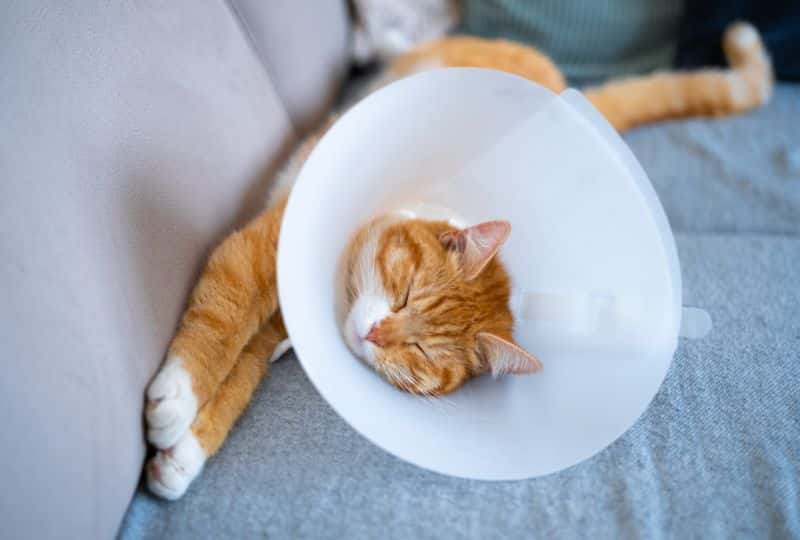
When your pet comes home after a procedure, it is normal to have questions about what recovery should look like. Many pet owners wonder how much rest their pet needs, what changes to expect, and when to contact a veterinarian.
At TotalBond Veterinary Hospital at Davidson, we understand that recovery does not end when a procedure is complete. Proper aftercare, monitoring, and follow-up guidance can help pets heal comfortably and safely return to their normal routines.
What Happens During Your Pet’s Recovery After Surgery?
Recovery after pet surgery involves more than allowing the incision to heal. Your pet’s body needs time to recover from anesthesia, manage inflammation, rebuild strength, and adjust after the procedure.
The recovery process can vary based on:
- The type of procedure performed
- Your pet’s age and overall health
- The location of the surgical site
- Your pet’s activity level and behavior
- Any instructions provided by your veterinarian
Some pets may seem tired or less interested in food during the first day after returning home. These changes can happen as the effects of anesthesia wear off. However, monitoring your pet closely helps identify concerns early.
What Should Pet Owners Expect in the First Few Days?
The first few days after a procedure are an important part of healing. Your veterinarian will provide instructions based on your pet’s specific needs, but many pets require extra rest and supervision during this period.
Common recovery experiences may include:
Reduced Energy and Increased Rest
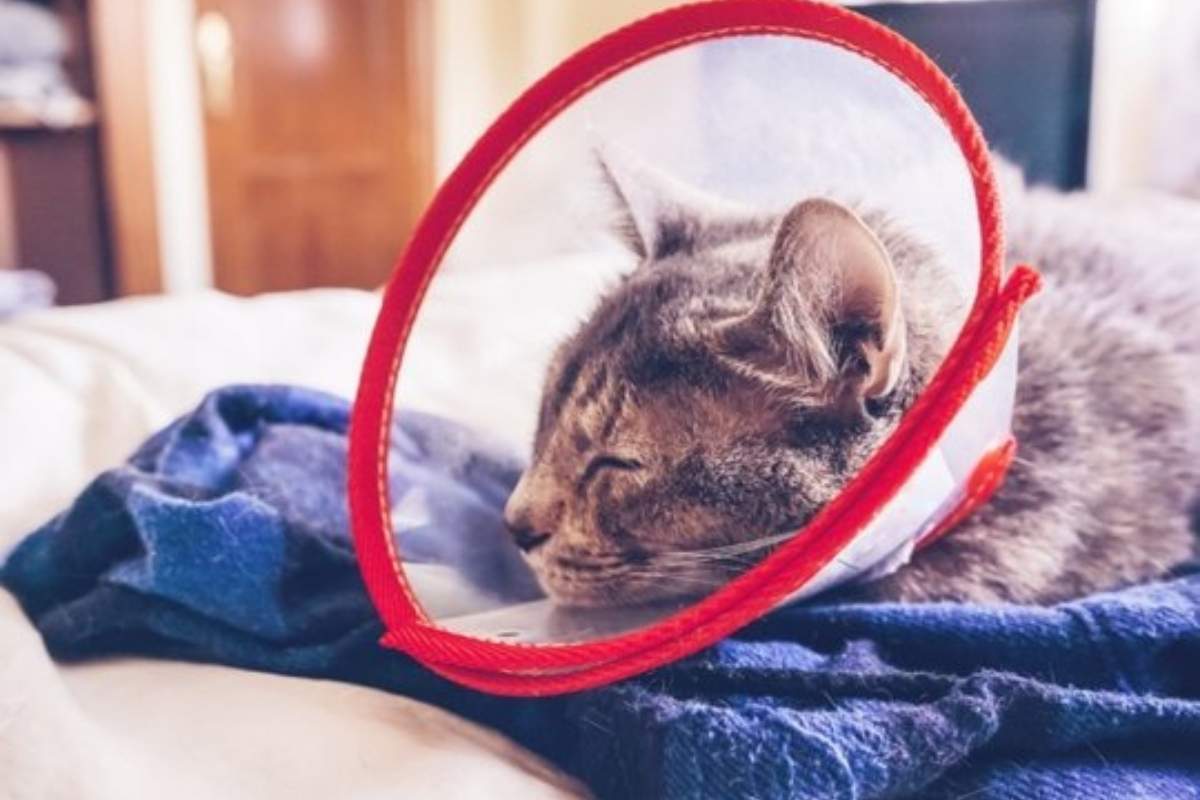
Your pet may sleep more than usual after returning home. Rest allows the body to focus energy on healing. A quiet, comfortable area can help your pet recover without unnecessary stress.
Changes in Appetite
Some pets may have a reduced appetite shortly after anesthesia. Offering small portions of food and following your veterinarian’s feeding instructions may help. If your pet refuses food for an extended period or shows other concerning symptoms, contact your veterinary team.
Mild Discomfort or Limited Movement
Your pet may move more slowly or avoid certain activities while healing. Pain management instructions should always be followed carefully. Do not give human medications unless specifically directed by a veterinarian, as some are unsafe for pets.
Protecting the Surgical Area
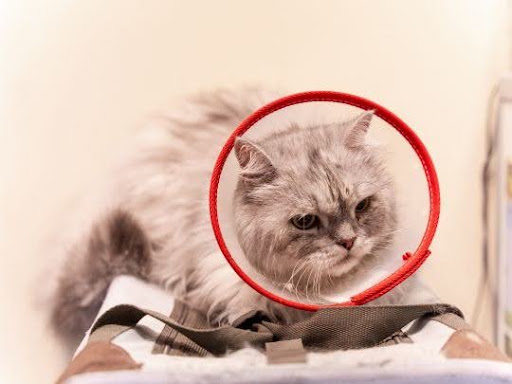
Preventing your pet from licking, chewing, or irritating the incision is an important part of recovery. Your veterinarian may recommend protective equipment, activity restrictions, or other methods to help protect the healing area.
How Can You Help Your Pet Recover Safely at Home?
Home care plays an important role in your pet’s recovery. Small changes in your daily routine can help support healing and reduce the chance of complications.
Pet owners should:
- Keep your pet’s resting area clean and comfortable
- Follow medication instructions exactly
- Limit running, jumping, and rough play when advised
- Check the incision area as recommended
- Attend follow-up appointments if scheduled
- Watch for changes in appetite, behavior, or mobility
Your veterinarian may provide specific instructions depending on whether your pet had an orthopedic, dental, soft-tissue, or other type of procedure or treatment.
What Signs Should You Watch For After a Procedure?
While some changes are expected during recovery, certain symptoms may require veterinary attention. Every pet responds differently, so changes should be evaluated based on your pet’s individual situation.
Contact your veterinarian if you notice:
- Increased swelling, redness, or discharge near the incision
- Persistent vomiting or diarrhea
- Severe tiredness that does not improve
- Loss of appetite that continues
- Difficulty breathing
- Signs of significant pain or distress
- Sudden changes in behavior
Some symptoms may indicate a normal recovery response, while others could point to complications. A veterinary examination can help determine the right next step.
How Long Does Pet Recovery Usually Take?
The recovery timeline depends on the procedure and your pet’s health condition. Some pets may return to normal activity within a short period, while others may need several weeks of restricted activity.
During recovery, it is important not to compare your pet’s progress with another animal’s experience. Healing speed can differ based on many factors, including age, health status, and the type of procedure performed.
If you have concerns about your pet’s progress, you can visit our veterinary hospital for guidance and a proper evaluation. Regular communication with your veterinary team can help ensure your pet receives appropriate support throughout the healing process.
How Can Follow-Up Care Support Your Pet’s Healing?
Follow-up appointments allow veterinarians to monitor recovery and check whether healing is progressing as expected. These visits may include examining the incision, assessing mobility, reviewing medication use, and answering questions about activity levels.
Follow-up care is also an opportunity for pet owners to discuss changes they have noticed at home. Small details about eating habits, energy levels, or behavior can provide valuable information about recovery.
Helping Your Pet Return to Normal Activities After Recovery
Returning to regular activities should happen gradually. Even if your pet appears energetic, too much activity too soon may interfere with healing.
Your veterinarian may recommend a gradual return to:
- Walks and exercise
- Playtime
- Normal feeding routines
- Regular household activities
Following these recommendations can help protect the progress your pet has made during recovery.
Supporting Your Pet Through a Safe and Comfortable Recovery
A successful recovery depends on careful monitoring, proper home care, and timely veterinary support. Knowing what changes to expect can help pet owners feel more prepared and recognize when additional guidance may be needed.
For pet owners in Mooresville and nearby communities, TotalBond Veterinary Hospital at Davidson provides guidance to help families understand post-procedure care and support their pets throughout recovery. If your pet needs help after a procedure or you have questions about the healing process, scheduling a veterinary consultation can provide the information needed to move forward with confidence.
Frequently Asked Questions
How long does it take for a pet to recover after surgery?
Recovery time depends on the procedure, your pet’s health, and how their body responds. Some pets recover within days, while others may need several weeks of restricted activity and monitoring.
Is it normal for my pet to sleep a lot after a procedure?
Yes, increased sleep can occur after anesthesia and procedures. However, extreme tiredness, difficulty waking, or worsening symptoms should be discussed with a veterinarian.
What should I do if my pet licks the incision?
Licking can irritate the surgical site and may increase the risk of complications. Prevent access to the area and contact your veterinarian for guidance if licking continues.
When should I call the veterinarian after my pet’s procedure?
Contact your veterinarian if you notice symptoms such as unusual swelling, discharge, breathing problems, severe discomfort, or changes that concern you during recovery.
Can my pet return to normal activity immediately after surgery?
Most pets need gradual increases in activity after a procedure. Running, jumping, or intense play may need to be limited until your veterinarian confirms it is safe.
Does my pet need a follow-up examination after surgery?
Many procedures require follow-up care to monitor healing and address concerns. Your veterinarian will recommend the appropriate schedule based on your pet’s recovery needs.