
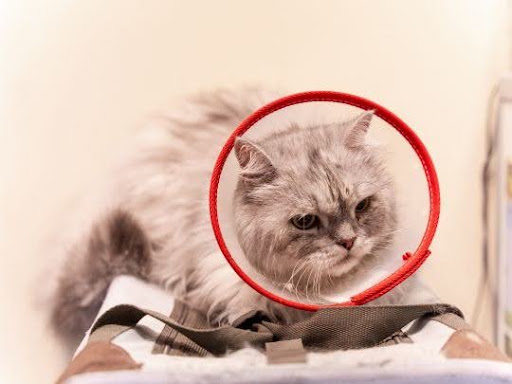
Hearing that your pet may need surgery can feel overwhelming. Understanding why a procedure is recommended can make the process easier. Pet surgery in Belmont may be considered for conditions ranging from masses and wounds to gastrointestinal problems and reproductive care. A veterinarian evaluates your pet’s symptoms, medical history, and overall health before determining whether surgery is appropriate.
Surgery is not recommended without careful consideration. Your veterinary team should explain the reason for the procedure, expected benefits, possible risks, preparation requirements, and recovery process. Knowing what to expect can help you make informed decisions about your companion’s care.
When Does a Pet Need Veterinary Surgery in Belmont?
Pets may require surgery when medication or other treatments cannot adequately address a condition. Some procedures are planned in advance, while others may be recommended after diagnostic testing identifies a problem.
Common reasons for veterinary surgery include:
- Removal of abnormal masses or growths
- Repair of certain wounds
- Treatment of gastrointestinal conditions
- Removal of foreign objects
- Soft tissue procedures
- Spay or neuter procedures
- Certain orthopedic conditions
- Treatment of some cancers
- C-section procedures for selected pregnant pets
New Hope Veterinary Hospital provides several surgical services, including soft tissue, orthopedic, gastrointestinal, oncology, laparoscopic, and foreign body procedures.
The appropriate approach depends on your pet’s individual condition. A veterinarian can explain whether surgery is the best option and what alternatives may be available.
Signs Your Pet May Need a Surgical Evaluation
Certain changes in your pet’s health should prompt a veterinary evaluation. These signs do not automatically mean surgery is necessary, but they may indicate an underlying condition that requires further investigation.
Watch for changes such as:
- Persistent vomiting or diarrhea
- Difficulty passing stool
- Loss of appetite
- Unexplained weight loss
- Abdominal discomfort or bloating
- A new or changing lump
- Wounds that do not heal properly
- Difficulty moving normally
- Persistent pain or discomfort
- A suspected swallowed object
Some gastrointestinal problems, for example, may require surgery when a foreign object is obstructing the digestive tract.
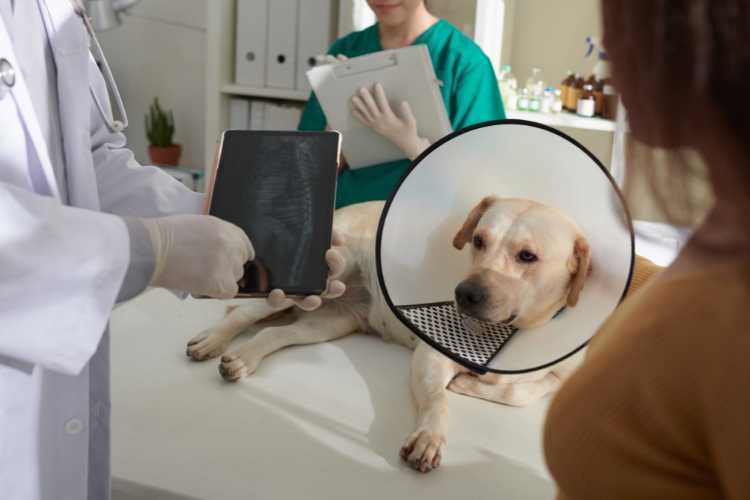
A veterinarian may perform a physical examination and recommend diagnostic testing before deciding on treatment.
What Happens Before Pet Surgery Near You?
Preparation is an important part of professional surgical care. Before a procedure, the veterinary team reviews your pet’s health history and evaluates their current condition.
Depending on the procedure, pre-surgical testing may include bloodwork or other diagnostic evaluations. These assessments help the veterinarian understand your pet’s health and identify factors that could affect anesthesia or surgery.
For appropriate procedures, New Hope Veterinary Hospital reports using pre-surgical blood panels, IV fluids, advanced surgical equipment, vital-sign monitoring during anesthesia, and pre-, peri-, and post-operative pain management.
Your veterinarian should also discuss:
- Why surgery is recommended
- How the procedure will be performed
- Anesthesia considerations
- Pain management
- Expected recovery time
- Home-care instructions
- Potential complications
- Follow-up requirements
Asking questions before the procedure can help you understand your pet’s treatment plan and prepare your home for recovery.
Understanding Recovery After Veterinary Surgery in Belmont
Recovery does not end when the procedure is complete. Your pet may need rest, medication, activity restrictions, dietary adjustments, or additional monitoring at home.
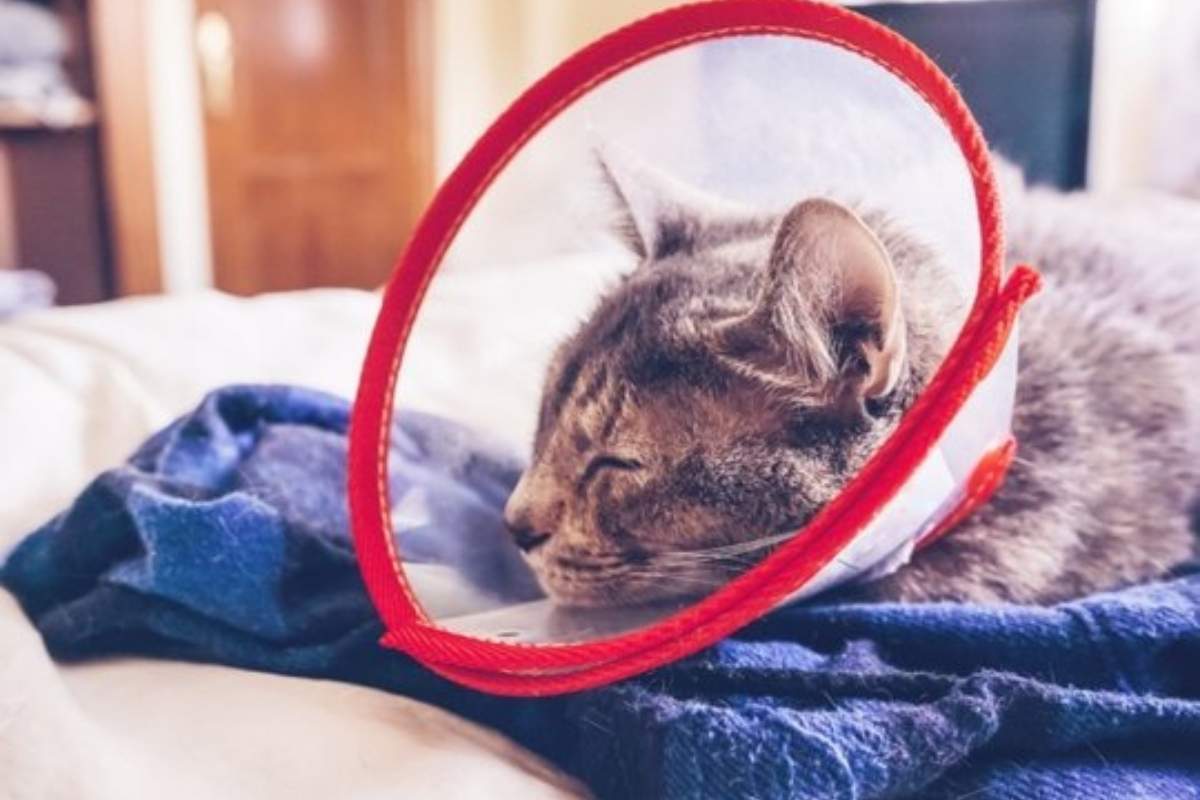
Follow your veterinarian’s instructions carefully. Keep your pet’s surgical area clean and prevent excessive licking, scratching, jumping, or running if activity restrictions have been recommended.
Contact your veterinary team if you notice concerning changes such as worsening swelling, discharge from the surgical site, significant changes in appetite, persistent discomfort, or unusual behavior.
Pain management is another important part of recovery. Veterinary pain management can involve medications and other approaches selected according to the pet and procedure.
Your veterinarian may also recommend a follow-up examination to assess healing and determine whether your pet can gradually return to normal activities.
How to Prepare for Pet Surgery Near You
Pet owners can take several practical steps before a scheduled procedure. Follow all feeding, medication, and arrival instructions provided by your veterinary team.
It is also helpful to prepare a quiet recovery area at home. Keep necessary medications organized and make sure your pet has a comfortable place to rest.
Before leaving for the appointment, confirm:
- Whether your pet should eat or drink beforehand
- Which medications should be given
- When your pet should arrive
- How long your pet may remain at the hospital
- What supplies are needed at home
- When the follow-up visit should occur
Clear communication with your veterinarian can help make surgical care more organized and less stressful for both you and your pet.
Choosing Professional Pet Surgery in Belmont
When surgery is recommended, choosing an experienced veterinary team is an important decision. Look for a practice that emphasizes individualized treatment, appropriate monitoring, pain management, clear communication, and thorough follow-up.
New Hope Veterinary Hospital provides veterinary surgical care in Belmont and offers procedures ranging from common surgeries to more specialized treatments. The hospital also provides laparoscopic surgery and ultrasound at its Belmont location.
If your veterinarian has recommended a procedure or your pet is showing signs that may require further evaluation, schedule an appointment with our animal hospital to discuss your pet’s condition and available treatment options.
When your companion needs surgical care, understanding the process can help you approach treatment with greater confidence. From pre-surgical evaluation and anesthesia planning to pain management and recovery support, every stage matters. New Hope Veterinary Hospital is located in Belmont and provides professional veterinary surgical services designed around each pet’s individual needs.
Frequently Asked Questions
1. How do I know if my pet needs surgery?
Ans: Only a veterinary examination can determine whether surgery is appropriate. Symptoms such as persistent digestive problems, abnormal masses, wounds, or suspected foreign objects may require further evaluation.
2. What types of pet surgery are commonly performed?
Ans: Common procedures include mass removal, spay and neuter surgery, soft tissue procedures, gastrointestinal surgery, foreign body removal, orthopedic procedures, and certain cancer-related surgeries.
3. Is bloodwork necessary before pet surgery?
Ans: Pre-surgical bloodwork may be recommended depending on your pet’s age, health, medical history, and planned procedure. It helps the veterinarian evaluate overall health before anesthesia and surgery.
4. How can I help my pet recover after surgery?
Ans: Follow all veterinary instructions regarding medication, feeding, activity, wound care, and follow-up visits. Provide a quiet recovery space and monitor your pet for changes that should be reported to the veterinary team.
5. How is pain managed after surgery?
Ans: Pain management may include medications and other veterinary techniques selected according to the procedure and your pet’s individual needs. New Hope Veterinary Hospital emphasizes pain recognition, prevention, and treatment as part of veterinary care.
6. Where can I find pet surgery near you?
Ans: Pet owners looking for pet surgery near you can consult a local veterinary hospital for an examination and personalized treatment recommendations. The veterinary team can determine whether surgery is appropriate and explain the next steps.