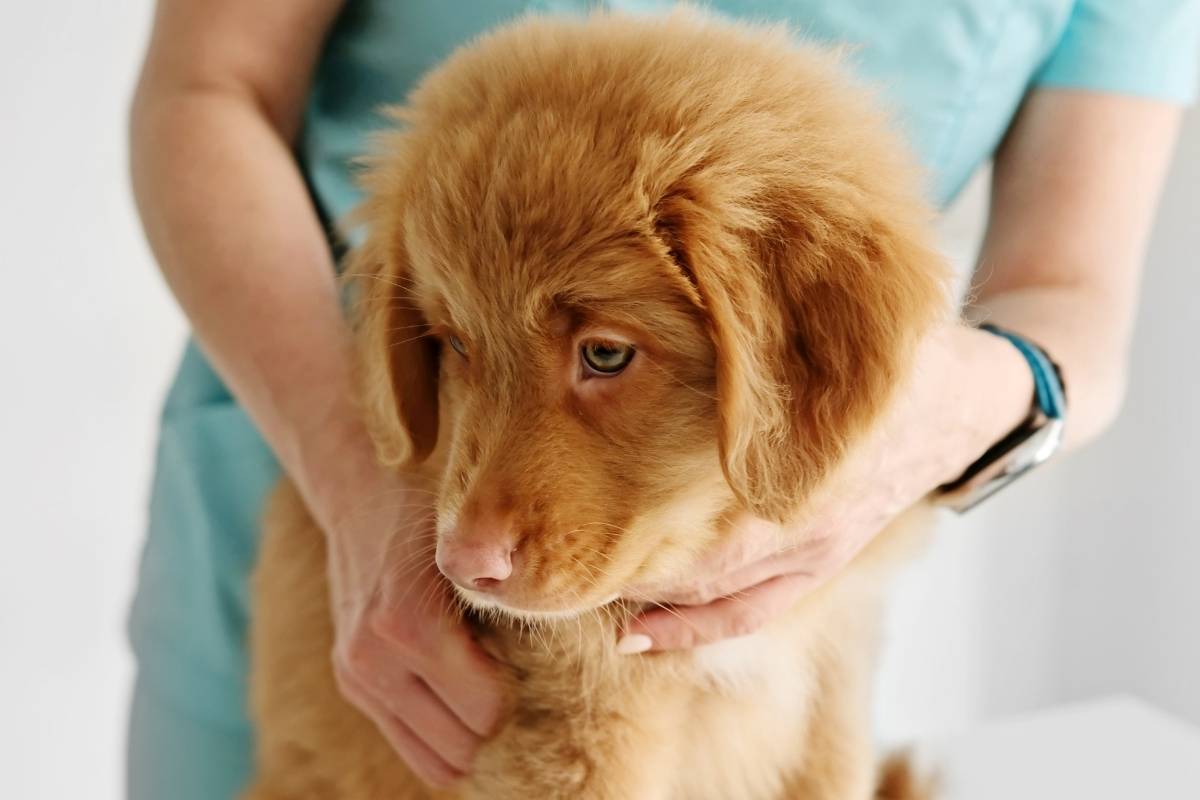

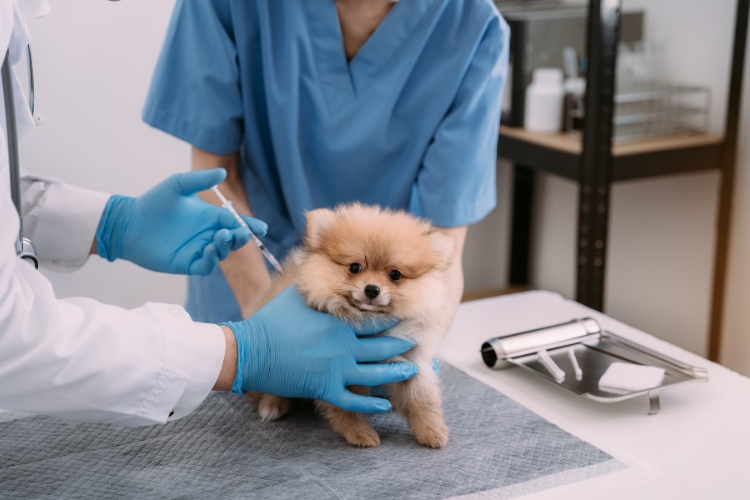
Bringing home a new puppy or kitten is an exciting experience, but it also comes with important responsibilities, especially when it comes to protecting their health. One of the most essential steps you can take as a pet owner is following a veterinarian-approved vaccination schedule. Vaccinations play a critical role in preventing serious and potentially life-threatening diseases in young pets.
In this guide, we’ll walk you through recommended vaccination timelines, why they matter, and how they help your pet grow into a healthy adult.
Why Are Vaccinations Important for Puppies and Kittens?
Young pets are especially vulnerable to infections because their immune systems are still developing. While they receive some initial protection from their mother’s milk, this immunity fades within the first few weeks of life.
Vaccinations help by:
- Protecting against highly contagious diseases
- Reducing the severity of illness if exposure occurs
- Preventing the spread of diseases to other animals
- Supporting long-term health and immunity
Core vaccines are considered essential for all pets, while non-core vaccines may be recommended based on lifestyle, environment, and risk factors.
Core Vaccines for Puppies
Puppies require a series of vaccinations during their first few months of life to build strong immunity.
6–8 Weeks
At this stage, puppies typically receive their first round of core vaccines, including:
- Distemper
- Parvovirus
- Adenovirus (hepatitis)
These diseases can be severe and often fatal, making early vaccination critical.
10–12 Weeks
The second round of vaccinations is administered to boost immunity:
- DHPP (Distemper, Hepatitis, Parvovirus, Parainfluenza)
- Optional: Bordetella (kennel cough), depending on exposure risk
14–16 Weeks
The final puppy booster is given:
- DHPP booster
- Rabies vaccine (required by law in many areas)
After completing this series, your puppy will have strong foundational protection against common diseases.
Core Vaccines for Kittens
Kittens also need a series of vaccinations to stay protected during early development.
6–8 Weeks
Initial vaccinations typically include:
- Feline Viral Rhinotracheitis
- Calicivirus
- Panleukopenia (FVRCP combination vaccine)
10–12 Weeks
Second round of boosters:
- FVRCP booster
- Optional: Feline Leukemia (FeLV), especially for outdoor or multi-cat households
14–16 Weeks
Final kitten vaccinations:
- FVRCP booster
- Rabies vaccine
These vaccines help protect kittens from respiratory infections and severe viral diseases that can spread quickly among cats.
Non-Core Vaccines: Are They Necessary?
Non-core vaccines are not required for every pet but may be recommended based on lifestyle and environment.
For Dogs:
- Bordetella (kennel cough)
- Leptospirosis
- Lyme disease
For Cats:
- Feline Leukemia (FeLV)
- Chlamydia
Your veterinarian will assess your pet’s daily activities, exposure to other animals, and geographic risks before recommending these vaccines.
Booster Shots and Adult Vaccination Schedule
Vaccination doesn’t stop after the first year. Booster shots are necessary to maintain immunity.
- 1 year after initial series: Booster vaccines are administered
- Every 1–3 years: Depending on vaccine type and veterinary guidance
Regular checkups ensure your pet stays up to date and protected throughout their life.
What to Expect After Vaccination
Most pets tolerate vaccines very well, but mild side effects can occur, including:
- Slight swelling at the injection site
- Mild fever
- Decreased appetite or energy
These symptoms usually resolve within 24–48 hours. However, contact your veterinarian immediately if you notice vomiting, facial swelling, or difficulty breathing.
How to Prepare for Your Pet’s Vaccination Visit
To ensure a smooth experience:
- Bring any previous medical records
- Keep your pet calm and comfortable
- Ask questions about vaccine schedules and side effects
- Follow post-vaccination care instructions carefully
Routine veterinary visits are also a great opportunity to discuss nutrition, behavior, and preventive care.
Importance of Timely Vaccination
Delaying or skipping vaccines can leave your pet vulnerable to preventable diseases. Sticking to a proper schedule ensures that your puppy or kitten develops strong immunity during their most critical growth stages.
If you’re looking for dependable pet vaccination services in Belmont, choosing a trusted veterinary team helps ensure your pet gets the right vaccines at the right time.
Building a Lifelong Preventive Care Plan
Vaccinations are just one part of a comprehensive preventive care plan. Regular wellness exams, parasite prevention, dental care, and proper nutrition all contribute to your pet’s overall health.
Establishing a relationship with your veterinarian early on helps create a personalized care plan tailored to your pet’s unique needs.
A structured vaccination schedule is one of the best investments you can make in your pet’s long-term health. By protecting against serious diseases early in life, you’re giving your puppy or kitten the best possible start.
Staying proactive with vaccinations, routine checkups, and preventive care ensures your pet remains happy, healthy, and protected for years to come. If your new pet is due for vaccinations, contact New Hope Veterinary Hospital to get started.
FAQs
Q1. When should I start vaccinating my puppy or kitten?
Ans. Vaccinations typically begin at 6–8 weeks of age and continue every 3–4 weeks until about 16 weeks old.
Q2. Are vaccinations safe for young pets?
Ans. Yes, vaccines are thoroughly tested and considered safe. Mild side effects may occur but are usually temporary.
Q3. Do indoor pets need vaccinations?
Ans. Yes, even indoor pets are at risk of exposure to certain diseases, making vaccinations important for their protection.
Q4. How often do pets need booster shots?
Ans. Booster shots are usually given one year after the initial series and then every 1–3 years based on your veterinarian’s recommendation.
Q5. Can I delay my pet’s vaccination schedule?
Ans. Delaying vaccines can leave your pet vulnerable to infections. It’s best to follow the recommended schedule closely.
Q6. What happens if my pet misses a vaccine dose?
Ans. Your veterinarian may adjust the schedule to ensure proper protection. Contact your clinic to determine the next steps.