
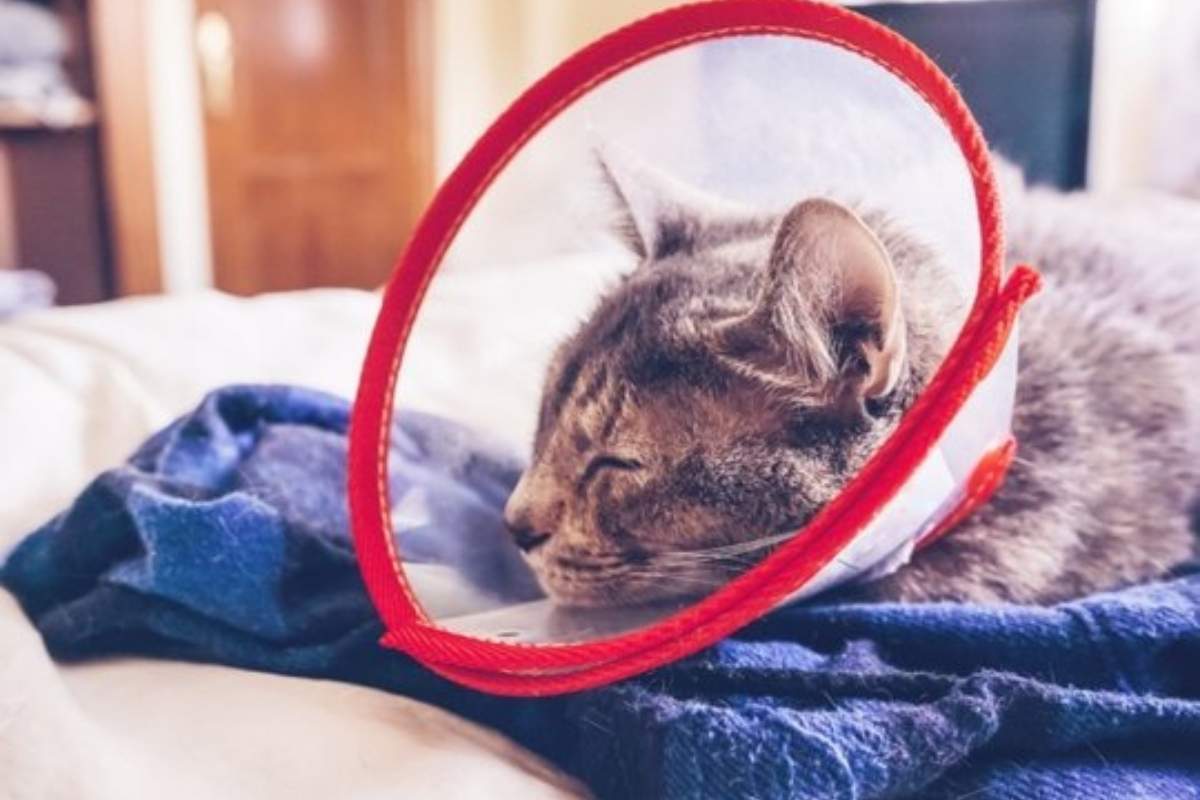
When a pet needs surgery, it is natural for owners to feel concerned about their companion’s safety and recovery. Whether the procedure is routine or more complex, proper preparation and follow-up care play a significant role in reducing risks and supporting a successful outcome. While modern veterinary medicine has made pet surgery safer than ever, there are still important steps pet owners can take before and after the procedure to help prevent complications.
Working closely with a trusted Charlotte veterinarian ensures your pet receives the highest standard of care throughout the surgical process. Understanding how to prepare for surgery, follow post-operative instructions, and recognize potential warning signs can make a meaningful difference in your pet’s recovery.
Understanding Surgical Risks in Pets
Every surgical procedure carries some level of risk, even when performed under carefully controlled conditions. Potential complications may include infection, delayed healing, adverse reactions to anesthesia, excessive bleeding, or post-surgical discomfort.
The good news is that many of these complications can be minimized through proper planning, advanced surgical techniques, thorough monitoring, and attentive at-home care. Pet owners play an important role in supporting their pet’s recovery and helping prevent avoidable issues.
Why a Pre-Surgical Evaluation Is Essential
One of the most important ways to reduce surgical complications is through a comprehensive pre-surgical assessment.
Before surgery, your veterinarian will evaluate your pet’s overall health, including:
- Medical history
- Current medications and supplements
- Existing health conditions
- Weight and body condition
- Heart and respiratory function
- Laboratory testing when necessary
These evaluations help identify underlying concerns that could increase surgical risks. Early detection allows the veterinary team to make adjustments to anesthesia protocols and surgical plans, helping ensure a safer procedure.
When seeking veterinary care in Charlotte, choosing a practice that prioritizes thorough pre-operative evaluations can significantly improve surgical outcomes.
Follow Pre-Surgery Instructions Carefully
Veterinarians provide detailed instructions before surgery for a reason. These guidelines are designed to reduce anesthesia risks and help the procedure go smoothly.
Common pre-surgical instructions may include:
Fasting Requirements
Many pets must avoid food for a specific period before anesthesia. Food in the stomach can increase the risk of vomiting and aspiration during surgery.
Medication Guidance
Some medications may need to be adjusted or temporarily discontinued before surgery. Always follow your veterinarian’s recommendations and never make medication changes without professional guidance.
Activity Restrictions
Depending on the procedure, your veterinarian may recommend limiting strenuous activity before surgery to help reduce stress and prevent injury.
Carefully following these instructions is one of the simplest yet most effective ways to reduce complications during pet surgery.
Maintain a Healthy Weight Before Surgery
Excess weight can increase surgical and anesthetic risks for pets. Obesity may contribute to:
- Longer surgical times
- Increased anesthesia challenges
- Reduced mobility during recovery
- Delayed wound healing
- Greater strain on joints and organs
If your pet is overweight, your veterinarian may recommend a weight management plan before elective surgery whenever possible.
Maintaining a healthy body condition can help improve surgical safety and support a smoother recovery process.
Inform Your Veterinarian About Any Health Changes
Even minor health changes can impact surgical planning.
Contact your veterinary team if your pet develops:
- Coughing
- Sneezing
- Vomiting
- Diarrhea
- Loss of appetite
- Lethargy
- Skin infections
- Changes in drinking or urination habits
Sharing this information allows your veterinarian to determine whether surgery should proceed as scheduled or if adjustments are necessary to protect your pet’s health.
The Importance of Advanced Anesthesia Monitoring
Modern anesthesia protocols have dramatically improved the safety of veterinary procedures.
During surgery, trained veterinary professionals monitor critical functions such as:
- Heart rate
- Blood pressure
- Oxygen levels
- Respiratory rate
- Body temperature
Continuous monitoring helps identify potential concerns early and allows immediate intervention if needed.
Choosing a trusted Charlotte veterinarian with advanced monitoring capabilities provides additional peace of mind and helps reduce anesthesia-related risks.
Keep the Surgical Site Clean and Protected
After surgery, protecting the incision is essential for preventing complications.
Pet owners should regularly inspect the surgical site and follow all cleaning instructions provided by their veterinarian.
Signs of a healthy incision often include:
- Minimal redness
- Mild swelling
- Dry, clean appearance
- Gradual healing over time
Avoid applying creams, ointments, or home remedies unless specifically recommended by your veterinarian.
Keeping the incision clean and dry helps reduce the risk of infection and supports proper healing.
Prevent Licking, Chewing, and Scratching
One of the most common causes of post-surgical complications is self-trauma.
Pets may instinctively lick, chew, or scratch at their incision sites, which can lead to:
- Infection
- Tissue damage
- Open wounds
- Delayed healing
- Additional surgery
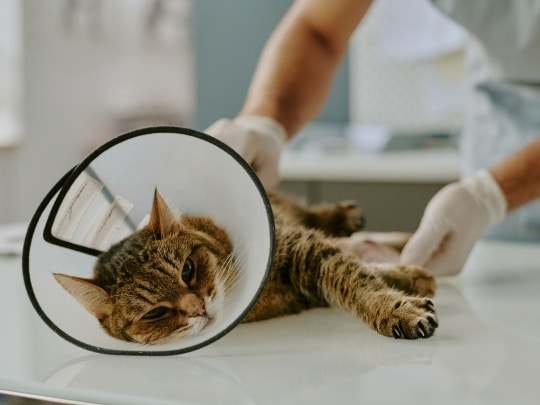
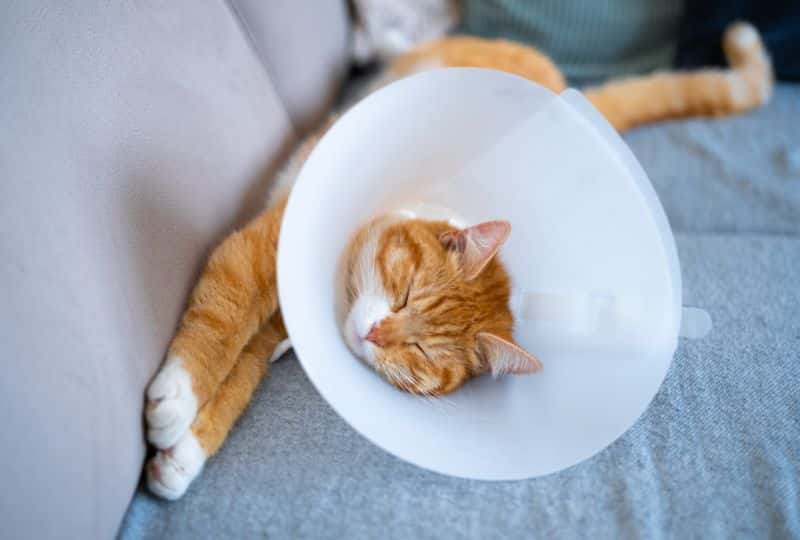
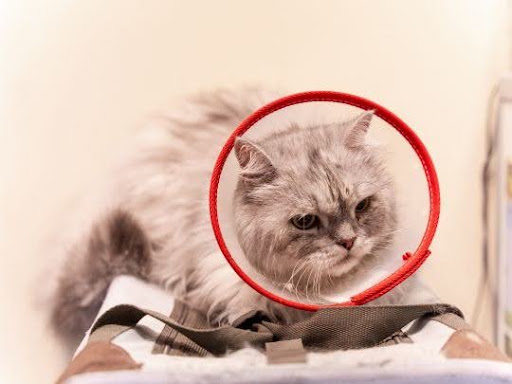
Protective devices such as recovery collars, surgical suits, or other veterinarian-approved barriers can help prevent these behaviors.
Although some pets may initially resist wearing protective equipment, it is often critical for a successful recovery.
Restrict Activity During Recovery
Many pets begin feeling better before their bodies have fully healed. While this may seem encouraging, excessive activity can cause serious complications.
Depending on the procedure, veterinarians may recommend limiting:
- Running
- Jumping
- Rough play
- Climbing stairs
- Off-leash activity
Overexertion can place stress on surgical sites and increase the risk of bleeding, swelling, or wound reopening.
Following activity restrictions throughout the recovery period is one of the most important steps pet owners can take.
Administer Medications Exactly as Directed
Pain management and prescribed medications are critical components of post-surgical care.
Always:
- Follow dosage instructions carefully
- Complete prescribed medication courses
- Administer medications at recommended times
- Contact your veterinarian if side effects occur
Never give human medications to pets unless specifically instructed by a veterinary professional.
Proper medication administration helps manage discomfort, reduce inflammation, and lower the risk of infection.
Monitor for Signs of Surgical Complications
Early detection often leads to quicker treatment and better outcomes.
Contact your veterinarian immediately if you notice:
Excessive Swelling or Redness
While mild inflammation can be normal, significant swelling or worsening redness may indicate infection or other concerns.
Persistent Bleeding or Discharge
Any unusual discharge, especially if it contains pus or has a strong odor, should be evaluated promptly.
Loss of Appetite
A temporary decrease in appetite may occur after surgery, but prolonged refusal to eat requires veterinary attention.
Lethargy or Weakness
Excessive tiredness beyond the expected recovery period may signal an underlying issue.
Difficulty Breathing
Breathing abnormalities should always be treated as a medical emergency.
Prompt communication with your veterinarian can prevent minor concerns from becoming serious complications.
Attend All Recommended Follow-Up Appointments
Post-operative examinations allow veterinarians to assess healing progress and identify potential concerns before they become more serious.
These visits may include:
- Incision evaluation
- Suture or staple removal
- Pain assessment
- Mobility evaluation
- Recovery progress monitoring
Skipping follow-up appointments can increase the likelihood of unnoticed complications.
If your pet is scheduled for surgery, don’t hesitate to schedule an appointment and discuss the procedure, recovery expectations, and preventive care recommendations with your veterinary team.
Supporting a Safe and Successful Surgical Experience
While no surgery is entirely risk-free, proactive care before and after the procedure can significantly reduce the likelihood of complications. Careful preparation, adherence to veterinary instructions, proper incision care, medication compliance, and activity management all contribute to a smoother recovery.
By partnering with an experienced provider of veterinary care in Charlotte, pet owners can help ensure their companions receive the support they need for a successful surgical outcome. The dedicated team at TotalBond Veterinary Hospital at Paw Creek is committed to providing compassionate surgical care, advanced monitoring, and personalized recovery guidance to help pets throughout Charlotte heal safely and comfortably.
Frequently Asked Questions
1. How can I reduce the risk of complications during pet surgery?
Ans: Following all pre-surgical instructions, maintaining your pet’s overall health, and working with an experienced veterinary team are among the best ways to minimize surgical risks.
2. How long does it take for a pet to recover after surgery?
Ans: Recovery time varies depending on the procedure, your pet’s age, and overall health. Some pets recover within a few days, while others may require several weeks.
3. Is it normal for my pet to be sleepy after surgery?
Ans: Mild drowsiness is common after anesthesia. However, prolonged lethargy or worsening weakness should be reported to your veterinarian.
4. Why does my pet need to wear a recovery collar?
Ans: Recovery collars help prevent licking, chewing, or scratching the incision site, reducing the risk of infection and wound complications.
5. What signs indicate a surgical site infection?
Ans: Common signs include redness, swelling, discharge, foul odor, pain, or delayed healing around the incision.
6. When should I contact my veterinarian after my pet’s surgery?
Ans: You should contact your veterinarian if you notice excessive swelling, bleeding, loss of appetite, difficulty breathing, persistent vomiting, unusual discharge, or any concerning changes in behavior.