
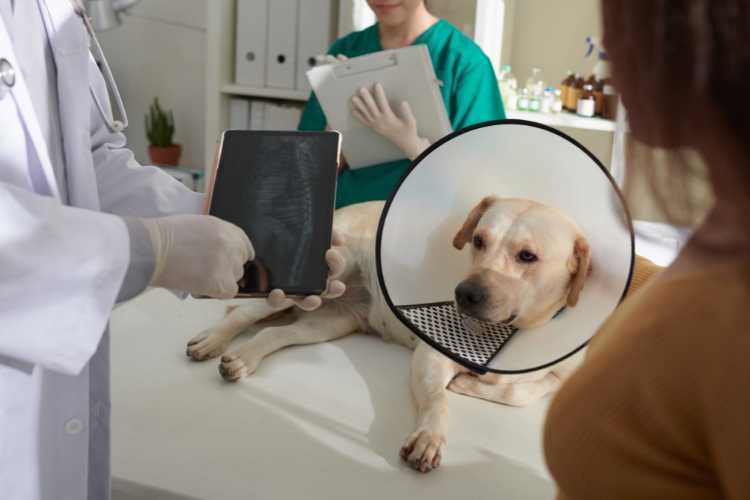
Pet surgery can feel overwhelming for many owners. Concerns about anesthesia, pain management, recovery time, and surgical risks often create stress before a procedure. Veterinary medicine has advanced significantly in recent years, leading to safer surgeries and improved outcomes for dogs and cats.
Modern veterinary surgery focuses on patient safety during every stage of care. Advanced monitoring systems, improved anesthesia protocols, better pain control, and modern surgical techniques all help reduce complications and support faster healing.
At TotalBond Veterinary Hospital, pets in Mooresville receive surgical care that prioritizes comfort, safety, and recovery. Understanding how veterinary surgery has evolved can help pet owners feel more informed when their companion needs a procedure.
Why Surgical Safety Matters for Pets
Every surgical procedure carries some level of risk. Veterinary teams work carefully to reduce complications before, during, and after surgery.
Advancements in veterinary medicine now allow veterinarians to identify health concerns earlier, monitor pets more closely, and improve recovery experiences.
Modern surgical safety protocols benefit pets undergoing many procedures, including:
- Spay and neuter surgery
- Dental surgery
- Gastropexy surgery
- Foreign body removal
- Splenectomy surgery
- Surgical oncology procedures
- Soft tissue surgery
- Orthopedic surgery
- Emergency surgery
Improved surgical care helps pets recover more comfortably while giving owners greater peace of mind.
1. Advanced Pre-Surgical Testing Helps Detect Hidden Risks
Pre-surgical screening has become one of the most important safety improvements in veterinary medicine, significantly reducing risks and enhancing patient outcomes.
Many pets appear healthy during routine exams, while hidden medical conditions remain undetected. Blood testing and diagnostic evaluations help identify concerns before anesthesia begins.
Pre-surgical testing may evaluate:
- Liver function
- Kidney function
- Blood sugar levels
- Hydration status
- Red and white blood cell counts
- Electrolyte balance
Early detection allows veterinary teams to adjust anesthesia plans and surgical protocols based on a pet’s individual health needs.
Senior pets especially benefit from pre-surgical diagnostics. Age-related conditions are often easier to manage when identified early.
2. Modern Anesthesia Is Safer and More Customized
Anesthesia safety has improved dramatically over the years. Veterinary teams now use anesthesia plans tailored to a pet’s age, breed, size, and medical history.
Modern anesthetic medications enable anesthesiologists to exert better control over patients’ anesthesia levels during surgery and recovery, ultimately improving safety, comfort, and outcomes.
Veterinarians carefully calculate medications to support:
- Stable heart rate
- Healthy blood pressure
- Proper oxygen levels
- Reduced stress and anxiety
- Smooth recovery after surgery
Customized anesthesia protocols help improve comfort and reduce surgical risks. Many pet owners worry most about anesthesia during surgery. Careful monitoring and individualized care now make anesthesia much safer for both dogs and cats.
3. Surgical Monitoring Equipment Tracks Vital Signs in Real Time
Advanced monitoring technology allows veterinary teams to observe pets throughout surgery closely. Monitoring equipment provides real-time information about a pet’s condition while the pet is under anesthesia.
Common monitoring tools may track:
- Heart rate
- Blood pressure
- Oxygen saturation
- Carbon dioxide levels
- Respiratory rate
- Body temperature
Continuous monitoring allows veterinary teams to respond quickly if changes occur during a procedure.
Temperature management has also improved surgical safety. Pets under anesthesia can lose body heat quickly, especially smaller dogs and cats. Warming systems help maintain safe body temperature during surgery and recovery.
4. Improved Pain Management Supports Faster Recovery
Pain control has become a major focus in modern veterinary medicine, as it is essential for improving animal welfare, ensuring better recovery outcomes, and advancing overall treatment standards within the profession.
Untreated pain can slow healing, increase stress, and delay recovery after surgery. Veterinary teams now use multimodal pain management strategies designed to keep pets more comfortable before, during, and after procedures.
Pain management plans may include:
- Injectable pain medications
- Anti-inflammatory medications
- Local anesthetics
- Oral medications for home care
- Laser therapy in some cases
Comfortable pets tend to recover more quickly from illnesses or injuries, often returning to their normal activity levels sooner and with less stress. Many owners notice pets resting more peacefully and regaining appetite faster when pain is well controlled.
5. Minimally Invasive Techniques Reduce Tissue Trauma
Modern surgical methods increasingly involve smaller incisions and less disruption to surrounding tissues, leading to faster recovery times and minimized postoperative discomfort.
Minimally invasive techniques may lead to:
- Less pain after surgery
- Reduced bleeding
- Faster healing
- Lower infection risk
- Shorter recovery periods
Certain procedures can now be performed using advanced tools that improve surgical precision.
Smaller surgical sites are especially beneficial for active pets that may struggle with long recovery periods.
6. Better Recovery Protocols Improve Healing
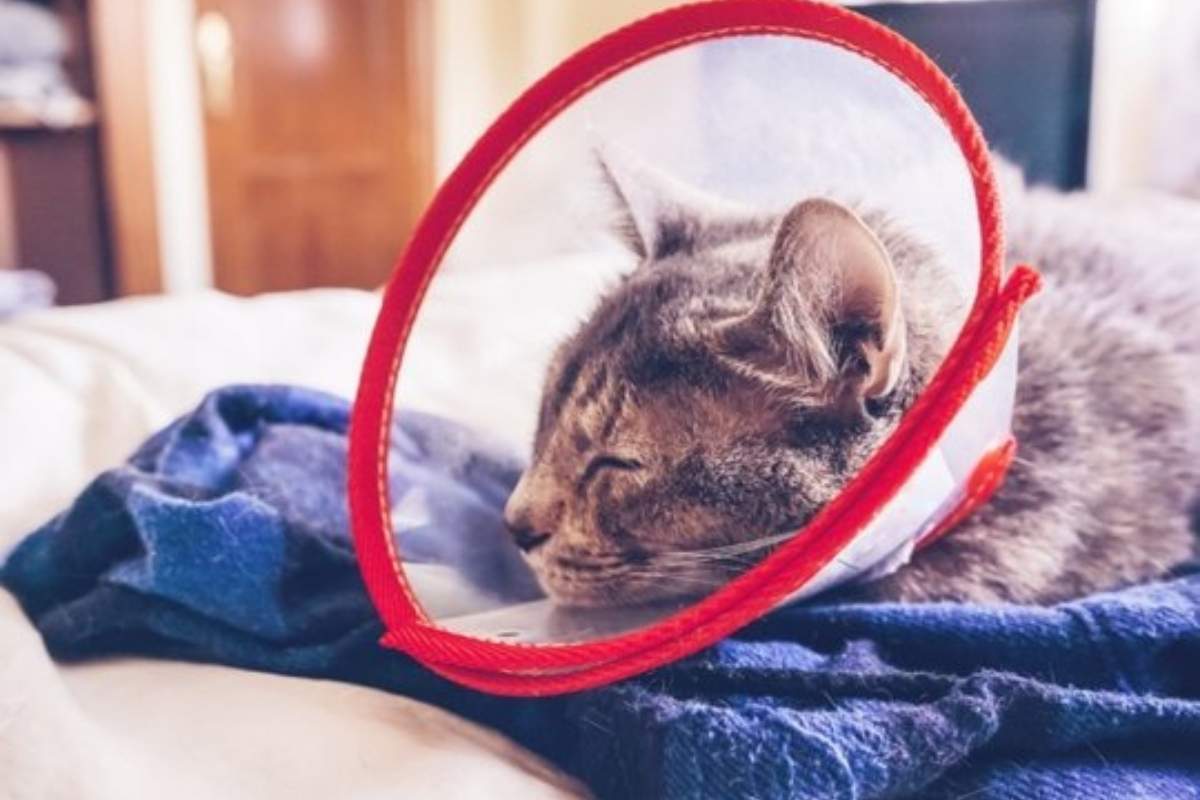
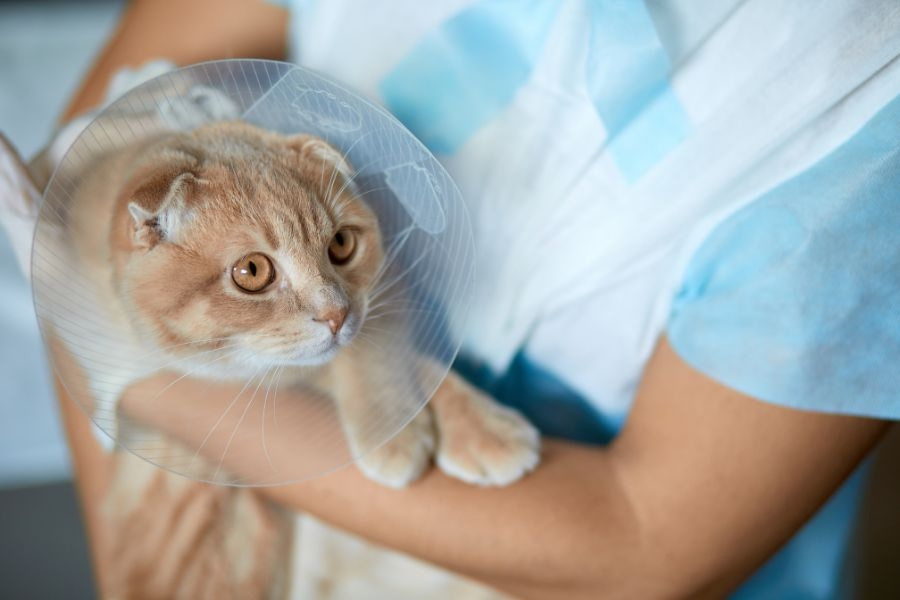
Recovery care plays a vital role in surgical success by ensuring proper healing, preventing complications, and promoting optimal patient outcomes.
Veterinary hospitals now use improved recovery protocols that focus on patient comfort, monitoring, and postoperative support.
Recovery teams carefully observe pets as they wake from anesthesia and monitor for complications such as:
- Pain
- Nausea
- Breathing concerns
- Swelling
- Bleeding
- Delayed recovery
Discharge instructions also help owners support safe healing at home by providing clear guidelines and tips for properly caring for their pet.
Post-surgical care may include:
- Medication schedules
- Activity restrictions
- Incision care guidance
- Nutritional recommendations
- Follow-up appointments
Clear recovery plans significantly reduce confusion for pet owners and caregivers, ensuring pets heal more comfortably and with less stress during their recovery period.
Common Surgeries That Benefit From Modern Safety Advancements
Modern surgical safety protocols support a wide range of veterinary procedures, ensuring increased patient safety, improved outcomes, and promoting adherence to best practices across various medical interventions.
Spay and Neuter Surgery
Routine sterilization procedures are safer today due to improved anesthesia monitoring and pain management techniques.
Dental Surgery
Dental procedures often involve anesthesia and oral surgery. Advanced monitoring helps protect pets during treatment.
Gastropexy Surgery
Preventive gastropexy surgery helps reduce the risk of gastric dilatation volvulus, commonly called bloat. Improved surgical techniques and careful monitoring have made this procedure safer for dogs that may be at higher risk for stomach twisting.
Foreign Body Removal Surgery
Pets sometimes swallow objects that create dangerous intestinal blockages. Toys, socks, bones, fabric, and other household items can become trapped in the digestive tract.
Symptoms may include:
- Vomiting
- Loss of appetite
- Abdominal discomfort
- Lethargy
- Constipation
Modern imaging tools and surgical advancements help veterinarians diagnose and remove foreign objects more safely while reducing recovery complications.
Splenectomy Surgery
Splenectomy surgery may be recommended for pets with splenic masses, internal bleeding, or traumatic injury.
Advanced anesthesia protocols, surgical monitoring, and recovery care help improve safety during complex abdominal procedures.
Surgical Oncology
Surgical oncology procedures focus on removing cancerous or suspicious growths while protecting surrounding healthy tissue whenever possible.
Earlier diagnosis and improved surgical planning often support better outcomes and recovery experiences for pets.
Orthopedic Surgery
Joint and bone surgeries benefit from improved imaging, anesthesia protocols, and postoperative pain management.
Emergency Surgery
Advanced monitoring and diagnostic tools allow veterinary teams to stabilize pets more effectively during urgent procedures.
How Pet Owners Can Help Improve Surgical Safety
Owners play an important role in helping pets prepare for surgery by providing comfort, following medical advice, and ensuring proper care before the procedure.
Some helpful steps include:
- Following fasting instructions carefully
- Sharing complete medical history information
- Reporting medications or supplements
- Monitoring pets closely after surgery
- Attending follow-up appointments
- Preventing excessive activity during recovery
Communication between veterinary teams and owners helps support safer outcomes.
Signs Your Pet May Need Surgical Evaluation
Not all surgical needs are emergencies. Early evaluation often leads to better outcomes and less invasive treatment options.
Pets may benefit from surgical consultation if they show signs such as:
- Persistent limping
- Difficulty eating
- Growths or lumps
- Chronic infections
- Repeated vomiting
- Injuries
- Difficulty urinating
- Severe dental disease
- Abdominal swelling
- Sudden weakness or collapse
Prompt veterinary care can help determine whether surgery is necessary.
Understanding the Emotional Side of Pet Surgery
Many owners feel nervous when their pet requires surgery. Questions about anesthesia safety, recovery time, and possible complications are common.
Modern veterinary medicine places strong emphasis on patient safety, careful monitoring, and individualized treatment plans. Veterinary teams work closely with owners to explain procedures, answer questions, and support pets throughout recovery.
Clear and effective communication throughout the surgical process often helps reduce patients’ stress and anxiety, leading to better overall experiences.
Easy Access to Veterinary Surgery
Pets can benefit from advancements that have made veterinary surgery safer and more effective than ever before. Modern surgical techniques, improved anesthesia protocols, advanced monitoring equipment, and comprehensive pain management all contribute to better outcomes for dogs and cats.
If your dog or cat may need surgical care in Mooresville, book an appointment with TotalBond Veterinary Hospital at Davidson to schedule a consultation. Our veterinary team can assess your pet’s needs, explain available treatment options, and provide compassionate surgical care focused on a safe and comfortable recovery.
Frequently Asked Questions
1. Is anesthesia safe for older pets?
Senior pets can often undergo anesthesia safely with proper pre-surgical testing, monitoring, and individualized care plans.
2. How long does recovery take after pet surgery?
Recovery time depends on the procedure and the pet’s overall health. Minor surgeries may require only a few days of recovery, while orthopedic procedures often need several weeks.
3. Why does my pet need blood work before surgery?
Blood work helps identify hidden medical conditions that could increase the risks of anesthesia or surgery.
4. How do veterinarians manage pain after surgery?
Pain management may include injectable medications, oral medications, anti-inflammatory treatments, and local anesthetics.
5. What should I watch for after my pet comes home from surgery?
Owners should monitor appetite, energy level, incision healing, swelling, vomiting, breathing changes, and signs of discomfort. Veterinary teams should be contacted if unusual symptoms develop.