
As pet owners, we always want what’s best for our furry friends. Their health and well-being are a priority, which is why regular veterinary visits are essential. However, just like humans, pets sometimes suffer from underlying conditions that are not immediately visible. This is where diagnostic care becomes crucial in ensuring that your pet stays healthy for years to come.
At TotalBond Veterinary Hospital at Davidson, we understand the importance of early diagnosis and the role it plays in providing the best care possible for your pet. This blog post will explain the significance of diagnostic care for your pet’s health and why it is essential to your pet’s overall well-being.
What is Pet Diagnostic Care?
Pet diagnostic care refers to a series of tests and evaluations conducted by your veterinarian to assess your pet’s health. These tests help in identifying hidden issues that might not show symptoms immediately but could develop into serious problems if left unchecked. Early detection of health problems gives veterinarians the opportunity to treat them before they become life-threatening.
Diagnostic care can include a variety of tests, such as blood work, urine tests, X-rays, ultrasounds, and other imaging techniques. By performing these tests, veterinarians can pinpoint health concerns that may not be noticeable through physical exams alone. This proactive approach can extend your pet’s life and improve its quality of living.
Why is Diagnostic Care Important for Your Pet?
- Early Detection of Health Issues
Many serious illnesses in pets, such as cancer, kidney disease, or diabetes, may not show symptoms until they have advanced. With pet diagnostic care, conditions can be detected in their early stages. This allows veterinarians to start treatment right away, improving the chances of successful treatment and recovery. - Preventive Health Care
Diagnostic care isn’t only about finding illnesses after they’ve developed—it’s also about preventing them. Regular check-ups and diagnostic testing give your veterinarian a better understanding of your pet’s overall health and can help identify potential risks. This helps in preventing conditions before they even start. - Improved Longevity
By identifying and addressing health concerns early, diagnostic care can help improve the life expectancy of your pet. With the right treatment at the right time, pets can enjoy a longer, healthier life. Whether it’s managing chronic conditions or catching illnesses early, diagnostic care is vital for maintaining a pet’s health. - Customized Treatment Plans
When an issue is detected through diagnostic care, veterinarians can create a personalized treatment plan tailored to your pet’s specific needs. This ensures that your pet receives the best possible care for their condition, helping them recover faster and more efficiently. - Peace of Mind for Pet Owners
As a pet parent, you want to ensure your furry friend is healthy and happy. Diagnostic care provides peace of mind, knowing that any health issues are being managed appropriately. You’ll also be able to make informed decisions about your pet’s care, understanding their condition and treatment options clearly.
Key Diagnostic Tools for Pet Health
- Blood Work
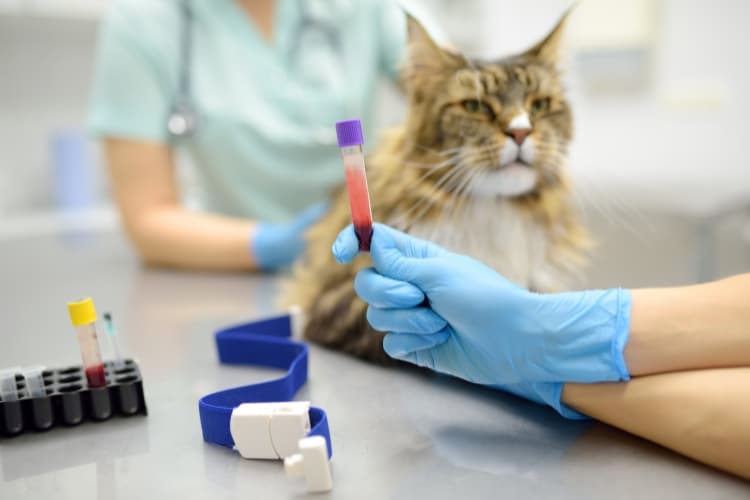
Blood tests are one of the most common diagnostic tools used by veterinarians. These tests can help assess organ function, detect infections, and evaluate the overall health of your pet. Blood work is crucial for diagnosing conditions such as liver disease, anemia, diabetes, and more. - X-rays and Imaging
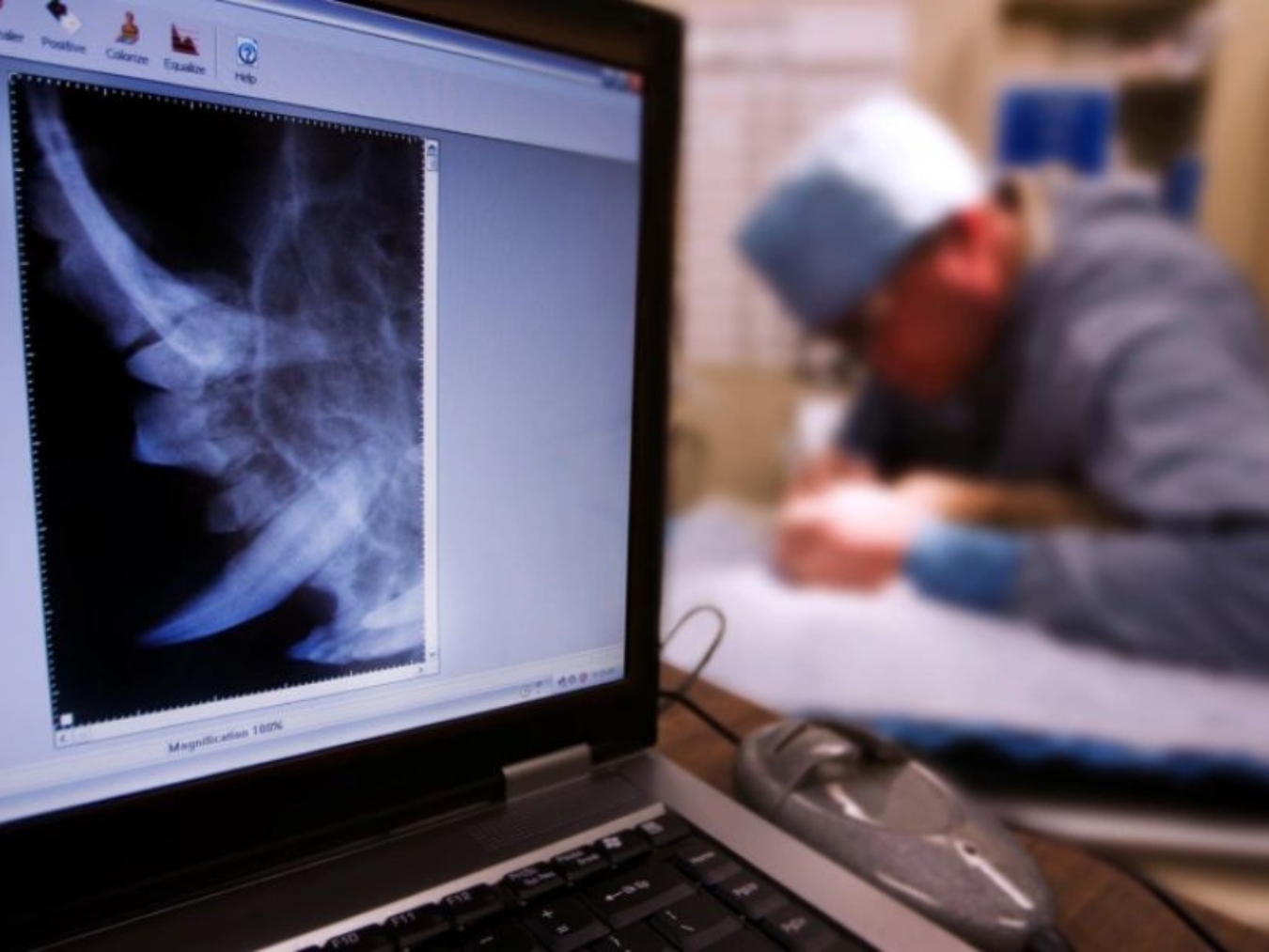
X-rays are essential for evaluating your pet’s bones, organs, and tissues. They are commonly used to diagnose bone fractures, arthritis, tumors, and other conditions affecting the chest, abdomen, and spine. Advanced imaging techniques like ultrasound and MRI may also be used for a more detailed view. - Urine Tests
Urine tests can provide valuable information about your pet’s kidney function and urinary system. They can help diagnose infections, kidney disease, and even diabetes. By analyzing the urine, veterinarians can also check for signs of dehydration or other metabolic issues. - Fecal Exams
A fecal exam helps detect gastrointestinal problems, such as parasitic infections, bacterial overgrowth, or even tumors. It’s a simple test that can provide a wealth of information about your pet’s digestive health. - Electrocardiograms (ECG)
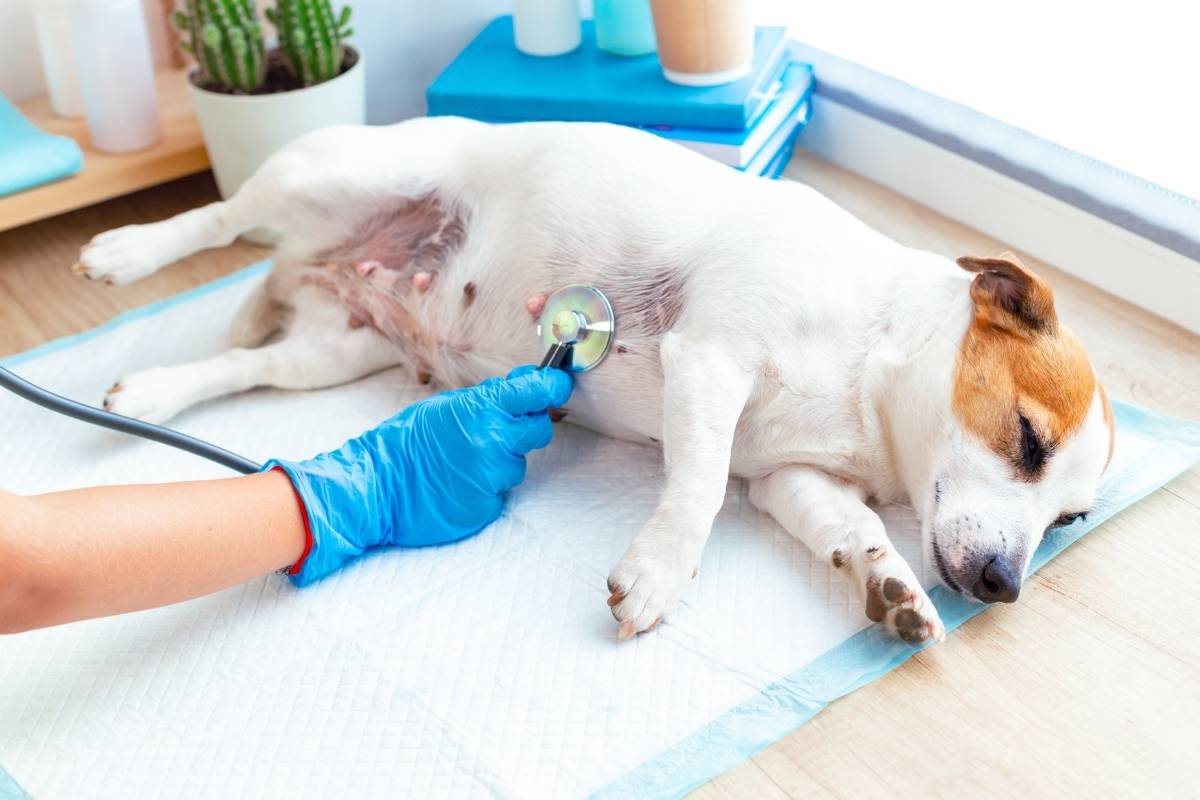
An ECG measures the electrical activity of your pet’s heart. It is used to diagnose heart conditions, including arrhythmias or irregular heartbeats. If your pet is showing signs of lethargy, difficulty breathing, or fainting, an ECG can help identify any underlying cardiac issues.
How Often Should Your Pet Have Diagnostic Care?
The frequency of diagnostic care depends on your pet’s age, breed, and health history. Puppies and kittens typically require regular vet visits for vaccinations, screenings, and overall health checks. As pets age, they may require more frequent diagnostic tests to monitor for any signs of illness or changes in their health.
For senior pets, routine diagnostic care is essential to catch age-related issues like arthritis, dental disease, and organ dysfunction. It is recommended to schedule a veterinary check-up at least once a year, or more often if your pet has any ongoing health concerns.
In conclusion, pet diagnostic care is an essential part of maintaining your pet’s health. Early detection of health issues, preventive care, and personalized treatment plans can help your pet live a longer, healthier life. Diagnostic care provides peace of mind for pet owners, knowing their furry friends are in good hands.
If you’re in Mooresville, and looking for pet diagnostic care near you, schedule an appointment with TotalBond Veterinary Hospital at Davidson. Our veterinary team is here to provide expert care and ensure your pet receives the best possible treatment.
FAQs
Q1. What is diagnostic care for pets?
Ans. Diagnostic care involves tests like blood work, X-rays, and urine tests to detect hidden health issues in pets. Early detection can improve treatment outcomes and ensure your pet’s health.
Q2. How often should my pet have diagnostic tests?
Ans. It depends on your pet’s age and health. Generally, pets should have a check-up at least once a year, and older pets may require more frequent diagnostic care.
Q3. What types of tests are included in pet diagnostic care?
Ans. Common tests include blood work, X-rays, urine tests, fecal exams, and electrocardiograms (ECG). These tests help identify various health conditions in pets.
Q4. Can diagnostic care prevent pet health issues?
Ans. Yes, diagnostic care can catch problems early before they develop into serious conditions. Regular testing helps prevent diseases and ensures your pet stays healthy.
Q5. Is diagnostic care expensive for pets?
Ans. The cost of diagnostic care can vary depending on the tests required. However, the peace of mind and health benefits your pet receives make it a worthwhile investment in their well-being.
Q6. What should I do if my pet shows signs of illness?
Ans. If your pet shows signs of illness, such as lethargy, vomiting, or changes in appetite, it’s important to schedule a veterinary appointment right away for diagnostic care and treatment.