Your cat keeps visiting the litter box, squatting for several minutes, and walking away without producing much urine. You might initially think your cat is constipated or having trouble getting comfortable. However, straining to urinate can indicate a serious urinary problem that requires immediate veterinary attention.
A urinary blockage occurs when something prevents urine from leaving the bladder. Without treatment, toxins and potassium can accumulate in the bloodstream, affecting the kidneys and heart. A complete blockage can become life-threatening within 24 to 48 hours, sometimes sooner.
Recognizing these warning signs can help you act before your cat’s condition worsens. At our veterinary practice in Lake Wylie, we understand how concerning sudden changes in your cat’s bathroom habits can be. Our vets can evaluate urinary symptoms, identify possible causes, and recommend appropriate treatment or emergency referral.
What Does It Mean When a Cat Strains to Urinate?
Straining to urinate means your cat repeatedly attempts to pass urine, often with little or no success. You may notice frequent litter box visits, prolonged squatting, or unusual discomfort.
This behavior can occur because of bladder inflammation, urinary crystals, bladder stones, or a urethral blockage. The urethra carries urine from the bladder outside the body. When this passage becomes obstructed, urine cannot flow normally.
Male cats face a higher risk of complete urinary blockages because their urethras are longer and narrower. However, urinary problems can affect cats of either sex. If your cat repeatedly strains without producing urine, seek emergency veterinary treatment immediately.
What Are the Warning Signs of a Urinary Blockage in Cats?
A blocked cat may initially show subtle behavioral changes. As the obstruction progresses, more serious symptoms can develop.
Frequent Litter Box Visits
Your cat may repeatedly enter the litter box, squat, and leave without producing urine. Some cats pass only a few drops despite several attempts.
Crying or Showing Pain While Urinating
Cats experiencing urinary discomfort may vocalize, strain, or appear restless. They may also change positions frequently while attempting to urinate.
Blood in the Urine
Pink or reddish urine can indicate inflammation, irritation, or another urinary problem. Blood does not necessarily indicate a blockage, but veterinary evaluation is necessary.
Excessive Genital Licking
Cats may repeatedly lick their genital area because of pain or irritation. This behavior becomes particularly concerning when accompanied by straining.
Vomiting, Weakness, or Loss of Appetite
As a blockage progresses, waste products accumulate in the bloodstream. Your cat may experience:
- Vomiting or nausea
- Reduced appetite
- Unusual tiredness
- Weakness or difficulty standing
- Hiding or avoiding interaction
- A painful or enlarged abdomen
These symptoms may indicate a serious medical emergency, particularly when your cat cannot urinate.
What Causes Urinary Blockages in Cats?
Several conditions can interfere with normal urine flow. Identifying the underlying cause helps veterinarians determine appropriate treatment.
Urethral Plugs
Urethral plugs contain minerals, mucus, and inflammatory material. They can become lodged inside the urethra, preventing urine from passing.
Bladder Stones
Mineral deposits sometimes develop inside the bladder. Certain stones may enter the urethra and obstruct urine flow.
Feline Idiopathic Cystitis
Feline idiopathic cystitis causes bladder inflammation without an identifiable underlying cause. Affected cats may experience painful urination, blood in the urine, and frequent litter box visits. Inflammation and associated material can sometimes contribute to urethral obstruction.
Urinary Tract Infections
Bacterial infections may cause urinary discomfort and inflammation. However, infections are less common than noninfectious urinary conditions in otherwise healthy younger cats. Diagnostic testing helps distinguish between these conditions.
When Should You Seek Urgent Pet Care for Your Cat?
A cat that cannot urinate needs immediate emergency veterinary treatment.
Seek veterinary attention without delay if your cat:
- Repeatedly strains without producing urine.
- Cries or appears distressed in the litter box.
- Has a swollen or painful abdomen.
- Vomits while experiencing urinary difficulties.
- Becomes weak, lethargic, or unresponsive.
- Produces only tiny amounts of urine despite repeated attempts.
Even when your cat passes a few drops, a partial blockage or another serious urinary condition may be present.
Never wait overnight to see whether a suspected urinary blockage resolves. Contact an emergency veterinary hospital immediately.
How Do Veterinarians Diagnose Urinary Problems in Cats?
Determining the cause of abnormal urination begins with a physical examination and an assessment of your cat’s symptoms.
Our vets may recommend several diagnostic procedures.
Physical Examination
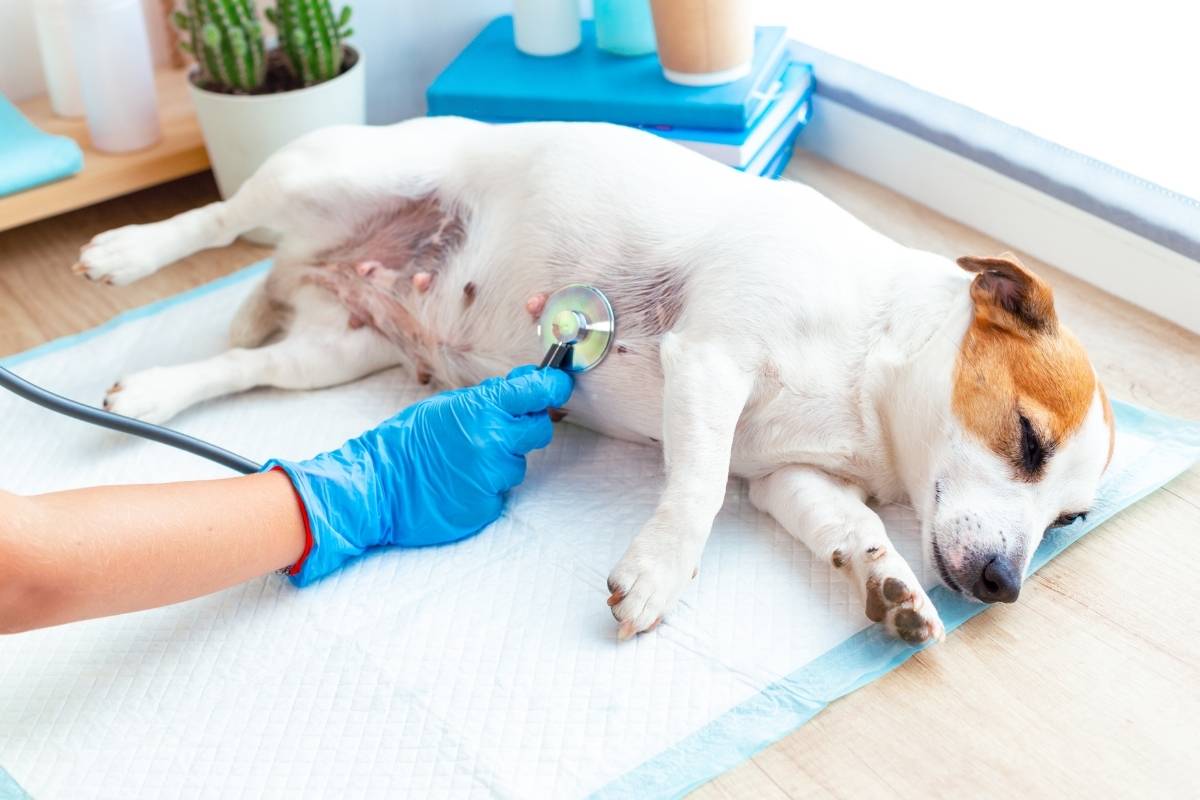
A veterinarian examines your cat’s abdomen and checks for a large, firm, painful bladder that may indicate an obstruction.
Urinalysis
Urine testing helps identify blood, inflammation, crystals, and other abnormalities. A urine culture may be recommended when infection is suspected.
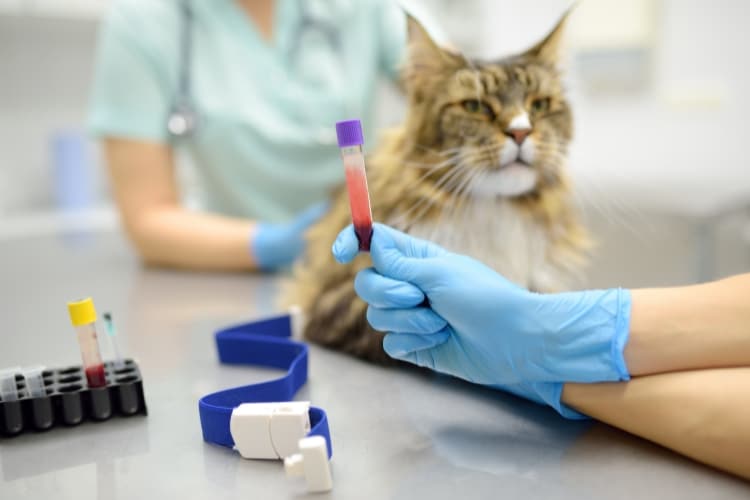
Blood Tests
Bloodwork evaluates kidney function and electrolyte levels. Elevated potassium is particularly concerning because it can cause dangerous heart rhythm disturbances.
Diagnostic Imaging
X-rays or ultrasound examinations may help identify bladder stones or other urinary tract abnormalities.
Our veterinary practice uses diagnostic findings to evaluate urinary concerns and determine appropriate treatment recommendations.
How Are Urinary Blockages Treated in Cats?
Treatment depends on the obstruction’s severity and your cat’s overall condition. A confirmed urinary blockage generally requires emergency intervention.
Veterinary treatment may involve:
- Stabilization: Intravenous fluids and medications help address dehydration and dangerous electrolyte abnormalities.
- Urinary catheterization: A catheter may be placed under sedation or anesthesia to relieve the obstruction.
- Pain management: Appropriate medication helps reduce discomfort during treatment and recovery.
- Hospital monitoring: Some cats require hospitalization to monitor urine production, kidney function, and electrolyte levels.
- Additional treatment: Bladder stones or recurring obstructions may require further medical or surgical care.
Following treatment, veterinary checkups help monitor recovery and identify problems that could contribute to another blockage.
When cats require advanced emergency treatment or continuous critical care, our team can help direct owners to an appropriate emergency facility.
Can You Prevent Urinary Problems in Cats?
Not every urinary blockage can be prevented. However, certain daily habits may help support urinary health.
Encourage Water Intake
Provide fresh water in several locations. Wet food or a pet water fountain may help increase water consumption.
Maintain Clean Litter Boxes
Provide one litter box per cat, plus one additional box. Keep them clean and place them in quiet, accessible areas.
Reduce Environmental Stress
Changes in routine and household conflicts may contribute to stress-related urinary problems. Provide hiding spaces, scratching surfaces, and regular play opportunities.
Follow Dietary Recommendations
Some cats benefit from prescription urinary diets, particularly when certain crystals or bladder stones are involved. Always consult your veterinarian before changing your cat’s diet.
Monitor Bathroom Habits
Pay attention to urine clump sizes, litter box frequency, and unusual behavior. These measures support urinary health but cannot resolve an existing blockage.
Don’t Ignore the Signs. Help Your Cat Get Relief.
Straining to urinate can indicate a serious urinary condition that puts your cat’s health at risk. Recognizing warning signs and seeking prompt veterinary attention can make a meaningful difference in your cat’s recovery.
At our veterinary practice in Lake Wylie, we help pet owners understand sudden urinary changes and determine appropriate next steps. Our team is committed to providing attentive veterinary care while supporting your cat’s long-term health.
If your cat is experiencing urinary difficulties, contact our veterinary practice at 803-831-1318. We offer same-day visits and welcome walk-ins during regular business hours. If your cat cannot urinate, seek emergency veterinary treatment immediately rather than waiting for an appointment.
Frequently Asked Questions
Q1. Can a Cat Still Urinate With a Partial Blockage?
Ans. Yes. A partially blocked cat may pass small amounts of urine while experiencing significant discomfort. However, a partial obstruction can become complete. Immediate veterinary evaluation is necessary.
Q2. How Long Can a Cat Survive Without Urinating?
Ans. A complete urinary blockage can become life-threatening within 24 to 48 hours, sometimes sooner. Dangerous electrolyte changes and kidney complications can develop rapidly. Seek emergency treatment immediately.
Q3. Can a Cat’s Urinary Blockage Resolve Naturally?
Ans. Never assume a urinary blockage will resolve without treatment. A complete obstruction requires emergency intervention. Delaying treatment can cause severe complications or death.
Q4. Where Can I Take My Cat for Urinary Problems in Lake Wylie?
Ans. TotalBond Veterinary Hospital at Bethel provides urgent pet care for cats experiencing urinary concerns in Lake Wylie. Our vets can assess symptoms and recommend diagnostic testing or treatment. Suspected complete blockages require immediate emergency attention.
Q5. Does TotalBond Veterinary Hospital at Bethel Accept Walk-Ins for Urinary Concerns?
Ans. Yes. TotalBond Veterinary Hospital at Bethel welcomes walk-ins and offers same-day urgent visits during regular business hours. Call ahead so our team can advise you. Cats unable to urinate should receive immediate emergency treatment.
Q6. Can Cat Owners From Clover or York Visit Your Veterinary Practice?
Ans. Yes. TotalBond Veterinary Hospital at Bethel welcomes cats from Lake Wylie, Clover, York, and surrounding communities. Our veterinary team evaluates urinary concerns and recommends appropriate treatment or emergency referrals when necessary.