
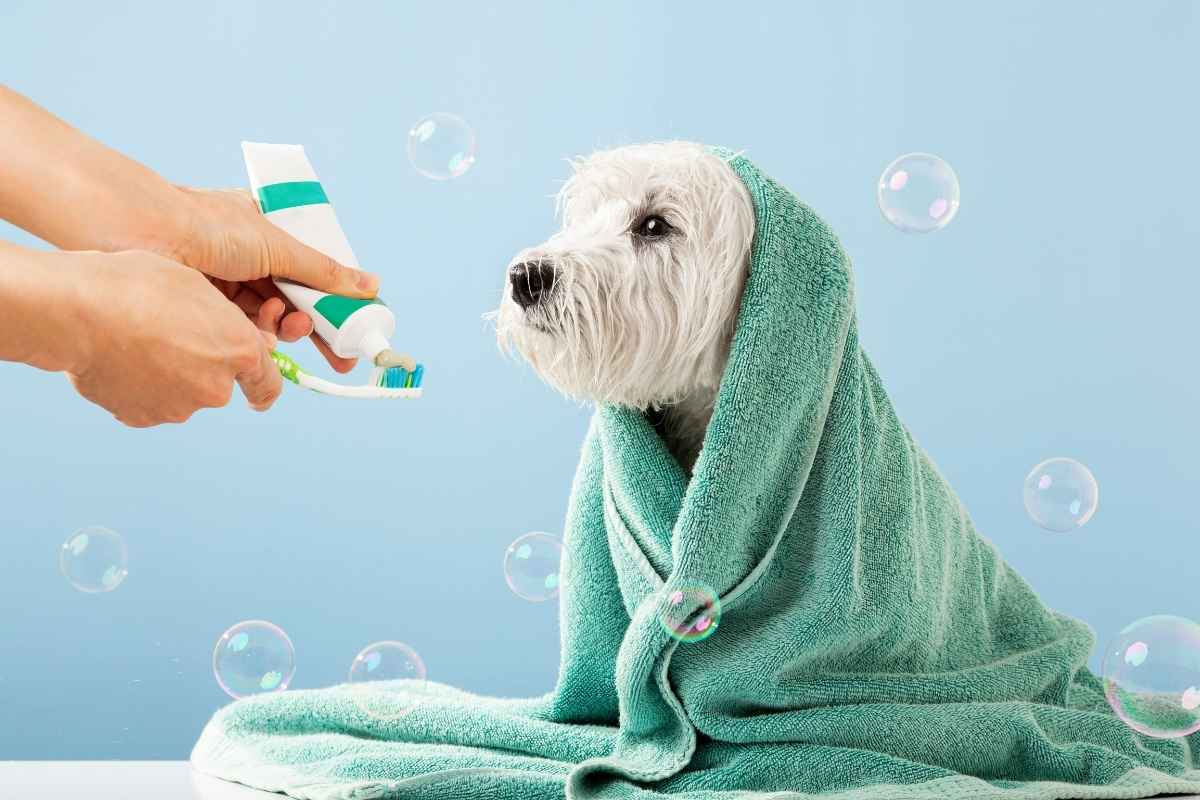
Dental disease is one of the most common health issues affecting dogs, yet many cases can be prevented with consistent home care. Brushing your dog’s teeth regularly is one of the most effective ways to reduce plaque buildup, freshen breath, and support long-term oral health.
This guide explores some of the best vet-recommended dog toothpaste and toothbrush brands, what features to look for, and how to create a successful dental care routine for your pet.
Why Dental Care Matters for Dogs
Many pet owners are surprised to learn that dental disease can begin at a relatively young age.
Poor oral hygiene may contribute to:
- Plaque buildup
- Tartar accumulation
- Gum inflammation
- Bad breath
- Tooth loss
- Oral discomfort
In severe cases, dental disease can even affect overall health and quality of life. Regular brushing remains one of the most effective dental care routines to reduce these risks.
What Makes a Good Dog Toothpaste?
Not all toothpaste products are created equal.
When selecting a dog toothpaste, look for products that are:
- Formulated specifically for dogs
- Safe if swallowed
- Designed to reduce plaque and tartar
- Available in pet-friendly flavors
Never use human toothpaste on dogs, as many ingredients can be harmful if swallowed.
Features to Look for in a Dog Toothbrush
The right toothbrush can make brushing easier and more effective.
Helpful features include:
- Soft bristles
- Angled brush heads
- Comfortable handles
- Appropriate size for your dog’s mouth
Some pet owners also find finger brushes useful for dogs that are new to brushing.
Popular Vet-Recommended Dog Toothpaste Brands
Virbac C.E.T. Enzymatic Toothpaste
This toothpaste is widely used because of its enzymatic formula and appealing flavors.
Benefits may include:
- Plaque control support
- Easy acceptance by many dogs
- No rinsing required
Petsmile Professional Dog Toothpaste
Petsmile is often recommended for routine oral hygiene.
Key features include:
- Easy application
- Plaque reduction support
- Multiple flavor options
Vet’s Best Dental Gel Toothpaste
This product contains a blend of ingredients designed to support oral health.
Pet owners often appreciate its simple application process and accessibility.
Nylabone Advanced Oral Care Toothpaste
Nylabone offers toothpaste formulas designed to help freshen breath while supporting daily dental maintenance.
Popular Dog Toothbrush Options
Dual Head Dog Toothbrushes
Dual-head brushes provide two brush sizes in one tool, making it easier to reach different areas of the mouth.
Finger Toothbrushes
Finger brushes can be useful for:
- Puppies
- Small dogs
- Dogs learning to accept brushing
They allow owners to maintain greater control during brushing sessions.
Triple Head Toothbrushes
These brushes are designed to clean multiple tooth surfaces simultaneously, potentially reducing brushing time.
How to Choose the Right Product for Your Dog
Every dog has unique preferences and needs.
Consider factors such as:
- Age
- Size
- Oral health status
- Sensitivity level
- Comfort with handling
Trying different combinations may help you find the most effective option for your pet.
How Often Should You Brush Your Dog’s Teeth?
Daily brushing provides the greatest benefit.
However, even brushing several times per week can help reduce plaque accumulation.
Consistency is more important than perfection.
Creating a routine often improves long-term success.
Tips for Introducing Tooth Brushing
Many dogs need time to adjust to oral care.
Start Slowly
Allow your dog to smell and taste the toothpaste before brushing.
Use Positive Reinforcement
Reward calm behavior with praise and treats.
Keep Sessions Short
Begin with brief sessions and gradually increase brushing time.
Focus on Comfort
Avoid forcing the process, especially during the early stages.
Signs Your Dog May Need Professional Dental Care
While home care is important, professional dental evaluations remain essential.
Watch for:
- Persistent bad breath
- Red or swollen gums
- Tartar buildup
- Loose teeth
- Difficulty eating
- Excessive drooling
These symptoms may indicate underlying dental disease that requires professional attention.
During routine oral health assessments, a veterinarian can identify concerns that may not be visible at home and recommend appropriate treatment if necessary.
Other Ways to Support Dental Health
Brushing works best when combined with other dental care strategies.
Helpful options include:
- Dental chews
- Dental diets
- Water additives
- Routine dental examinations
- Professional dental cleanings
A comprehensive approach often provides the best results.
Common Brushing Mistakes to Avoid
Avoid these common errors:
- Using human toothpaste
- Brushing too aggressively
- Skipping regular brushing sessions
- Ignoring signs of dental disease
- Waiting until problems develop
Preventive care is always easier than treating advanced dental disease.
A Healthy Smile Starts at Home
Regular brushing is one of the simplest and most effective ways to protect your dog’s oral health. Choosing a quality toothpaste and toothbrush, maintaining a consistent routine, and scheduling regular dental evaluations can help reduce plaque buildup and support healthier teeth and gums throughout your dog’s life.
For professional pet dental care and oral health services in Lake Wylie, book an appointment with TotalBond Veterinary Hospital at Bethel. Our team can help you create a personalized dental care plan to keep your pet’s smile healthy and comfortable.
FAQs
Q1: What is the best toothpaste for dogs?
Ans. Many veterinary professionals recommend dog-specific products such as enzymatic toothpastes that help reduce plaque and support oral health.
Q2: Can I use human toothpaste on my dog?
Ans. No. Human toothpaste often contains ingredients that may be harmful if swallowed by dogs.
Q3: How often should I brush my dog’s teeth?
Ans. Daily brushing is ideal, but brushing several times per week can still provide significant dental benefits.
Q4: Are finger toothbrushes effective for dogs?
Ans. Yes. Finger brushes can be useful for puppies, small dogs, and pets that are new to tooth brushing.
Q5: Does my dog still need professional dental cleanings if I brush regularly?
Ans. Yes. Regular brushing supports oral health, but professional dental evaluations and cleanings remain important for preventing and managing dental disease.