

If your dog’s bloodwork shows elevated liver enzymes, it is understandable to feel concerned. However, high liver enzymes do not automatically mean your dog has liver failure or irreversible liver disease. These values are indicators that can help a veterinarian determine whether further investigation is needed.
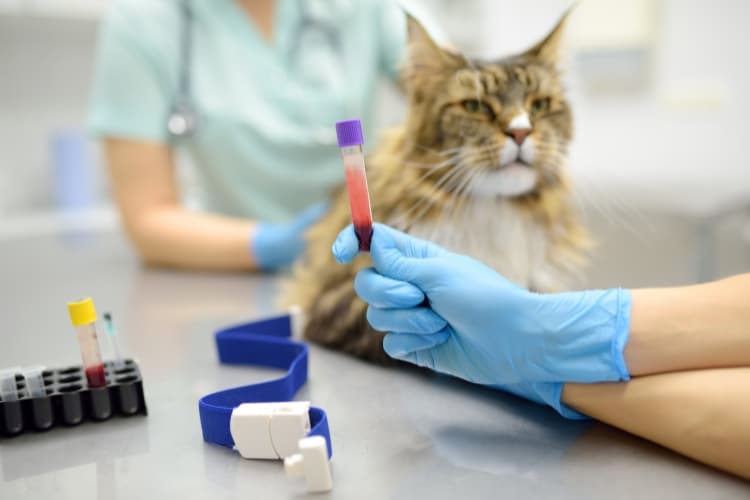
The liver performs many essential functions, including processing nutrients, producing proteins, supporting digestion, storing energy, and helping the body process certain substances. When liver cells are injured, bile flow is affected, or another condition influences the liver, enzyme levels may rise.
TotalBond Veterinary Hospital at Bethel helps pet owners understand abnormal bloodwork and determine appropriate next steps through individualized veterinary evaluation and diagnostic care in Lake Wylie.
What Are Liver Enzymes?
Liver enzymes are proteins that help perform various chemical processes within the body. Blood tests commonly measure several enzymes when evaluating a dog’s liver and related systems.
The most commonly discussed enzymes include:
- ALT (alanine aminotransferase): Often increases when liver cells are damaged or irritated.
- ALP (alkaline phosphatase): Can increase with certain liver and gallbladder conditions, but also with some medications and other non-liver-related processes.
- AST (aspartate aminotransferase): Can be associated with liver injury but is also found in muscles and other tissues.
- GGT (gamma-glutamyl transferase): May increase with certain conditions involving the liver or bile ducts.
These enzymes do not all provide the same information. A veterinarian considers the specific enzyme, how high the value is, whether multiple enzymes are elevated, and how the results compare with previous bloodwork.
Why Are Liver Enzymes High in Dogs?
There are many possible causes of elevated liver enzymes. Some are relatively mild or temporary, while others require prompt investigation.
1. Medication Effects
Certain medications can cause liver enzymes to increase. Corticosteroids, anticonvulsants, and other drugs may affect liver enzyme levels in some dogs.
An elevated result does not necessarily mean that a medication is harming the liver. Instead, your veterinarian may consider whether the medication could explain the laboratory changes and whether monitoring or adjustment is appropriate.
Never stop a prescribed medication without veterinary guidance.
2. Liver Inflammation or Disease
Inflammation of the liver can increase certain enzyme levels. Causes may include infections, immune-mediated conditions, toxins, metabolic disorders, or other underlying diseases.
Some liver conditions produce few noticeable symptoms during their early stages, which is one reason routine bloodwork can be valuable.
3. Gallbladder or Bile Duct Problems
The liver and gallbladder work closely together. Conditions that interfere with normal bile movement can affect liver-related bloodwork.
Gallbladder inflammation, bile duct obstruction, gallstones, or other biliary problems may contribute to elevated enzymes.
Dogs with these conditions may develop vomiting, reduced appetite, abdominal discomfort, jaundice, or other signs, although symptoms vary.
4. Cushing’s Disease
Hyperadrenocorticism, commonly called Cushing’s disease, causes excessive production of cortisol or exposure to corticosteroid medications.
Dogs with naturally occurring Cushing’s disease frequently have increased ALP levels. Other signs may include increased thirst and urination, increased appetite, panting, muscle weakness, and changes in the skin or coat.
An elevated ALP alone cannot diagnose Cushing’s disease. Additional testing is required when the condition is suspected.
5. Pancreatic or Gastrointestinal Disease
Problems outside the liver can sometimes affect liver enzyme results.
For example, inflammation involving the pancreas or gastrointestinal tract may occur alongside changes in liver-related bloodwork. Because multiple organs interact closely, veterinarians interpret blood results together rather than focusing on one number in isolation.
6. Toxins or Ingestion of Harmful Substances
Certain toxins can damage the liver or interfere with normal liver function. The risk depends on the substance, amount, duration of exposure, and individual dog.
If you suspect your dog has ingested something potentially toxic, do not wait for laboratory abnormalities or symptoms to appear before seeking veterinary guidance.
7. Age-Related or Benign Changes
Some dogs, particularly older dogs, may develop elevated liver enzymes without having severe liver dysfunction.
For example, ALP can increase for several reasons that do not necessarily indicate primary liver disease. Breed, age, medications, endocrine conditions, and other health factors can influence results.
That is why a mildly abnormal test does not automatically equal a serious diagnosis.
Does a High Liver Enzyme Mean Liver Failure?
No. This is one of the most important distinctions for dog owners to understand.
Elevated liver enzymes indicate that something may be affecting the liver or related systems. They do not, by themselves, measure how well the liver is performing all of its functions.
A veterinarian may evaluate additional markers to assess liver function and overall health. Depending on the situation, these may include bilirubin, albumin, glucose, cholesterol, bile acids, blood clotting parameters, and other laboratory findings.
The severity of an enzyme elevation also does not always correspond directly to the severity of liver disease.
A dog with a dramatic enzyme increase may not have complete liver failure, while another dog with less dramatic abnormalities could have a significant underlying condition.
What Symptoms Can Accompany High Liver Enzymes?
Some dogs with elevated liver enzymes have no obvious symptoms. Others may develop signs associated with the underlying condition.
Potential symptoms include:
- Reduced appetite
- Vomiting
- Diarrhea
- Weight loss
- Increased thirst
- Increased urination
- Lethargy
- Abdominal discomfort
- Yellowing of the gums, skin, or whites of the eyes
- Increased abdominal size
- Changes in behavior
- Excessive drooling
More serious liver dysfunction can affect the nervous system and cause signs such as disorientation, unusual behavior, weakness, tremors, or seizures.
Any significant change in your dog’s health warrants veterinary attention, especially when multiple symptoms occur together.
What Happens After High Liver Enzymes Are Found?
The next step depends on your dog’s health, medical history, enzyme levels, and other laboratory results.
Your veterinarian may begin by reviewing:
- Current and previous bloodwork
- Medications and supplements
- Diet
- Vaccination and preventive-care history
- Previous illnesses
- Possible toxin exposure
- Appetite and weight changes
- Drinking and urination patterns
- Vomiting or diarrhea
- Changes in behavior
Comparing current bloodwork with previous results can be particularly useful. A stable, mildly elevated value may have a different significance than a rapidly increasing enzyme level.
What Tests May Be Recommended?
Additional testing depends on what the initial results suggest.
Repeat Bloodwork
Sometimes your veterinarian may recommend repeating bloodwork after a specific period. This can show whether enzyme levels are increasing, decreasing, or remaining stable.
Urinalysis
A urine test can provide additional information about hydration, kidney function, glucose metabolism, infection, and other conditions that may influence the overall assessment.
Bile Acids Testing
Bile acids testing may help evaluate liver function and blood flow through the liver in appropriate cases.
Abdominal Ultrasound
An ultrasound can provide information about the liver, gallbladder, pancreas, and other abdominal organs. It may help identify structural abnormalities, inflammation, masses, or changes in the biliary system.
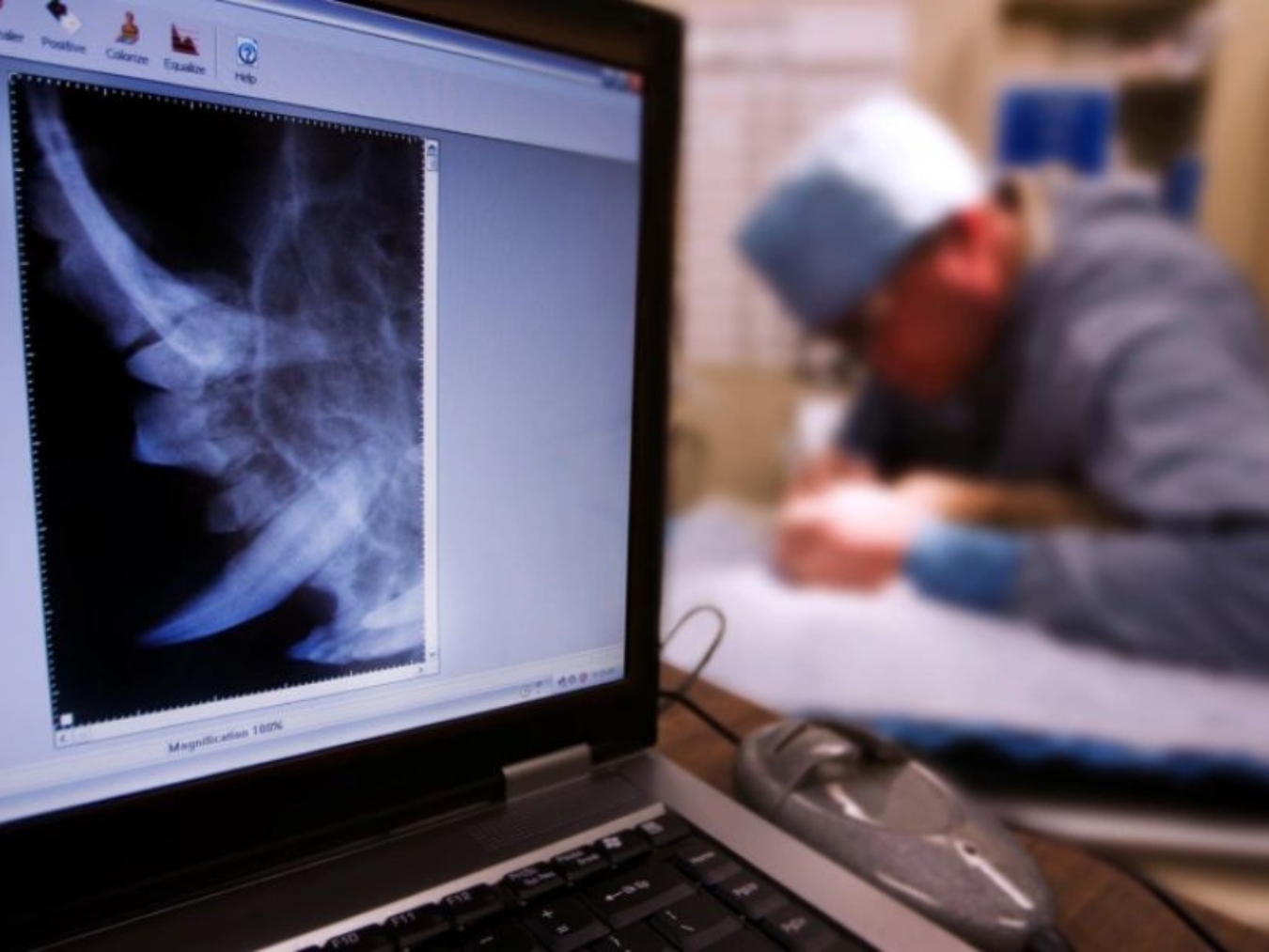
X-Rays
Radiographs may sometimes be useful for evaluating the size or position of abdominal organs and identifying other abnormalities.
Specialized Testing
Depending on the suspected cause, your veterinarian may recommend endocrine testing, infectious disease testing, coagulation testing, or other specialized diagnostics.
In selected cases, a liver biopsy may be considered to determine the nature of liver disease more precisely.
How Are High Liver Enzymes Treated?
There is no single treatment for elevated liver enzymes because the appropriate approach depends on the underlying cause.
Treatment may involve:
- Adjusting a medication under veterinary supervision
- Managing an endocrine disorder
- Treating an infection
- Addressing gallbladder or bile duct disease
- Providing nutritional support
- Treating gastrointestinal or pancreatic disease
- Managing toxin exposure
- Providing supportive liver care when appropriate
- Monitoring bloodwork over time
The objective is not simply to lower an enzyme number. Instead, treatment focuses on identifying and addressing the condition responsible for the abnormal results.
Can Diet Help a Dog With High Liver Enzymes?
Nutrition can play an important role in managing certain liver conditions, but there is no universal “liver diet” that is appropriate for every dog with elevated enzymes.
Some dogs may benefit from a therapeutic diet based on the specific liver disorder, nutritional status, and other health conditions.
Do not make major dietary changes or add supplements without discussing them with your veterinarian. Certain supplements can interact with medications or may not be appropriate for dogs with particular liver conditions.
When Are High Liver Enzymes an Urgent Concern?
High liver enzymes discovered during routine bloodwork do not always require immediate treatment. However, concerning symptoms should not be ignored.
Contact a veterinarian promptly if your dog develops:
- Persistent vomiting
- Severe weakness or collapse
- Refusal to eat
- Yellow gums or eyes
- Significant abdominal swelling
- Severe abdominal pain
- Disorientation
- Tremors or seizures
- Sudden major behavioral changes
These signs can occur with serious underlying conditions and require professional assessment.
How Can Pet Owners Support Liver Health?
You cannot prevent every liver condition, but several general health practices can support your dog’s overall well-being.
Keep your dog at a healthy weight, provide a balanced diet, maintain recommended preventive care, and give medications only as directed. Keep potentially harmful substances out of reach and tell your veterinarian about every medication, supplement, and over-the-counter product your dog receives.
Regular wellness examinations can also help identify health changes before they become more advanced.
When to Schedule a Veterinary Evaluation
An abnormal blood test is a reason to investigate, not a reason to panic. The most useful next step is to understand why your dog’s liver enzymes are elevated and whether the results indicate a temporary change, an underlying disease, or a condition that requires ongoing monitoring.
High liver enzymes in dogs can have many causes, ranging from medication effects and endocrine conditions to liver, gallbladder, gastrointestinal, or pancreatic disease. Because enzyme elevations alone cannot establish a diagnosis, veterinarians consider the complete clinical picture before recommending further testing or treatment.
For pet owners in Lake Wylie, SC, understanding the results and following up appropriately can help identify potential problems sooner and guide effective care. Rather than focusing on one abnormal number, work with your veterinary team to monitor trends, investigate possible causes, and address your dog’s overall health.
Schedule your appointment with TotalBond Veterinary Hospital at Bethel if you have questions about abnormal bloodwork or changes in your dog’s health.
Frequently Asked Questions:
Q1. What does it mean if my dog’s liver enzymes are high?
Ans: High liver enzymes mean that one or more enzymes measured on bloodwork are above the laboratory’s reference range. This can happen because of liver-cell injury, bile flow problems, medications, endocrine disease, or conditions affecting other organs. An elevated result does not automatically mean liver failure. Your veterinarian will interpret the values alongside symptoms, medical history, and other test results.
Q2. Are high liver enzymes in dogs always serious?
Ans: No. Mild or moderate elevations can occur for several reasons, including medications, age-related changes, endocrine disorders, or temporary illness. However, significant or persistent abnormalities deserve investigation. The importance of the result depends on which enzymes are elevated, how high they are, whether the values are changing, and whether your dog has other symptoms.
Q3. Can medications cause elevated liver enzymes in dogs?
Ans: Yes. Certain medications can increase liver enzyme levels, and some can affect liver function. Corticosteroids and some anticonvulsant medications are examples that may influence liver-related bloodwork. However, an elevated enzyme does not automatically mean a medication should be discontinued. Always discuss abnormal results with your veterinarian before changing or stopping prescribed treatment.
Q4. What symptoms should I watch for if my dog has high liver enzymes?
Ans: Some dogs show no symptoms, while others may develop reduced appetite, vomiting, diarrhea, weight loss, increased thirst or urination, lethargy, abdominal discomfort, or jaundice. Severe liver dysfunction can sometimes cause neurological signs such as confusion, unusual behavior, tremors, or seizures. Any significant or rapidly developing symptoms should receive prompt veterinary attention.
Q5. What tests are used to find the cause of high liver enzymes?
Ans: Depending on the individual case, a veterinarian may recommend repeat bloodwork, urinalysis, bile acids testing, abdominal ultrasound, radiographs, endocrine testing, infectious disease testing, or other specialized diagnostics. In selected cases, a liver biopsy may be needed. The appropriate tests depend on the dog’s age, symptoms, medical history, and specific laboratory abnormalities.
Q6. Can high liver enzymes in dogs return to normal?
Ans: Sometimes. If an underlying cause is temporary or successfully treated, liver enzyme levels may decrease or return to the reference range. However, some chronic liver or endocrine conditions require long-term monitoring and management. Your veterinarian may recommend repeat bloodwork to track trends rather than relying on one test result.