
Pets cannot tell us when something feels wrong. In many cases, they may continue eating, playing, and interacting normally even while a health problem develops internally. That is why regular veterinary examinations and timely diagnostic testing play such an important role in protecting a pet’s long-term health.
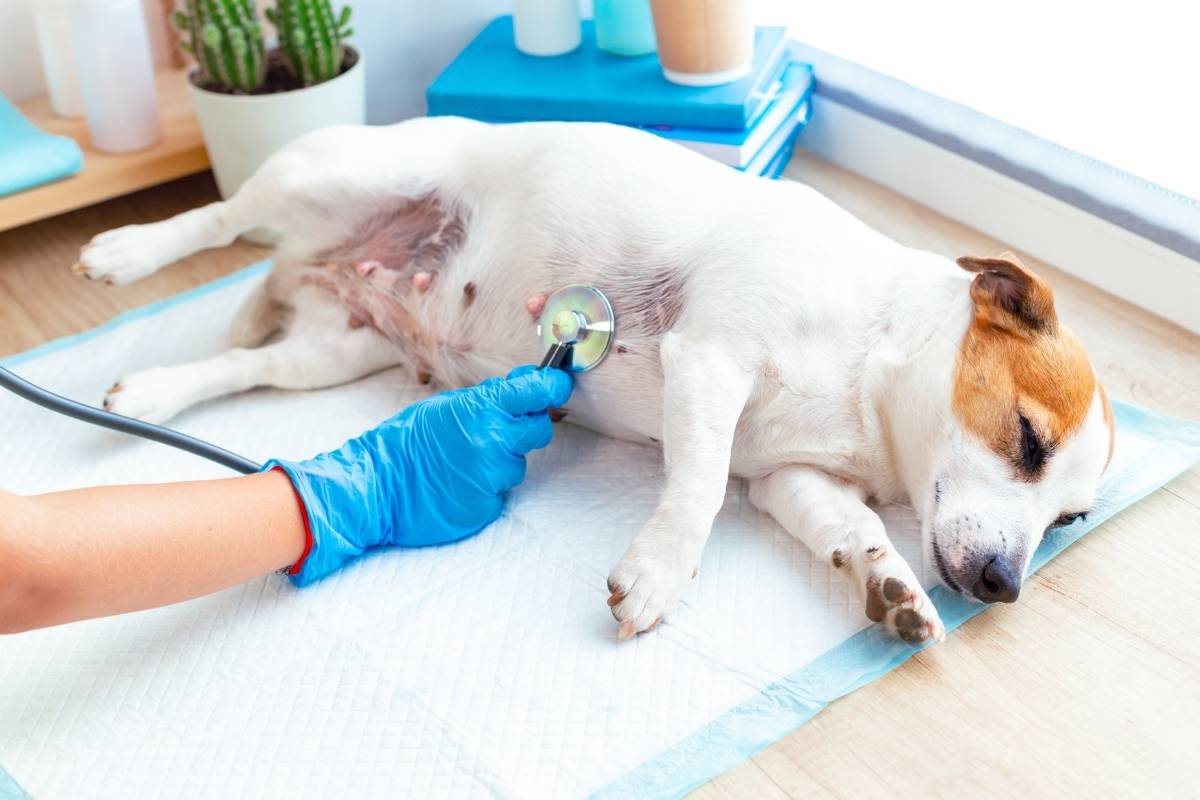
Early detection gives veterinarians valuable information about what is happening inside the body. Blood tests, urine testing, fecal examinations, digital imaging, and other diagnostic tools can reveal changes that may not be visible during a physical examination alone. As a result, veterinarians can investigate concerns sooner and develop appropriate treatment plans.
For pet owners, understanding the value of diagnostic medicine can make it easier to recognize why recommended testing matters. Whether your companion is young, adult, or senior, proactive healthcare can make a meaningful difference in their comfort and quality of life. This guide explains the importance of early diagnosis for families caring for pets in Mooresville.
Pet Diagnostic Care Supports Earlier Detection
When a veterinarian recommends pet diagnostic care, the goal is not always to confirm that something is wrong. Diagnostic testing can also establish a health baseline, monitor an existing condition, or provide important information before symptoms become obvious.
Pets often hide discomfort instinctively. Consequently, conditions can progress without clear warning signs.
Diagnostic testing can help veterinarians identify:
- Changes in organ function
- Infections
- Inflammation
- Anemia
- Urinary problems
- Parasites
- Hormonal disorders
- Metabolic conditions
- Internal abnormalities
Finding these changes early gives pet owners and veterinary teams more time to consider appropriate options.
Why Pets May Hide Signs of Illness
Dogs and cats often behave differently from humans when they become sick. A pet may instinctively hide weakness or discomfort, especially during the early stages of an illness.
For example, a pet with an emerging medical problem might only show subtle changes such as:
- Sleeping more than usual
- Drinking slightly more water
- Losing a small amount of weight
- Eating less
- Moving more slowly
- Becoming less social
- Developing changes in bathroom habits
These signs can easily go unnoticed because they may appear gradually.
Furthermore, some internal conditions produce no obvious symptoms at first. Routine diagnostic testing therefore provides another way to monitor health when outward behavior appears normal.
Routine Blood Testing Can Reveal Hidden Changes
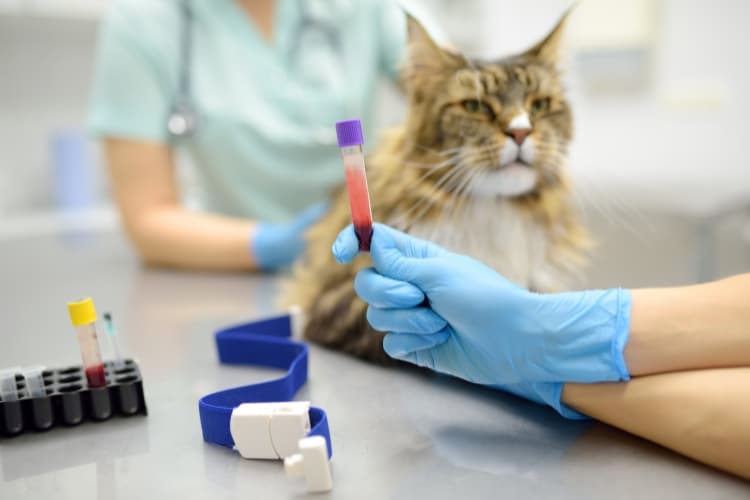
Blood testing is one of the most useful diagnostic tools in veterinary medicine. A small blood sample can provide information about several aspects of your pet’s health.
Depending on the tests performed, blood work may help evaluate:
- Red and white blood cells
- Platelet levels
- Liver function
- Kidney function
- Blood sugar
- Electrolytes
- Protein levels
- Immune response
For example, abnormal kidney or liver values may appear before a pet develops noticeable symptoms. Early identification allows veterinarians to investigate further and determine whether additional monitoring or treatment is necessary.
Blood testing can also establish baseline values for healthy pets. Later, veterinarians can compare new results with previous results to identify meaningful changes.
Urine Testing Provides Important Health Information
Urinalysis provides another valuable look at your pet’s internal health. It can help evaluate the urinary system while also providing clues about other conditions.
A urine sample may help veterinarians assess:
- Hydration
- Kidney function
- Urinary tract infections
- Blood in the urine
- Glucose levels
- Protein levels
- Urine concentration
Because urine testing can reveal changes that physical examinations may not detect, veterinarians may recommend it during routine wellness visits or when a pet develops concerning symptoms.
Fecal Testing Helps Detect Parasites
Parasites can affect pets of all ages. Some intestinal parasites may cause digestive problems, while others produce few noticeable symptoms.
Fecal examinations help veterinarians look for evidence of intestinal parasites and other abnormalities.
Regular testing becomes especially important for:
- Puppies and kittens
- Pets that spend time outdoors
- Pets that interact with other animals
- Pets with digestive symptoms
- Pets with unknown medical histories
Early identification allows appropriate treatment to begin sooner and helps reduce the risk of complications.
Diagnostic Imaging Helps Veterinarians See Beneath the Surface
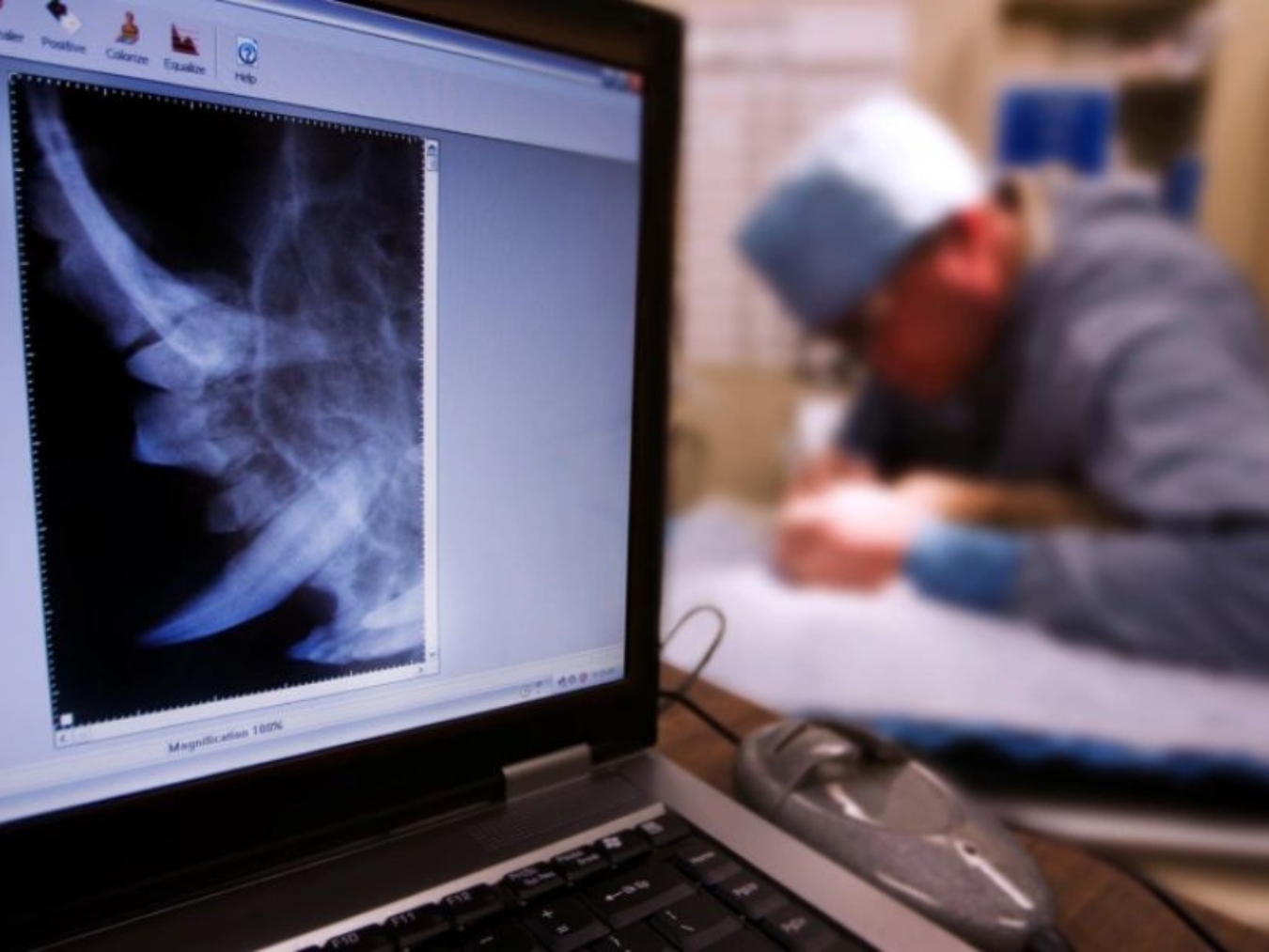
Sometimes laboratory testing is not enough to identify the source of a problem. In these situations, diagnostic imaging can provide valuable visual information.
Depending on the medical concern, veterinarians may use imaging techniques such as:
- Digital X-rays
- Ultrasound
- Other specialized imaging methods
X-rays can help evaluate bones, the chest, and certain abdominal structures. Ultrasound can provide detailed images of soft tissues and internal organs.
For instance, imaging may help investigate unexplained vomiting, abdominal discomfort, breathing changes, injuries, or unusual physical examination findings.
Early Detection Can Improve Treatment Options
One of the biggest advantages of finding disease early is the opportunity to address a condition before it becomes advanced.
When veterinarians identify a problem early, they may have more treatment options available. Depending on the condition, early intervention can also:
- Reduce discomfort
- Prevent complications
- Slow disease progression
- Improve treatment response
- Support faster recovery
- Improve quality of life
However, every medical condition is different. Diagnostic results help veterinarians determine the most appropriate next steps for each individual pet.
Senior Pets Benefit From Regular Diagnostic Screening
As pets age, their risk of developing certain health conditions increases. Senior animals may experience changes involving their kidneys, liver, heart, thyroid, joints, or other body systems.
Unfortunately, many age-related diseases begin gradually.
Routine diagnostic screening can help veterinarians monitor older pets more closely. Comparing test results over time can also reveal small changes that might otherwise go unnoticed.
Senior pets may benefit from diagnostic testing as part of regular wellness monitoring, even when they appear healthy at home.
Diagnostic Testing Helps Monitor Existing Conditions
Diagnostic medicine does not only help identify new problems. It also helps veterinarians manage conditions that have already been diagnosed.
For example, pets receiving treatment for a chronic condition may need periodic testing to determine whether:
- The condition remains stable
- Treatment is working
- Medication adjustments are necessary
- New complications have developed
- Organ function remains healthy
Regular monitoring allows veterinarians to make informed decisions instead of relying solely on visible symptoms.
Establishing a Health Baseline Matters
Healthy pets can benefit from diagnostic testing too.
Baseline results provide veterinarians with a reference point for future comparisons. If your pet becomes ill later, previous results can help the veterinary team determine what has changed.
For example, a value that falls within a normal range may be typical for one pet but unusual for another. Having previous results available provides additional context.
Therefore, routine testing can become a valuable part of your pet’s long-term medical record.
Watch for Changes at Home
Diagnostic testing works best when combined with careful observation at home. Pet owners see their companions every day and may notice changes before anyone else.
Pay attention to:
- Appetite
- Water consumption
- Energy levels
- Weight
- Bathroom habits
- Breathing
- Mobility
- Grooming behavior
- Sleep patterns
- Social interaction
If you notice a persistent or unusual change, contact your veterinary team. Even seemingly minor changes may provide useful information when combined with examination findings and diagnostic results.
Preventive Testing Can Support Long-Term Wellness
Diagnostic medicine is not limited to sick pets. Preventive testing can help identify hidden health concerns before they significantly affect quality of life.
Regular screening may be particularly valuable for pets that:
- Are entering their senior years
- Have a family history of certain conditions
- Take long-term medications
- Have chronic health problems
- Experience recurring symptoms
- Have recently experienced unexplained changes
Your veterinarian can recommend testing based on your pet’s individual risk factors.
Personalized Diagnostics Lead to Better Decisions
Every pet has different healthcare needs. Veterinarians consider age, breed, lifestyle, medical history, symptoms, and physical examination findings when deciding which diagnostic tests may provide useful information.
This individualized approach helps avoid unnecessary testing while focusing attention on the areas most relevant to your pet.
Additionally, veterinarians can explain what each test evaluates and discuss what the results may mean. Understanding the purpose of testing helps pet owners make informed healthcare decisions.
How TotalBond Veterinary Hospital at Davidson Supports Diagnostic Needs
TotalBond Veterinary Hospital at Davidson provides veterinary services designed to help identify and manage health concerns at different stages of a pet’s life. Diagnostic evaluation can provide the veterinary team with important information when a pet develops symptoms or requires ongoing health monitoring.
By combining physical examinations with appropriate diagnostic tools, the veterinary team can develop a clearer understanding of your companion’s condition and determine suitable next steps.
This comprehensive approach helps support informed decisions and personalized veterinary care.
Early detection can make a significant difference in your pet’s health and quality of life. Because animals often hide early signs of illness, regular examinations and appropriate diagnostic testing provide valuable information that may not be apparent at home. Blood work, urinalysis, fecal testing, and diagnostic imaging can help veterinarians uncover hidden problems, monitor existing conditions, and make informed treatment decisions.
At TotalBond Veterinary Hospital at Davidson, diagnostic services support a proactive approach to veterinary medicine. If you notice changes in your pet’s behavior, appetite, energy, weight, or bathroom habits, do not wait for the problem to worsen. Contact the veterinary team to discuss whether an examination or diagnostic testing is appropriate. For compassionate, comprehensive veterinary support in Mooresville, schedule an appointment with TotalBond Veterinary Hospital at Davidson and take an important step toward protecting your pet’s long-term health.
Frequently Asked Questions
- Why is early detection important for pets?
Early detection can help veterinarians identify health problems before they become advanced. Finding a condition sooner may provide more treatment options and help protect your pet’s comfort and quality of life.
- What types of diagnostic tests are commonly used for pets?
Common diagnostic tests include blood work, urinalysis, fecal examinations, X-rays, ultrasound, and other specialized tests. The veterinarian selects testing based on your pet’s symptoms, age, history, and physical examination.
- Can healthy pets benefit from diagnostic testing?
Yes. Routine testing can establish baseline health information and may identify subtle changes before noticeable symptoms develop. Your veterinarian can recommend appropriate screening based on your pet’s individual needs.
- How can I tell if my pet may need diagnostic testing?
Changes such as unexplained weight loss, reduced appetite, increased thirst, vomiting, diarrhea, unusual tiredness, breathing changes, or altered bathroom habits may warrant veterinary evaluation. Your veterinarian can determine whether diagnostic testing is appropriate.
- Does TotalBond Veterinary Hospital at Davidson provide diagnostic services?
Yes. TotalBond Veterinary Hospital at Davidson provides diagnostic support to help veterinarians evaluate health concerns, investigate symptoms, and develop personalized care recommendations for pets.
- How can I schedule a diagnostic evaluation for my pet?
If your pet has developed unusual symptoms or you have concerns about their health, contact TotalBond Veterinary Hospital at Davidson to discuss the appropriate next step and schedule an appointment.