

Every pet owner wants their furry companion to live a long, healthy, and happy life. While every pet has unique needs, several fundamental care practices can help support overall wellness and prevent many common health issues.
This guide covers vet-approved pet care tips that every owner should follow, from proper nutrition and exercise to preventive healthcare and dental care. By making these habits part of your routine, you can help your pet thrive through every stage of life.
Provide a Balanced and Nutritious Diet
Good health starts with proper nutrition.
A balanced diet helps support:
- Healthy growth and development
- Strong muscles and bones
- Immune system function
- Healthy skin and coat
- Long-term wellness
Choose a high-quality diet that is appropriate for your pet’s age, size, activity level, and specific health needs.
Avoid feeding excessive table scraps, as many human foods can contribute to obesity and digestive issues.
Keep Fresh Water Available at All Times
Hydration is essential for overall health.
Fresh water supports:
- Digestion
- Organ function
- Temperature regulation
- Circulation
Make sure your pet always has access to clean drinking water and regularly wash food and water bowls to prevent bacterial buildup.
Maintain a Healthy Weight
Pet obesity is one of the most common health concerns seen today.
Excess weight can increase the risk of:
- Arthritis
- Diabetes
- Heart disease
- Respiratory issues
- Reduced mobility
Regular weight monitoring and portion control can help keep your pet in a healthy body condition.
Make Exercise a Daily Priority
Physical activity is important for both physical and mental well-being.
Benefits of regular exercise include:
- Weight management
- Stronger muscles
- Improved cardiovascular health
- Reduced boredom
- Better behavior
Dogs often benefit from daily walks and play sessions, while cats enjoy interactive toys and enrichment activities.
Schedule Routine Wellness Exams
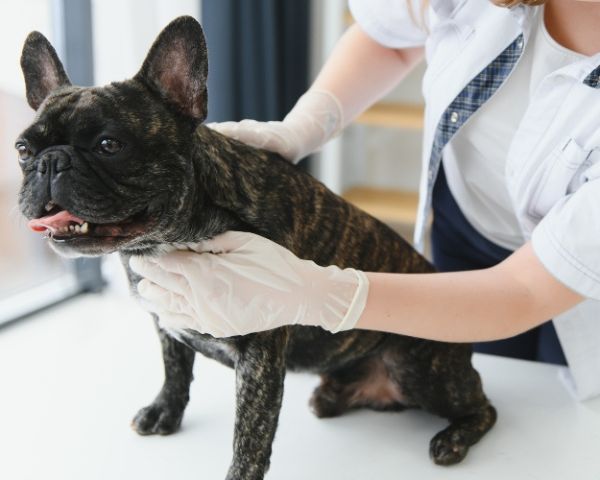
Regular wellness visits are a key part of preventive healthcare.
Routine exams allow a veterinarian to:
- Detect health concerns early
- Monitor changes over time
- Update preventive care plans
- Address questions before problems become serious
Preventive care is often far less expensive and stressful than treating advanced illnesses.
Stay Current on Vaccinations
Vaccinations help protect pets from potentially serious diseases.
Your pet’s vaccination schedule may vary based on:
- Age
- Lifestyle
- Environment
- Travel habits
Following recommended vaccination guidelines helps keep both pets and communities safer.
Protect Against Parasites
Parasites can affect pets year-round.
Common threats include:
- Fleas
- Ticks
- Heartworms
- Intestinal parasites
Preventive medications play an important role in protecting your pet from these potentially harmful conditions.
Prioritize Dental Care
Dental health is often overlooked, but it has a major impact on overall wellbeing.
Good dental care can help reduce:
- Plaque buildup
- Tartar accumulation
- Gum disease
- Bad breath
- Tooth loss
Regular brushing, dental chews, and professional evaluations help support oral health.
Pay Attention to Behavioral Changes
Pets often communicate health concerns through changes in behavior.
Watch for:
- Decreased appetite
- Increased thirst
- Lethargy
- Anxiety
- Changes in sleep habits
- Unusual aggression
Early recognition of behavioral changes can help identify health issues before they become more serious.
Create a Safe Home Environment
A safe environment helps prevent accidents and injuries.
Pet-proof your home by:
- Securing toxic substances
- Keeping medications out of reach
- Removing choking hazards
- Storing household chemicals safely
Simple precautions can significantly reduce the risk of emergencies.
Provide Mental Enrichment
Mental stimulation is just as important as physical exercise.
Activities that support mental health include:
- Puzzle toys
- Training sessions
- Interactive games
- Food enrichment activities
Keeping pets mentally engaged can reduce boredom and improve quality of life.
Monitor Your Pet’s Health at Home
Routine observation helps identify potential concerns early.
Pay attention to:
- Weight changes
- Appetite changes
- Skin conditions
- Mobility issues
- Bathroom habits
If something seems unusual, it is always better to seek guidance sooner rather than later.
Groom Your Pet Regularly
Routine grooming offers more than cosmetic benefits.
Regular grooming helps:
- Maintain skin health
- Reduce shedding
- Prevent matting
- Detect lumps or skin issues early
The grooming needs of each pet vary based on breed, coat type, and lifestyle.
Give Plenty of Love and Attention
One of the most important aspects of pet care is building a strong bond.
Quality time helps strengthen trust and supports emotional wellbeing.
Simple activities such as playtime, training, cuddling, and daily interaction can positively impact your pet’s overall happiness.
Consistency Is the Secret to Lifelong Pet Health
Providing excellent pet care does not require complicated routines. By focusing on proper nutrition, regular exercise, preventive healthcare, dental care, mental enrichment, and routine monitoring, you can help your pet enjoy a healthier and more fulfilling life. Small daily habits often make the biggest difference when it comes to long-term wellness.
For professional pet preventive care services in Lake Wylie, book an appointment with TotalBond Veterinary Hospital at Bethel. Our experienced team is dedicated to helping pets stay healthy and happy through every stage of life.
FAQs
Q1: What is the most important part of pet care?
Ans. Proper nutrition, preventive healthcare, regular exercise, and routine veterinary visits all work together to support your pet’s overall health.
Q2: How often should my pet have a wellness exam?
Ans. Most healthy adult pets benefit from annual wellness exams, while senior pets and those with medical conditions may require more frequent visits.
Q3: Why is dental care important for pets?
Ans. Dental care helps prevent plaque buildup, gum disease, tooth loss, and other oral health problems that can affect overall well-being.
Q4: How can I keep my pet mentally stimulated?
Ans. Puzzle toys, training exercises, interactive games, and enrichment activities can help keep pets mentally engaged and reduce boredom.
Q5: What signs indicate my pet may need veterinary attention?
Ans. Changes in appetite, weight, behavior, energy level, drinking habits, or mobility should be evaluated by a veterinary professional.