
As pet owners, we all want our furry companions to stay healthy, active, and happy. But because pets can’t tell us when something feels wrong, subtle symptoms may go unnoticed until a condition becomes more serious. That’s why early diagnostic testing plays such an important role in veterinary care. At TotalBond Veterinary Hospital at Paw Creek, advanced diagnostic tools help identify health issues quickly so pets can receive timely treatment and better outcomes.
If you’ve noticed changes in your dog or cat’s behavior, appetite, energy levels, or physical condition, it may be time to seek professional pet diagnostic care Charlotte pet owners can trust. Understanding the warning signs can help you protect your pet’s long-term health and comfort.
Why Diagnostic Testing Matters for Pets
Veterinary diagnostic testing allows veterinarians to evaluate your pet’s internal health beyond what can be seen during a routine physical exam. Many illnesses and conditions develop gradually and may not show obvious symptoms in the early stages. Diagnostic testing helps detect problems sooner, often before they become severe or life-threatening.
Common diagnostic tools include:
- Bloodwork
- Urinalysis
- Fecal testing
- Digital X-rays
- Ultrasound imaging
- Allergy testing
- Cytology and biopsies
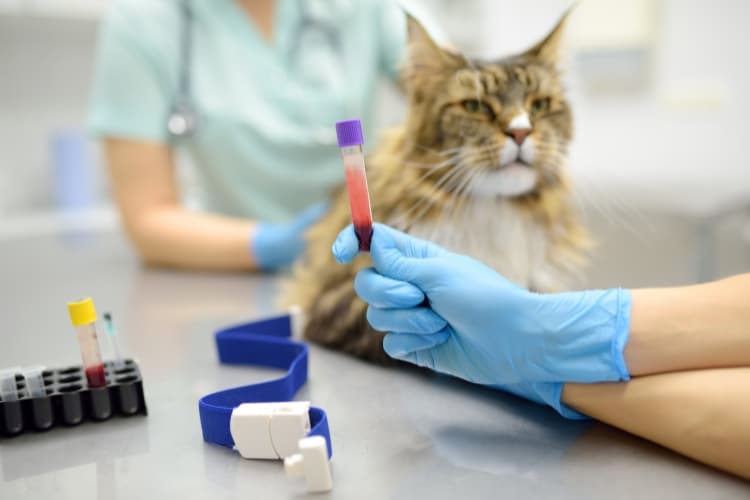
These tests provide valuable information about organ function, infections, inflammation, injuries, and chronic diseases.
Common Signs Your Pet May Need Diagnostic Testing
Changes in Appetite or Weight
If your pet suddenly loses interest in food or begins eating significantly more than usual, it could indicate an underlying medical issue. Unexplained weight loss may be linked to diabetes, thyroid disease, digestive disorders, or cancer. Weight gain can also signal hormonal imbalances or mobility-related concerns.
Diagnostic testing helps veterinarians identify the root cause of appetite and weight changes so treatment can begin promptly.
Vomiting or Diarrhea That Persists
Occasional digestive upset may not always be serious, but repeated vomiting or diarrhea should never be ignored. Chronic gastrointestinal symptoms can point to:
- Parasites
- Food intolerances
- Infections
- Pancreatitis
- Liver disease
- Intestinal blockages
Testing such as fecal exams, blood panels, and imaging can help determine the exact cause and guide effective treatment.
Increased Thirst or Frequent Urination
If your dog or cat is suddenly drinking more water or urinating more often, this may indicate kidney disease, diabetes, urinary tract infections, or hormonal disorders. These conditions often worsen over time if left untreated.
Routine bloodwork and urinalysis are essential diagnostic tools that help veterinarians evaluate kidney function, blood sugar levels, and urinary health.
Lethargy or Low Energy
Pets naturally have different activity levels, but noticeable fatigue or weakness may signal illness or pain. A normally energetic pet that suddenly becomes withdrawn or inactive could be experiencing:
- Infection
- Arthritis
- Heart disease
- Anemia
- Chronic pain
Diagnostic testing allows veterinarians to evaluate overall health and uncover hidden medical concerns.
Persistent Coughing or Breathing Changes
Respiratory symptoms should always be taken seriously. Chronic coughing, wheezing, labored breathing, or exercise intolerance may be related to:
- Heart disease
- Respiratory infections
- Allergies
- Asthma
- Lung conditions
Chest X-rays and blood tests can help identify the underlying issue and determine the best treatment plan.
Skin Irritation or Hair Loss
Itchy skin, redness, hot spots, excessive licking, or hair loss can make pets extremely uncomfortable. Skin problems are often linked to allergies, infections, parasites, or hormonal imbalances.
Veterinary diagnostic testing may include skin scrapings, allergy evaluations, and lab testing to pinpoint the cause and relieve your pet’s discomfort.
Limping or Difficulty Moving
Mobility changes are not always just a sign of aging. Limping, stiffness, difficulty standing, or reluctance to jump may indicate:
- Arthritis
- Joint injuries
- Ligament tears
- Bone fractures
- Neurological conditions
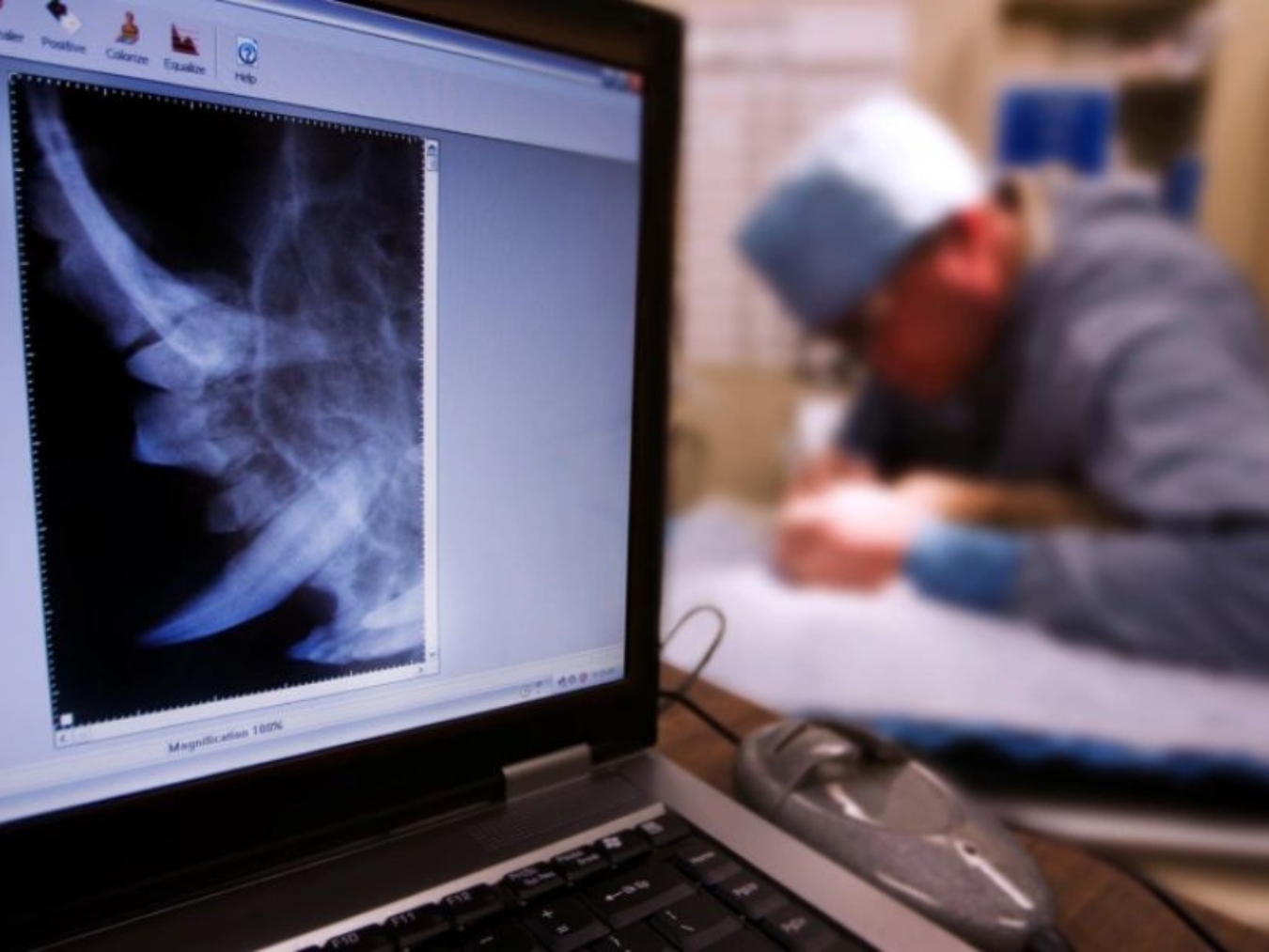
Digital radiographs and orthopedic evaluations help diagnose mobility issues accurately so pets can receive proper pain management and treatment.
Preventive Diagnostic Care Is Important Too
Diagnostic testing isn’t only for sick pets. Preventive care testing helps monitor your pet’s health and detect potential issues early. Annual wellness screenings are especially important for senior pets and breeds prone to specific medical conditions.
Routine testing may identify:
- Early kidney disease
- Liver abnormalities
- Diabetes
- Thyroid disorders
- Heart conditions
- Parasites
Early detection often means simpler treatments, lower costs, and better long-term outcomes for your pet.
What to Expect During Veterinary Diagnostic Testing
Many pet owners feel nervous when their veterinarian recommends diagnostic testing. However, most procedures are safe, minimally invasive, and designed to keep pets comfortable.
Depending on your pet’s symptoms, the veterinarian may recommend:
- Blood sample collection
- Urine or stool analysis
- Imaging scans
- Ultrasound examinations
- Specialized screenings
At TotalBond Veterinary Hospital at Paw Creek, the veterinary team explains each test clearly and discusses what the results may reveal. Their goal is to help pet owners make informed decisions about their companion’s care.
Why Early Diagnosis Can Save Lives
Many serious health conditions become more manageable when caught early. Diseases such as diabetes, kidney disease, heart conditions, and cancer may progress silently before symptoms become severe.
Early diagnosis allows veterinarians to:
- Begin treatment sooner
- Reduce complications
- Improve recovery outcomes
- Minimize discomfort
- Extend your pet’s quality of life
Ignoring symptoms or delaying veterinary care can allow conditions to worsen and become more difficult to treat.
Why Choose This Animal Hospital for Your Pet?
Choosing the right veterinary hospital matters when your pet needs medical attention. Pet owners looking for reliable pet diagnostic care Charlotte families trust can feel confident turning to TotalBond Veterinary Hospital at Paw Creek.
Advanced Diagnostic Technology
The hospital offers modern diagnostic tools that help veterinarians evaluate your pet quickly and accurately. From digital imaging to laboratory testing, advanced technology supports timely diagnoses and treatment plans.
Experienced Veterinary Team
The compassionate veterinary professionals understand that every pet is unique. They take time to listen to your concerns, perform thorough evaluations, and recommend personalized care options.
Fear Free Approach
Stress and anxiety can make veterinary visits difficult for pets. The team focuses on creating a calm, welcoming environment designed to reduce fear and help pets feel more comfortable during exams and testing.
Comprehensive Pet Care
Beyond diagnostics, the hospital provides a wide range of services including wellness care, surgery, dentistry, pain management, vaccinations, and preventive medicine. This allows pets to receive consistent care in one trusted location.
Convenient Care for Charlotte Pet Owners
Located in Charlotte, the hospital is committed to serving local families with compassionate veterinary care and responsive support whenever pets need medical attention.
When Should You Schedule a Veterinary Visit?
You know your pet better than anyone. If something feels unusual or your pet’s behavior changes suddenly, it’s always best to consult a veterinarian. Even mild symptoms can indicate larger health concerns that require medical evaluation.
You should schedule a veterinary appointment if your pet experiences:
- Persistent vomiting or diarrhea
- Appetite loss
- Excessive thirst
- Difficulty breathing
- Unexplained weight changes
- Skin irritation
- Limping or mobility issues
- Lethargy
- Frequent urination
- Behavioral changes
Prompt care can make a significant difference in your pet’s recovery and overall health.
Book an Appointment for Pet Diagnostic Care in Charlotte
Your pet depends on you to recognize when something may be wrong. Whether your companion needs preventive screening or evaluation for concerning symptoms, the team at TotalBond Veterinary Hospital at Paw Creek is here to help.
If you’re looking for trusted pet diagnostic care Charlotte pet owners rely on, don’t wait for symptoms to worsen. Book an appointment today to give your dog or cat the expert veterinary attention they deserve.
Frequently Asked Questions
1. What is diagnostic testing for pets?
Ans: Diagnostic testing includes medical evaluations such as bloodwork, urinalysis, X-rays, ultrasounds, and lab screenings that help veterinarians identify illnesses, injuries, and underlying health conditions.
2. When should I take my pet to the vet for testing?
Ans: You should visit a veterinarian if your pet shows symptoms such as vomiting, diarrhea, weight changes, excessive thirst, coughing, skin irritation, lethargy, or mobility problems.
3. Are veterinary diagnostic tests safe?
Ans: Yes. Most diagnostic tests are minimally invasive and considered very safe. Veterinarians use these tests to gather important health information while keeping pets as comfortable as possible.
4. How often should pets have diagnostic screenings?
Ans: Healthy adult pets should typically have annual wellness exams and routine screenings. Senior pets or pets with chronic conditions may require more frequent testing.
5. Can diagnostic testing detect diseases early?
Ans: Absolutely. Early diagnostic testing can identify diseases such as diabetes, kidney disease, infections, and cancer before symptoms become severe, improving treatment success.
7. Why is early diagnosis important for pets?
Ans: Early diagnosis allows veterinarians to begin treatment sooner, reduce complications, improve quality of life, and potentially extend your pet’s lifespan.