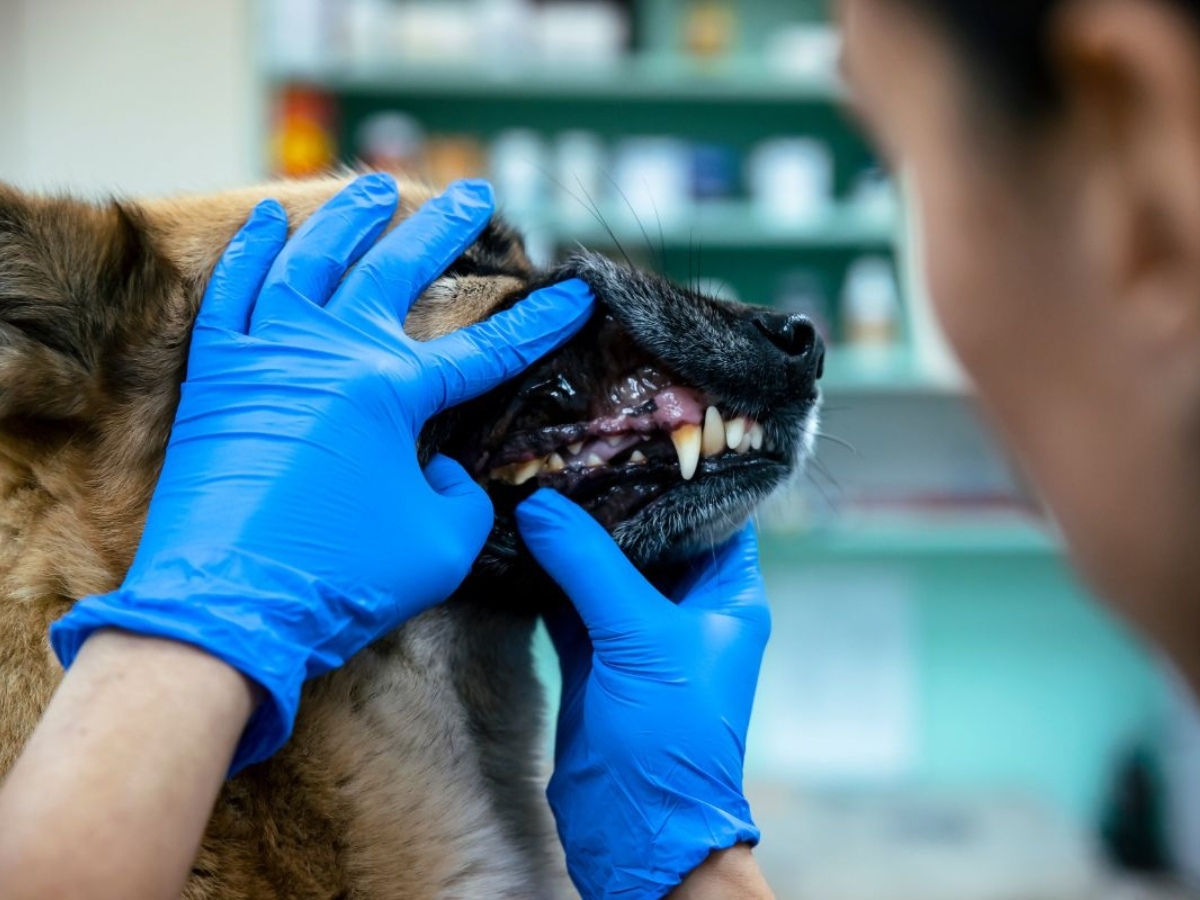


Getting a new puppy is such an exciting experience! Puppies are adorable bundles of energy, curiosity, and playfulness as they discover the world around them. It’s also important to remember that early puppyhood can be a tricky time for their health, with symptoms that might be easy to overlook.
Many first-time owners think that mild signs will just go away, but since puppies have developing immune systems and smaller bodies, some illnesses can escalate quickly. To keep your little friend happy and healthy, stay alert and give them the care they need from the start.
Recognizing early signs of illness can help protect your puppy’s health and prevent complications. At TotalBond Veterinary Hospital in Davidson, families in Mooresville receive puppy care focused on preventive wellness, early diagnosis, and long-term health support.
Why Early Veterinary Care Matters for Puppies
Puppies grow rapidly during the first year of life. Regular visits help monitor development, protect against infectious disease, and identify concerns before they become more serious.
Routine puppy care often includes:
- Vaccinations
- Parasite prevention
- Nutritional guidance
- Wellness exams
- Behavioral guidance
- Growth monitoring
Even healthy-looking puppies, appearing cheerful and lively, can develop hidden health issues needing prompt medical care for their well-being and growth.
Understanding when symptoms may indicate a more serious underlying issue can help pet owners seek appropriate vet care promptly, ensuring better health outcomes.
1. Loss of Appetite or Refusing Food
Most puppies are eager to eat. Skipping a meal occasionally may not always indicate a major issue, though persistent appetite loss should never be ignored in young dogs.
Puppies are more susceptible to dehydration and weakness, losing fluids and energy faster than adult dogs, which can be dangerous.
Loss of appetite may be linked to:
- Digestive upset
- Intestinal parasites
- Viral infections
- Stress or anxiety
- Fever
- Dental discomfort
- Foreign body ingestion
Veterinary evaluation is especially important if appetite loss occurs alongside vomiting, diarrhea, or lethargy, as these symptoms may indicate serious underlying health issues requiring prompt diagnosis and treatment.
2. Vomiting or Diarrhea That Continues
Mild digestive upset can occur after dietary changes or after eating something unusual. Frequent vomiting or ongoing diarrhea could be signs of a more serious medical condition that requires prompt attention and proper diagnosis.
Puppies are highly vulnerable to dehydration because their smaller bodies lose water more rapidly than those of adult dogs, and the condition can become dangerously severe very quickly if not detected and treated promptly.
Potential causes include:
- Parasites
- Dietary intolerance
- Bacterial infections
- Viral illness
- Intestinal blockage
- Toxin exposure
Emergency care may be needed if a puppy cannot keep water down, has bloody stool, or becomes weak.
3. Low Energy or Excessive Sleeping
Puppies spend a lot of time sleeping, especially during growth periods. Major changes in activity level can sometimes signal illness.
Signs that may require veterinary attention include:
- Difficulty standing
- Weakness
- Reluctance to play
- Unusual sleeping patterns
- Lack of interest in interaction
Low energy levels may occur with infections, low blood sugar, dehydration, or pain, which can significantly impact daily activities and overall well-being. Owners often notice subtle behavior changes before obvious symptoms appear.
4. Coughing, Sneezing, or Breathing Changes
Respiratory symptoms should always be monitored carefully in puppies, as early detection can significantly improve treatment outcomes and overall health.
Occasional sneezing may not be concerning, though persistent coughing, wheezing, or difficulty breathing can indicate an infection or airway irritation.
Symptoms that should prompt a veterinary visit include:
- Persistent coughing
- Nasal discharge
- Labored breathing
- Wheezing
- Rapid breathing
- Loss of appetite combined with respiratory symptoms
Kennel cough and other contagious respiratory illnesses can spread quickly among young dogs.
Breathing difficulty should always be treated as an urgent medical concern requiring immediate attention to prevent potential life-threatening complications and ensure prompt care.
5. Frequent Scratching or Skin Irritation
Puppies frequently develop skin irritation due to a variety of causes, including parasites, allergies, infections, environmental factors, or nutritional deficiencies, which require proper diagnosis and treatment.
Signs of skin problems may include:
- Excessive scratching
- Hair loss
- Red or inflamed skin
- Biting at the paws
- Ear shaking
- Scabs or bumps
Fleas and mites can create severe discomfort for puppies and may lead to secondary skin infections if left untreated. Early treatment of the condition often helps prevent worsening irritation and reduces the chances of developing more severe symptoms over time.
6. Difficulty Urinating or Changes in Bathroom Habits
Changes in urination or bowel habits can sometimes indicate underlying health concerns.
Watch for symptoms such as:
- Straining to urinate
- Frequent accidents
- Blood in urine
- Constipation
- Crying while urinating
- Increased thirst
Urinary tract infections, bladder issues, parasites, and digestive problems can all affect puppies.
Prompt evaluation may help prevent more serious complications by enabling early detection and timely intervention, ultimately improving patient outcomes and safety.
7. Swallowing Objects or Chewing Dangerous Items
Puppies explore their environment with their mouths. Household items can quickly become choking hazards or intestinal blockages.
Common foreign objects puppies may swallow include:
- Socks
- Toys
- Rocks
- String
- Plastic
- Fabric
- Bones
Symptoms of an intestinal blockage may include:
- Vomiting
- Abdominal pain
- Appetite loss
- Constipation
- Lethargy
Foreign body ingestion often requires urgent treatment and sometimes surgery.
Common Puppy Illnesses Owners Should Know About
Young puppies are more vulnerable to certain illnesses because their immune systems are still developing, making them more susceptible to infections and health complications at this early stage of life.
Intestinal Parasites
Roundworms, hookworms, and Giardia are common in puppies and may cause diarrhea, bloating, and weight loss.
Parvovirus
Parvovirus is a highly contagious viral disease that can cause severe vomiting, bloody diarrhea, dehydration, and weakness.
Vaccination plays a major role in prevention, significantly reducing the risk of diseases and protecting individual and public health over time.
Ear Infections
Puppies with floppy ears or allergies may develop painful ear infections, which can cause discomfort, persistent scratching, and sometimes require treatment to prevent further complications.
Symptoms often include:
- Head shaking
- Ear odor
- Scratching at the ears
- Redness inside the ears
Respiratory Infections
Young dogs exposed to boarding facilities, dog parks, or group settings may develop respiratory illness.
Early diagnosis often helps reduce complications by enabling timely treatment, improving patient outcomes, and preventing disease progression.
How Regular Puppy Wellness Visits Help
Routine veterinary care plays a crucial role in supporting healthy development during puppyhood by ensuring proper vaccinations, nutrition, and early health assessments.
Wellness appointments help monitor:
- Weight gain
- Growth patterns
- Vaccine schedules
- Parasite prevention
- Dental development
- Nutrition
- Behavioral concerns
Early vet visits also help puppies become more comfortable with handling and examinations. Positive experiences during puppyhood may reduce stress during future visits.
When to Seek Emergency Veterinary Care for a Puppy
Certain symptoms necessitate immediate medical attention to prevent serious health complications, emphasizing the importance of swift diagnosis and treatment.
Emergency warning signs may include:
- Difficulty breathing
- Seizures
- Severe vomiting
- Bloody diarrhea
- Collapse
- Extreme weakness
- Inability to urinate
- Suspected toxin ingestion
- Severe injuries
Young puppies can experience a rapid decline in health when a serious illness develops, making prompt treatment crucial. Early intervention often significantly improves outcomes and increases the chances of recovery.
Helping Your Puppy Stay Healthy at Home
Preventive care plays a crucial role in supporting puppy wellness by ensuring early detection of health issues, promoting proper development, and establishing healthy habits from a young age.
Helpful habits include:
- Feeding a balanced puppy diet
- Keeping vaccinations current
- Using parasite prevention consistently
- Supervising chewing behavior
- Scheduling routine wellness visits
- Limiting exposure to sick animals
- Providing safe toys and environments
Establishing healthy routines during puppyhood can significantly support long-term well-being and overall development throughout their life.
Understanding Behavioral Changes in Puppies
Behavioral changes are sometimes the earliest signs of illness, indicating a need for immediate medical attention and further evaluation.
Puppies may become:
- More withdrawn
- Irritable
- Clingy
- Less playful
- More vocal
- Less interested in food or treats
Owners know their puppies best. Veterinary evaluation is often worthwhile when something feels unusual, even if symptoms seem minor.
Puppy Care That Secures Your Companion’s Future
Raising a healthy puppy involves more than vaccines and feeding schedules. Early recognition of illness and routine preventive care both play important roles in supporting lifelong health. Vet visits help identify concerns early while guiding owners through every stage of puppy development.
If your puppy shows signs of illness or unusual behavior in Mooresville, book an appointment with TotalBond Veterinary Hospital at Davidson. Our team can evaluate your puppy’s health, discuss care recommendations, and provide compassionate support to help your new companion grow strong and healthy.
Frequently Asked Questions
1. How often should puppies visit the vet?
Most puppies need veterinary visits every few weeks during their vaccine series, followed by routine wellness exams as they grow.
2. Is vomiting always serious in puppies?
Occasional mild vomiting may occur after eating too quickly or due to dietary changes. Frequent vomiting or vomiting combined with lethargy or diarrhea should be evaluated promptly.
3. Why is my puppy sleeping more than usual?
Puppies naturally sleep a lot while growing. Excessive tiredness, loss of appetite, vomiting, or weakness may indicate illness.
4. When should puppies start parasite prevention?
Veterinarians often recommend beginning parasite prevention early in puppyhood to protect against fleas, ticks, heartworms, and intestinal parasites.
5. Can puppies become dehydrated quickly?
Yes. Puppies have smaller bodies and lower fluid reserves than adult dogs, making dehydration more dangerous during illness.