
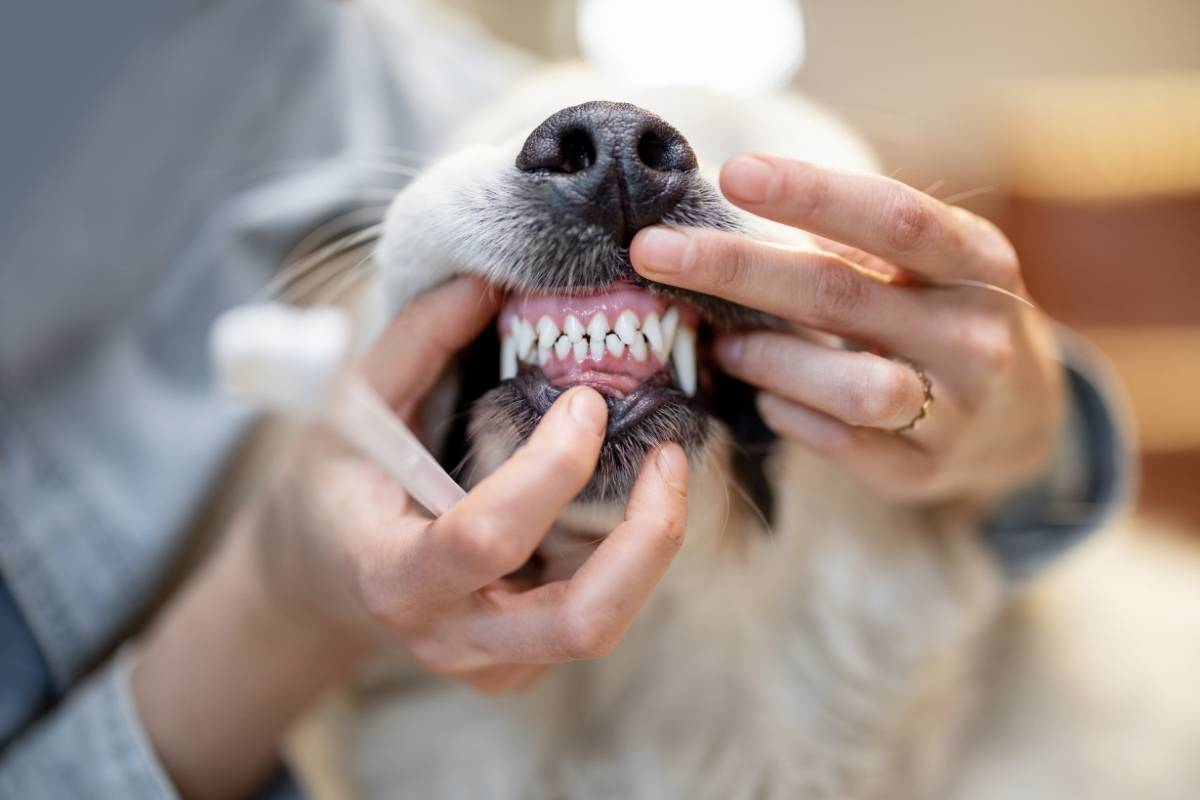
Dental health is often overlooked in dogs, but it plays a major role in their comfort, overall wellness, and long-term quality of life. Just like people, dogs can develop plaque, tartar, gum inflammation, infection, and tooth pain. The difference is that dogs rarely show obvious signs of dental discomfort until the problem has progressed.
Consistent dental care helps prevent painful oral disease, supports healthier organs, and allows your dog to eat, play, and live more comfortably. While brushing at home is helpful, professional veterinary dental care is also important because many dental problems occur below the gumline, where they cannot be seen.
For dog owners in Lake Wylie, SC, understanding the value of routine dental care can help prevent avoidable pain and support a healthier life for dogs of all ages and breeds.
Dental Disease Is Common in Dogs
Dental disease is one of the most common health concerns in adult dogs. Plaque begins forming on the teeth shortly after eating. If it is not removed, it hardens into tartar, which can irritate the gums and lead to gingivitis. Over time, bacteria can move deeper below the gumline and damage the tissues that support the teeth.
Small breeds, senior dogs, and dogs with crowded teeth are especially prone to dental disease. However, any dog can develop oral health problems without regular care. Because early dental disease may not cause visible symptoms, routine exams are the best way to detect problems before they become painful or expensive to treat.
Poor Dental Health Can Affect the Whole Body
Dental care is not just about fresh breath. When bacteria build up in the mouth, they can enter the bloodstream and affect other parts of the body. Advanced dental disease may place stress on the heart, liver, and kidneys. Chronic inflammation can also make your dog feel tired, uncomfortable, or less interested in normal activities.
A healthy mouth supports overall wellness. Regular dental cleanings and oral exams help reduce harmful bacteria, protect the gums, and support better long-term health. This is why dental care should be considered a necessary part of preventive veterinary medicine, not an optional service.
Signs Your Dog May Need Dental Attention
Dogs often hide pain, so dental issues can be easy to miss. Pet owners should watch for signs such as:
- Bad breath that does not improve
- Yellow or brown tartar on the teeth
- Red, swollen, or bleeding gums
- Drooling more than usual
- Chewing on one side of the mouth
- Dropping food while eating
- Pawing at the mouth
- Loose or missing teeth
- Reduced appetite or weight loss
If you notice any of these signs, your dog should be evaluated by a veterinarian. Early treatment can help prevent worsening infection, tooth loss, and unnecessary pain.
Home Dental Care Helps Between Vet Visits
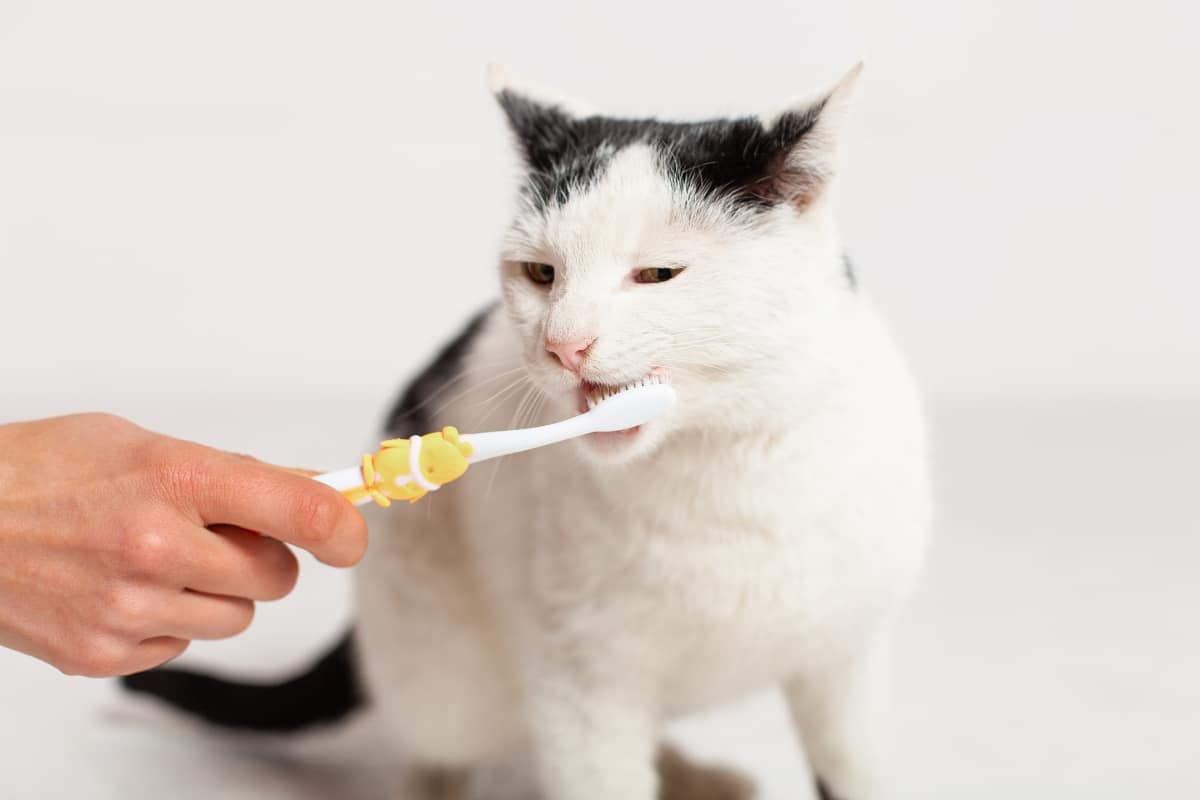
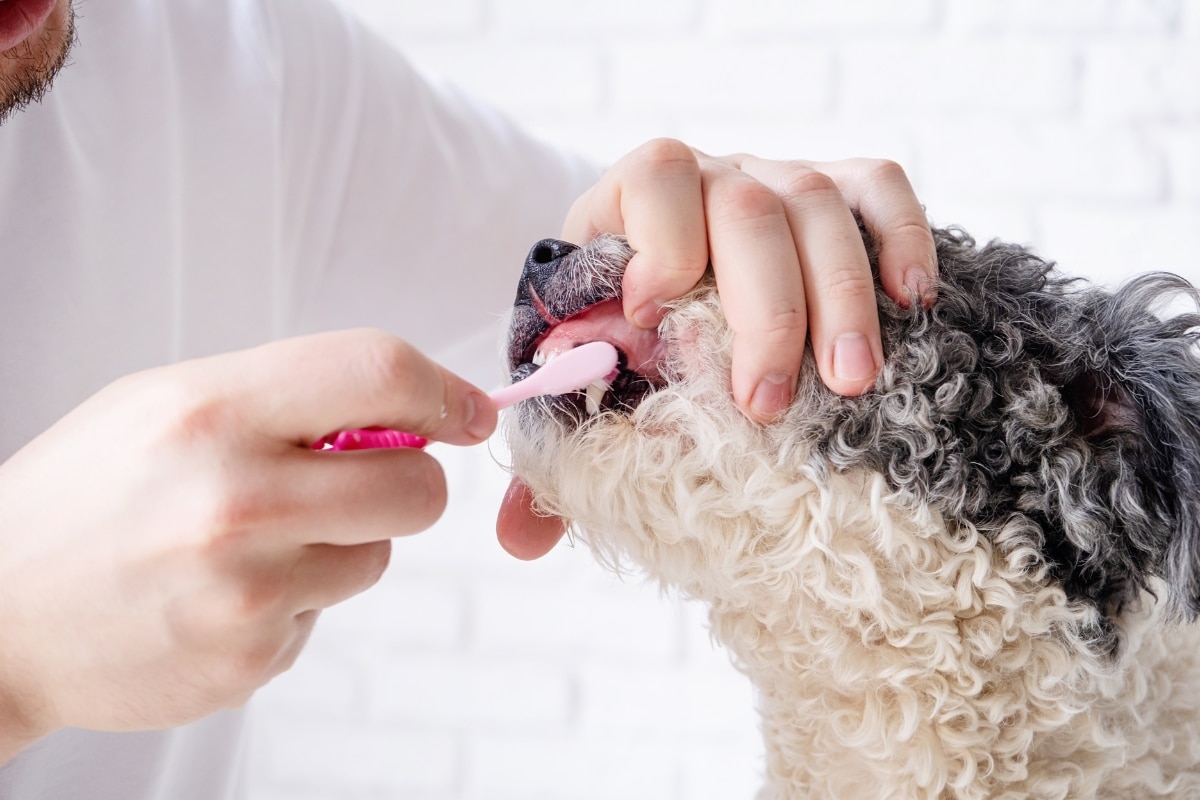
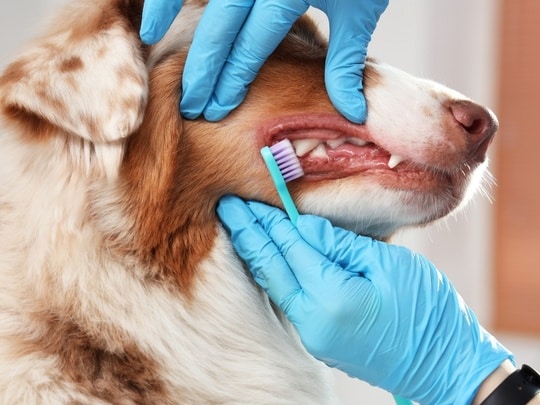
At-home dental care is an important part of keeping your dog’s mouth healthy. Brushing your dog’s teeth with a pet-safe toothpaste is one of the most effective ways to reduce plaque. Human toothpaste should never be used because it may contain ingredients that are unsafe for dogs.
Dental chews, oral rinses, and veterinarian-recommended dental diets may also help support oral hygiene. However, these products should not replace professional dental exams and cleanings. Home care works best when combined with routine veterinary visits and a personalized plan based on your dog’s age, breed, and oral health.
Why Professional Dental Cleanings Matter
Professional dental cleanings allow veterinarians to remove plaque and tartar from areas that brushing cannot reach, especially below the gumline. During a dental procedure, the veterinary team can also examine the teeth, gums, and oral tissues closely. Dental X-rays may be recommended to identify hidden problems such as tooth root infections, bone loss, or fractured teeth.
This level of care helps detect issues early and treat them properly. A professional cleaning is especially important if your dog already has tartar buildup, gum inflammation, or signs of discomfort.
How Often Should Dogs Have Dental Care?
The right dental schedule depends on your dog’s individual needs. Some dogs may need annual dental cleanings, while others may require more frequent care due to breed, age, diet, or existing dental disease. Puppies should have their mouths checked during wellness visits to ensure their teeth are developing properly. Adult and senior dogs benefit from regular oral exams to monitor changes over time.
A veterinarian can recommend the best dental care plan after examining your dog’s mouth. Consistency is key. Preventive dental care for your dog is usually easier, safer, and more comfortable than waiting until a problem becomes advanced.
Your dog’s dental health reflects their overall well-being. Periodontal disease doesn’t just cause discomfort and tooth loss; it creates a chronic source of bacterial exposure that places real strain on the heart, kidneys, and liver over time. If you’re in Lake Wylie, SC and need guidance from a trusted vet near you on your dog’s dental health, Schedule your appointment with TotalBond Veterinary Hospital at Bethel today. Our experienced team will evaluate your dog’s oral health, build a cleaning plan tailored to their specific needs, and guide you through a home care routine that’s practical and effective. Your dog’s comfort and long-term health start with the care you give them now.
Frequently Asked Questions:
Q1: How often should my dog have a professional dental cleaning?
Ans. Most dogs benefit from a professional dental cleaning once a year. However, small breeds and dogs already showing signs of dental disease may need cleanings every six months. Your veterinarian will assess your dog’s individual oral health and recommend a cleaning schedule accordingly.
Q2: My dog won’t let me brush their teeth. What can I do?
Ans. Start slowly and use positive reinforcement. Allow your dog to sniff and lick the toothpaste for several days before introducing the brush. Gradually work up to full brushing sessions. If resistance continues, ask your vet about VOHC-approved dental chews, water additives, or dental wipes as supplemental alternatives.
Q3: Is bad breath in dogs normal?
Ans. Mild odor after eating is common, but persistent or strong bad breath is not normal. It’s typically a sign of bacterial buildup, gum disease, or another health issue. Consistent bad breath warrants a veterinary dental examination.
Q4: Can dental treats replace brushing or professional cleanings?
Ans. No. Dental treats and chews are useful supplements that help reduce surface plaque, but they cannot clean below the gumline or replace the thoroughness of a professional cleaning. Always choose products with the VOHC seal and use them alongside a regular brushing routine.
Q5: Is anesthesia safe for my dog during a dental cleaning?
Ans. Yes, when performed by a qualified veterinary team following current safety protocols. Pre-anesthetic bloodwork, IV fluid support, and continuous monitoring significantly reduce risk. Anesthesia-free dental cleanings are not recommended by veterinary dental specialists, as they cannot address below-gumline disease or allow for diagnostic X-rays.
Q6: At what age should I start dental care for my puppy?
Ans. Begin as early as 8 to 12 weeks of age. Even before adult teeth emerge, you can start conditioning your puppy to accept mouth handling and toothbrushing. Early, positive exposure makes dental care a normal part of their routine and significantly reduces resistance as they grow.