

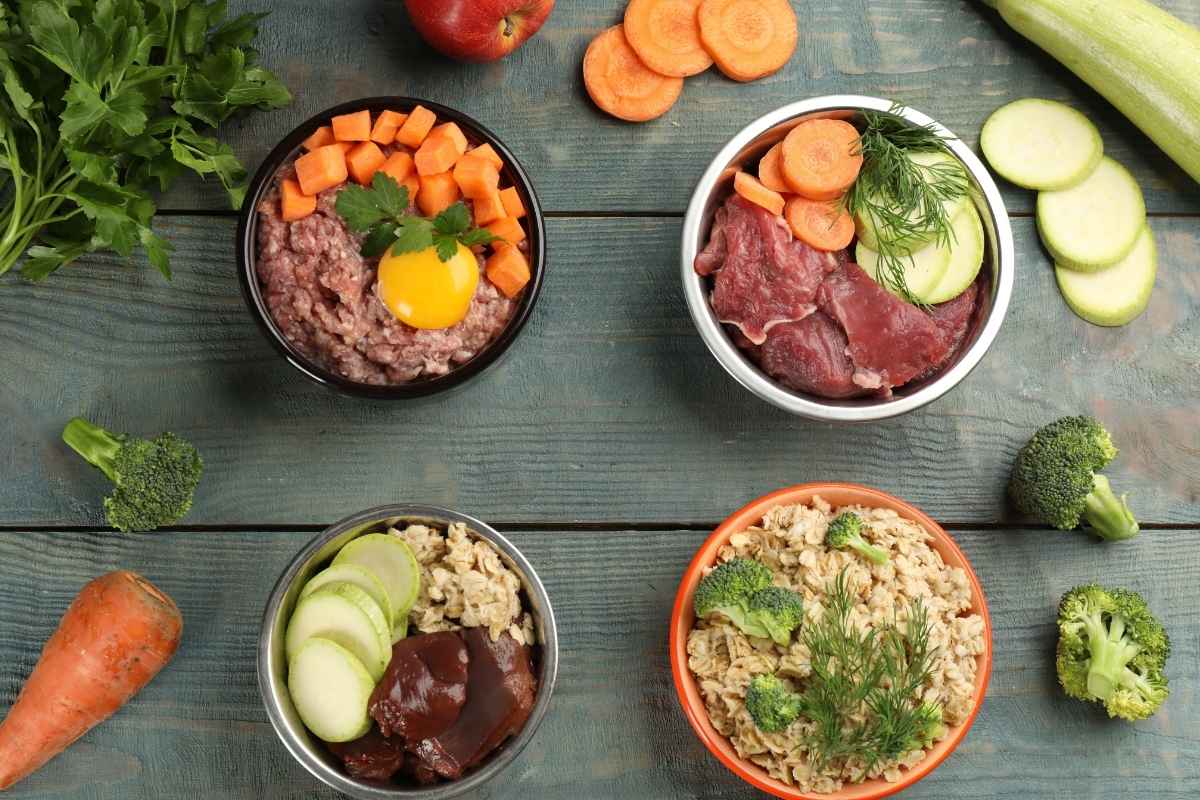
Dog owners everywhere are becoming more conscious about what goes into their pet’s bowl. With growing concerns about commercial dog food recalls, artificial preservatives, and low-quality fillers, homemade dog food has become a widely considered alternative. The appeal is clear – fresh ingredients, complete control over what your dog eats, and the satisfaction of preparing something truly wholesome for a beloved companion.
However, homemade dog food is not as simple as combining leftover protein and vegetables. Without proper nutritional planning, even the most well-intentioned homemade meals can leave dogs deficient in critical vitamins and minerals.
What “Vet-Approved” Homemade Dog Food Actually Means
The phrase “vet-approved” carries real nutritional significance. It means a recipe or feeding plan has been reviewed and confirmed to meet established nutritional standards set by the Association of American Feed Control Officials (AAFCO).
Dogs require a precise combination of macronutrients and micronutrients that vary based on age, breed, weight, activity level, and health status. A simple chicken and rice meal, while gentle on an upset stomach is not a complete or sustainable long-term diet. Vet-approved recipes are specifically designed to address all nutritional needs without leaving dangerous gaps.
Essential Nutrients Every Dog Needs
Understanding your dog’s core nutritional requirements is the foundation of any safe homemade feeding plan:
- Protein (40–70%): Supports muscles, organs, and immune function. Quality sources include chicken, turkey, lean beef, salmon, and eggs.
- Healthy Fats (10–15%): Supports brain health, skin condition, and coat shine. Fish oil and chicken fat are excellent choices.
- Complex Carbohydrates (20–30%): Provides sustained energy and digestive fiber. Brown rice, sweet potatoes, and oats work well.
- Calcium and Phosphorus: Essential for strong bones and teeth. Ground eggshells or vet-recommended calcium supplements are reliable sources.
- Vitamins and Minerals: Delivered through colorful vegetables, fruits like blueberries, and canine-specific multivitamin supplements.
Variety and balance are the true cornerstones of a healthy homemade diet.
Dog-Safe Ingredients to Include
Lean Proteins:
- Ground turkey or lean beef (cooked, unseasoned)
- Boneless, skinless chicken breast
- Cooked, de-boned salmon
- Scrambled or hard-boiled eggs
Vegetables:
- Carrots, green beans, zucchini, spinach, peas, and sweet potatoes
Grains and Starches:
- Brown rice, white rice, oatmeal, and quinoa
Supplements:
- Omega-3 fish oil
- Canine calcium supplement or ground eggshell powder
- Vet-recommended dog multivitamin
Foods That Are Toxic to Dogs – Never Use These
This is one of the most critical sections of this guide. The following foods are toxic to dogs and must be completely avoided in any homemade meal:
- Onions and garlic (all forms – raw, cooked, powdered, or dehydrated)
- Grapes and raisins (even small amounts can cause acute kidney failure)
- Xylitol (found in some peanut butters, candies, and baked goods)
- Avocado (contains persin, which is harmful to dogs)
- Macadamia nuts
- Chocolate and caffeine
- Raw yeast dough
- Cooked bones (can splinter and cause serious internal injury)
A Simple Vet-Guided Starter Recipe
This basic recipe follows general veterinary nutritional guidelines and serves as a helpful starting point. Always have it reviewed by your veterinarian before making it a regular part of your dog’s diet.
Ingredients:
- 1.5 lbs lean ground turkey (cooked)
- 1 cup brown rice (cooked)
- 1 cup carrots (steamed and chopped)
- ½ cup green beans (steamed)
- ½ cup sweet potato (plain, mashed)
- 1 tbsp fish oil
- Canine calcium supplement (follow label dosing)
Instructions: Cook all ingredients separately, allow to cool completely, and mix thoroughly. Portion according to your dog’s weight and daily caloric needs. Refrigerate for up to four days or freeze in individual servings for a longer shelf life.
How to Safely Transition Your Dog to Homemade Food
Abruptly switching your dog’s diet can trigger digestive issues such as vomiting, loose stools, or appetite loss. A gradual four-week transition is strongly recommended:
| Week | Current Food | Homemade Food |
| Week 1 | 75% | 25% |
| Week 2 | 50% | 50% |
| Week 3 | 25% | 75% |
| Week 4 | 0% | 100% |
Monitor your dog’s energy levels, stool quality, and appetite at every stage. If anything seems off, slow the transition and consult your veterinarian right away.
Why Professional Veterinary Care Matters
No online guide can replace personalized professional input. Proper veterinary care goes far beyond routine checkups. When it comes to homemade dog food, your vet can assess your dog’s body condition, run baseline bloodwork, identify nutritional deficiencies, and recommend breed- or age-specific dietary adjustments.
Dogs with chronic conditions such as kidney disease, diabetes, or food allergies have highly specific dietary requirements that cannot be safely managed without professional guidance. Routine follow-up appointments and periodic blood panels are the most reliable way to confirm your dog is truly thriving, not just appearing healthy on the surface. Consistent veterinary care is not optional when pursuing long-term homemade feeding. It is an essential part of the process.
General Portion Size Guidelines
| Dog’s Weight | Estimated Daily Serving |
| Under 10 lbs | ½ to ¾ cup |
| 10–25 lbs | ¾ to 1.5 cups |
| 25–50 lbs | 1.5 to 2.5 cups |
| 50–75 lbs | 2.5 to 3.5 cups |
| Over 75 lbs | 3.5+ cups (two meals) |
These are general estimates. Puppies, senior dogs, nursing mothers, and highly active breeds have different caloric needs. Your veterinarian can determine your dog’s precise daily requirements using their resting energy requirement (RER).
Informed Feeding Is the Best Feeding
Homemade dog food, when thoughtfully prepared and professionally guided, can be one of the most meaningful contributions to your dog’s long-term health. The key is approaching it with the right knowledge, quality ingredients, and consistent professional support.
Whether you’re a first-time dog owner or a seasoned pet parent in Lake Wylie, SC, or anywhere across the country, this guide provides the foundational knowledge to make homemade feeding both safe and rewarding for your dog. Schedule your appointment today and let’s build a personalized nutrition plan that keeps your dog healthy and thriving for years to come.
Frequently Asked Questions:
Q1: How do I know if my homemade recipe is nutritionally balanced?
Ans. Have your recipe evaluated by a board-certified veterinary nutritionist or your primary vet. Periodic blood panels every 6–12 months can further confirm whether your dog is receiving adequate nutrition consistently.
Q2: Is a raw homemade diet safe for dogs?
Ans. Raw diets carry real risks, including bacterial contamination from pathogens like Salmonella and E. coli, which can affect both dogs and their human family members. Most veterinarians recommend cooked, homemade food as the safer alternative.
Q3: My dog has food allergies. Is homemade food a better option?
Ans. For dogs with confirmed allergies or sensitivities, homemade diets offer excellent ingredient control. Identify the specific allergen first through veterinary allergy testing before building a long-term meal plan.
Q4: How often should I rotate protein sources?
Ans. Rotating proteins every few weeks – such as alternating between chicken, turkey, beef, and fish – reduces the risk of developing new food sensitivities and provides a broader amino acid profile. Always introduce new proteins gradually.
Q5: Can puppies eat homemade dog food safely?
Ans. Yes, but puppy nutrition is more complex than adult dog nutrition. Puppies require higher levels of calcium, phosphorus, and specific vitamins for healthy development. Any homemade puppy diet must be approved by a veterinarian before regular use.
Q6: Is homemade dog food cost-effective long-term?
Ans. It depends on ingredient choices and your dog’s size. Buying proteins in bulk, preparing large batches, and freezing individual portions can significantly reduce overall costs and make homemade feeding more manageable over time.