
A dog’s nose is often one of the first things pet owners notice about their furry companion. While many people expect a dog’s nose to always be cool and wet, that isn’t necessarily true. In reality, dogs can occasionally develop a dry or cracked nose for harmless reasons such as weather changes, sleeping, or mild dehydration. However, there are times when a dry nose may point to an underlying health concern that deserves veterinary attention.
At New Hope Veterinary Hospital in Belmont, veterinarians often help pet owners determine whether their dog’s dry nose is temporary or a sign of something more serious. Understanding the possible causes can help you take the right steps to keep your pet healthy and comfortable.
Is It Normal for a Dog’s Nose to Be Dry?
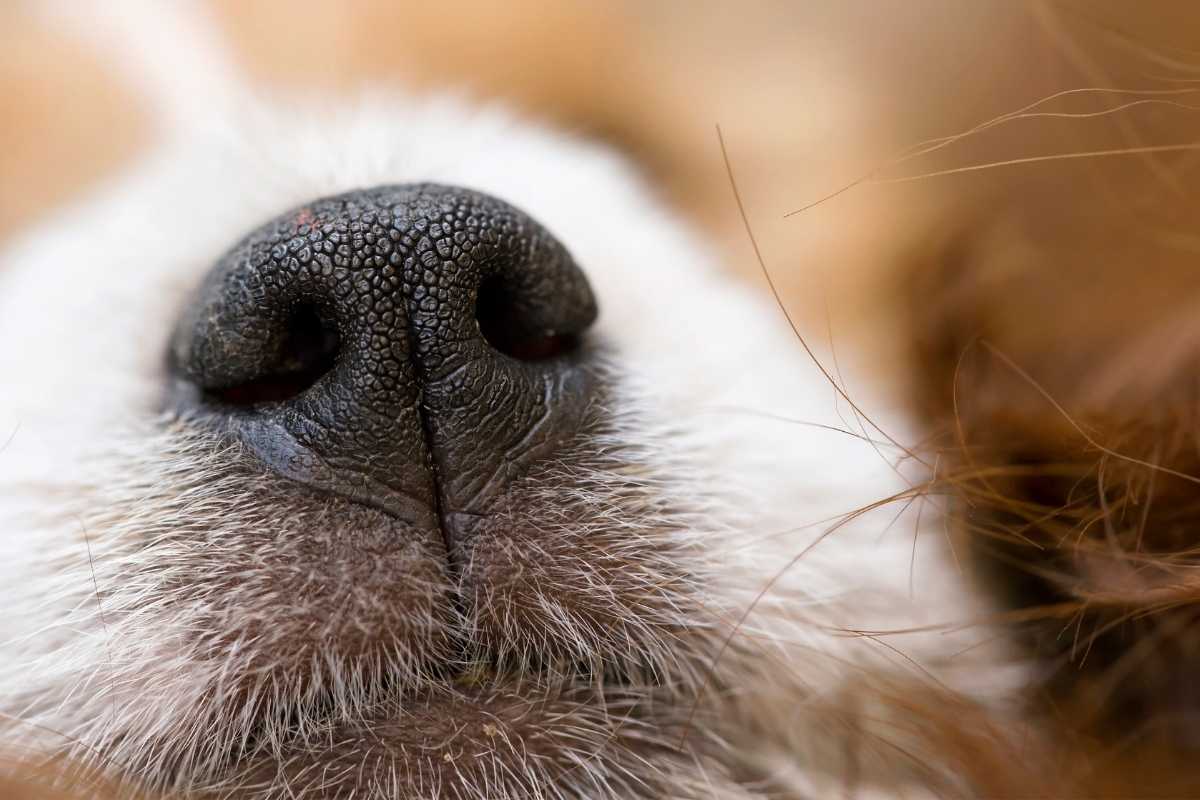
Yes, a dog’s nose can occasionally become dry without indicating illness. Many healthy dogs experience temporary dryness throughout the day. Factors such as napping near a sunny window, spending time in warm weather, or sleeping for several hours can leave the nose feeling dry or warm.
A healthy dog nose can vary in texture and moisture depending on:
- Activity level
- Weather conditions
- Age
- Hydration status
- Time of day
Because of these natural fluctuations, a dry nose alone should not immediately cause alarm. Instead, pet owners should pay attention to additional symptoms or changes in behavior.
Common Causes of Dry and Cracked Dog Noses
Weather and Environmental Factors
Dry air is one of the most common reasons dogs develop dry noses. During winter months, indoor heating systems can reduce humidity levels and contribute to cracked skin around the nose. Similarly, prolonged sun exposure during hot weather can cause irritation or even sunburn.
Dogs that spend significant time outdoors may also experience nose dryness due to:
- Wind exposure
- Cold temperatures
- Dust or allergens
- Excessive heat
In many cases, these environmental causes improve once moisture and hydration are restored.
Mild Dehydration
Hydration plays a major role in skin and nose health. If your dog has not been drinking enough water, their nose may become dry or flaky.
Signs of dehydration may include:
- Lethargy
- Dry gums
- Sunken eyes
- Reduced appetite
- Thick saliva
Ensuring your dog always has access to fresh water is essential, especially during warmer months or after exercise.
Allergic Reactions
Some dogs develop dry noses because of allergies or contact irritation. Plastic food bowls, cleaning products, pollen, or certain foods can trigger irritation around the nose and face.
Symptoms of allergies may include:
- Itching
- Sneezing
- Redness
- Paw licking
- Skin irritation
Switching to stainless steel or ceramic bowls may help reduce contact-related irritation in some dogs.
Hyperkeratosis
Nasal hyperkeratosis occurs when excess keratin builds up on the surface of the nose. This condition can create a thick, crusty, or cracked appearance.
Hyperkeratosis is more common in:
- Senior dogs
- Certain breeds
- Dogs with immune-related conditions
While mild cases may be manageable with moisturizers recommended by your veterinarian, severe cases may require medical evaluation and treatment.
Dog Breeds More Prone to Dry Noses
Certain breeds are naturally more susceptible to nose dryness or cracking due to facial structure or genetics.
These may include:
- Bulldogs
- Pugs
- Boxers
- Labrador Retrievers
- Golden Retrievers
- Cocker Spaniels
Flat-faced breeds may especially experience increased nose dryness because of altered airflow and skin exposure.
When Should Pet Owners Be Concerned?
Although occasional dryness is common, some symptoms may indicate a more serious issue. Pet owners should monitor their dog closely if dryness persists or worsens.
Persistent Cracking or Bleeding
If your dog’s nose becomes severely cracked, develops open sores, or starts bleeding, veterinary care is recommended. These symptoms may point to infection, autoimmune disease, or chronic inflammation.
Changes in Pigmentation
Sudden color changes in the nose, especially whitening, dark spots, or discoloration, should not be ignored. These changes can sometimes signal immune disorders or skin disease.
Excessive Sneezing or Nasal Discharge
A dry nose accompanied by thick discharge, sneezing, coughing, or breathing difficulty could indicate infection or respiratory illness.
Loss of Appetite or Lethargy
If your dog’s dry nose appears alongside low energy, fever, vomiting, or refusal to eat, it may be part of a larger medical concern that requires prompt attention.
Signs of Pain
Dogs experiencing discomfort may paw at their nose, rub their face against furniture, or resist touch near the muzzle.
Medical Conditions Linked to Dry Dog Noses
Autoimmune Disorders
Certain autoimmune diseases can affect the nose and skin. Conditions such as lupus or pemphigus may cause crusting, ulcers, and severe dryness.
These conditions typically require veterinary diagnosis and long-term management.
Infections
Bacterial or fungal infections can irritate the nose and surrounding tissue. Infections may worsen without treatment and sometimes spread to other areas of the body.
Fever or Illness
While a dry nose alone does not confirm fever, dogs with systemic illness may develop nose dryness alongside other symptoms such as:
- Warm ears
- Fatigue
- Shivering
- Reduced appetite
A veterinary examination is the safest way to determine whether illness is present.
Sunburn
Light-colored dogs and dogs with pink noses are especially vulnerable to sunburn. Repeated sun exposure may lead to peeling, cracking, or skin damage over time.
How Veterinarians Diagnose Nose Problems
Veterinarians begin by performing a physical examination and reviewing your dog’s symptoms and medical history.
Depending on the severity of the condition, diagnostic testing may include:
- Skin scrapings
- Allergy evaluation
- Blood testing
- Biopsy
- Fungal or bacterial cultures
Proper preventative care helps identify whether the dryness is cosmetic, environmental, or related to a deeper medical issue.
Safe Ways to Help a Dry Dog Nose at Home
Encourage Hydration
Always provide clean, fresh water and monitor your dog’s drinking habits. Adding moisture-rich foods may also support hydration.
Use Pet-Safe Moisturizers
Never apply human lotions or medicated creams unless specifically directed by a veterinarian. Some ingredients can be toxic to dogs.
Veterinarians may recommend pet-safe balms designed specifically for canine noses.
Limit Sun Exposure
Avoid prolonged outdoor activity during peak sunlight hours, especially for dogs with light-colored noses.
Use Humidifiers Indoors
Adding humidity to dry indoor environments may help reduce cracking during colder seasons.
Avoid Harsh Chemicals
Keep household cleaners, fragrances, and irritants away from your dog’s food and resting areas.
Preventing Dry Nose Problems
Although not every case is preventable, pet owners can reduce the risk of chronic nose dryness with proactive care.
Helpful prevention strategies include:
- Maintaining regular veterinary checkups
- Feeding a balanced diet
- Keeping your dog hydrated
- Protecting against excessive sun exposure
- Monitoring skin changes early
- Using high-quality food and water bowls
Early attention to small symptoms can prevent more serious complications later.
When to Schedule a Veterinary Visit
Pet owners should contact a veterinarian if their dog’s nose:
- Remains dry for several days
- Becomes crusted or bleeding
- Appears painful
- Changes color
- Develops discharge or sores
- Occurs alongside illness symptoms
Prompt care can help identify the cause early and improve comfort for your pet. If your dog is showing concerning symptoms, it may be time to book an appointment with a trusted veterinary team for a professional evaluation.
Final Thoughts
A dry or cracked dog nose is not always a medical emergency, but persistent or severe symptoms should never be ignored. Many cases result from harmless environmental changes, while others may signal allergies, infections, autoimmune conditions, or dehydration.
By paying attention to your dog’s overall health and behavior, pet owners can better determine when veterinary care is necessary. Regular wellness visits and early intervention remain some of the best ways to protect your dog’s comfort and long-term health.
FAQs
1. Is a dry nose always a sign that my dog is sick?
Ans: No. Dogs can naturally have dry noses after sleeping, sun exposure, or spending time in dry environments. Additional symptoms are usually more important than nose moisture alone.
2. Can I put Vaseline on my dog’s nose?
Ans: It is best to avoid using human products unless directed by your veterinarian. Some ingredients may be unsafe if ingested. Pet-safe nose balms are usually recommended instead.
3. Why is my dog’s nose cracked and crusty?
Ans: Crusting may result from dryness, hyperkeratosis, allergies, sunburn, or underlying medical conditions. Persistent cracking should be evaluated by a veterinarian.
4. Are certain dog breeds more likely to develop dry noses?
Ans: Yes. Flat-faced breeds and some older dogs may be more prone to nasal dryness due to anatomy or genetics.
5. How can I keep my dog’s nose healthy?
Ans: Provide fresh water, avoid excessive sun exposure, use pet-safe moisturizers when needed, and schedule regular veterinary checkups.
6. When should I take my dog to the vet for a dry nose?
Ans: Seek veterinary care if the nose becomes painful, cracked, bleeding, discolored, or if your dog develops additional symptoms like lethargy or loss of appetite.