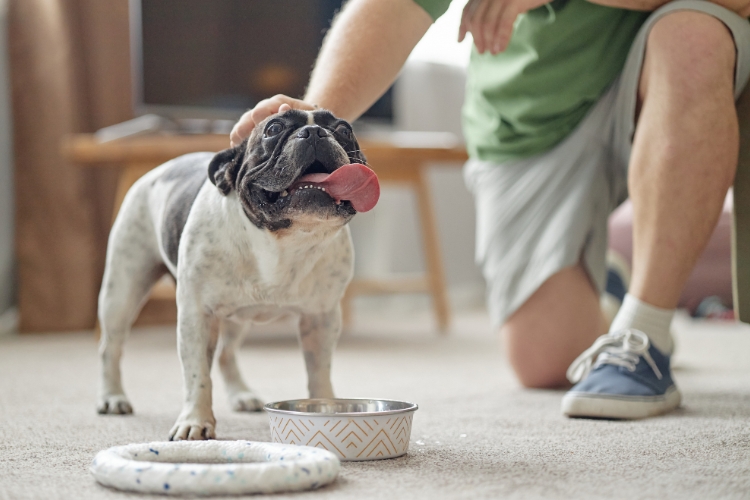


As pets age, they may begin to show signs of discomfort or even pain that can severely affect their daily lives. Just like us, our pets can experience aches, stiffness, and mobility challenges as they grow older. Whether it’s due to arthritis, hip dysplasia, or just the natural wear and tear on their joints, these issues can make simple activities like climbing stairs, going for walks, or playing fetch much harder. As a pet owner, seeing your furry friend in pain can be heartbreaking, and you may wonder how you can help.
This blog is especially for pet owners in Mooresville, NC, who are exploring how pain management can significantly improve their older pet’s mobility. We’ll dive into the various methods and veterinary treatments available to relieve discomfort and help your pet lead a more active, pain-free life. If you’re noticing your pet slowing down or struggling with mobility, keep reading to discover the solutions that can make a meaningful difference in their well-being.
If you think your senior pet may be suffering, learn how pain management can bring relief and ensure they continue enjoying life with you.
Taking Care of Older Pets With Pain Management
Pain management is about providing relief and improving your pet’s quality of life. Senior pets, especially those with chronic conditions like arthritis, require a specialized approach to pain relief. The goal of pain management is to reduce discomfort and improve mobility, allowing pets to maintain their normal activities and overall health.
As pets age, the wear and tear on their joints, muscles, and bones can lead to conditions that cause significant discomfort. The most common culprits are arthritis, hip dysplasia, and other degenerative joint diseases, which can all impact a pet’s ability to move freely.
Older pets often show signs of pain, such as limping, difficulty rising, reluctance to walk, or irritability. Recognizing these symptoms early on is crucial to providing relief. Understanding techniques to manage pain allows you to help alleviate these issues and enhance your pet’s mobility, ultimately improving their quality of life.
Pain Management Strategies to Help Pets Move Better
Medications for Relief
Medications are often the first line of defense in managing pain in senior pets. They can provide quick relief and are generally safe when used under veterinary guidance.
- Non-steroidal anti-inflammatory drugs (NSAIDs): These are commonly used to reduce inflammation and relieve pain associated with arthritis.
- Pain relievers: Medications like opioids may be prescribed in more severe cases of pain.
- Joint supplements: These can help reduce inflammation and rebuild joint cartilage over time.
Physical Therapy
Just like humans, pets can benefit from physical therapy to regain strength and flexibility.
- Massage therapy: Gentle massage can help relieve muscle tension and improve circulation.
- Aquatic therapy: Swimming or water therapy is especially effective for pets with arthritis, providing low-impact exercise that improves mobility without stressing the joints.
Weight Management
Maintaining a healthy weight is crucial for older pets, as excess weight can place additional strain on their joints and bones.
- Nutrition: Ensure your pet is eating a balanced diet that supports their joint health, like food rich in omega-3 fatty acids.
- Exercise: Regular, low-impact exercise can help keep muscles toned and improve joint flexibility.
Different Pain Management Options Available
Older pets have several options for managing pain, each offering different benefits depending on their specific condition.
1. Acupuncture and Laser Therapy
Acupuncture and laser therapy are two alternative veterinary treatments that can work wonders for pets with chronic pain.
- Acupuncture: Involves inserting tiny needles into specific points on the body to relieve pain and improve circulation.
- Laser therapy: Uses light to penetrate the skin and promote healing, reduce inflammation, and improve mobility.
2. Joint Injections and Steroid Treatments
For pets with severe joint pain, injectable medications from the vet, such as corticosteroids or joint fluid replacements, can provide relief.
- Joint injections: Can help reduce inflammation and relieve pain for weeks or months.
- Stem cell therapy: A newer treatment that uses the body’s own stem cells to promote healing and reduce inflammation in the joints.
3. Surgery
In some cases, surgery may be required to repair joint damage or to address mobility issues.
- Hip or knee surgeries: These can help alleviate pain caused by severe arthritis or joint deformities.
- Arthroscopy: A minimally invasive surgery that allows the veterinarian to remove damaged tissue from joints, reducing pain and improving mobility.
Impact of Pain Management on Your Pet’s Mobility
Managing pain profoundly affects your pet’s ability to move and live without discomfort. By managing pain early and consistently, you can prevent your pet’s condition from worsening and help them maintain a more active lifestyle.
Health Benefits
- Better movement: Reducing pain helps pets move more easily, allowing them to engage in activities like walking, climbing, and playing.
- Improved mental health: When pets are free from pain, they are more likely to be active and engaged, improving their overall mood.
Long-Term Outcomes
Effective pain management can help extend your pet’s mobility for years to come. By addressing pain early, you prevent further damage to joints and muscles, making it easier for them to continue enjoying life.
Risks of Ignoring the Issue
If left untreated, chronic pain can lead to further complications, including muscle atrophy, joint deformities, and a significantly reduced quality of life. Pets who are in constant pain may become depressed, aggressive, or withdrawn.
Why Pain Management Should Not Be Ignored
When your older pet is in pain, it can be heart-wrenching to watch them struggle. Pain not only affects their ability to move but also impacts their emotional well-being. By helping them manage their pain, you’re helping them remain active and engaged in the world around them.
Addressing pain early can lead to better long-term outcomes, giving your pet the comfort they deserve in their golden years. The earlier you seek help, the better your chances for a pain-free life.
Give Your Pet the Relief They Deserve
Taking proactive steps to manage your pet’s pain can dramatically improve their mobility and overall well-being. Whether it’s through medication, physical therapy, or surgery, there are many effective options to help your older pet live a more active, pain-free life. By working closely with the veterinarian and staying on top of your pet’s needs, you can ensure they enjoy their golden years to the fullest.
If you’re in Mooresville and think your senior pet may be struggling with pain, schedule a consultation with TotalBond Veterinary Hospital at Davidson to help you find the best solutions for pain management near you. Our team will help discuss how we can help improve your pet’s mobility and quality of life. Book an appointment at our clinic near you!
FAQs
Q1. What are the signs that my pet is in pain?
Ans. Common signs include limping, difficulty getting up, reluctance to jump or climb, and behavioral changes such as irritability or withdrawal.
Q2. Can pain management improve my pet’s mobility?
Ans. Yes, proper pain management can significantly reduce discomfort, allowing your pet to move more easily and continue enjoying their daily activities.
Q3. What types of medications are used for pain management in older pets?
Ans. Veterinarians often use NSAIDs, pain relievers, and joint supplements to manage pain and inflammation in older pets.
Q4. Is physical therapy safe for senior pets?
Ans. Yes, physical therapy is safe and highly beneficial for senior pets, especially when done under the guidance of a veterinarian.
Q5. How can weight management help my pet with mobility?
Ans. Maintaining a healthy weight reduces the strain on your pet’s joints, which can significantly improve their mobility and reduce pain.
Q6. Are there any non-medication options for managing my pet’s pain?
Ans. Yes, alternatives like acupuncture, laser therapy, and joint injections can provide relief for pets with chronic pain, offering a holistic approach to pain management.