

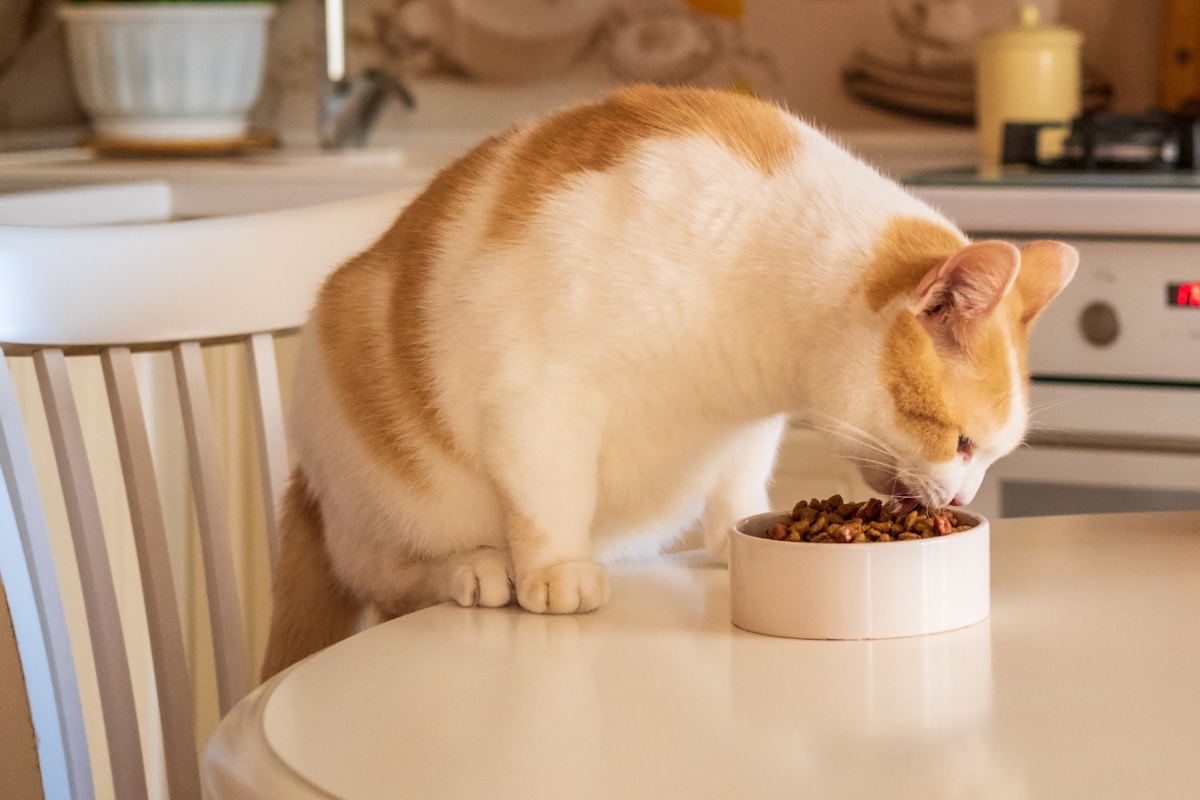
Watching your cat grow older is both heartwarming and emotional. Over the years, your feline companion becomes a cherished member of your family. However, as cats age, their needs gradually change. Therefore, understanding how to properly support them during their golden years becomes essential.
Senior cats typically enter this life stage around 7–10 years of age. While many remain playful and affectionate, aging can bring subtle physical and behavioral changes. Because cats instinctively hide discomfort, pet parents must stay attentive and proactive.
By adjusting nutrition, monitoring health closely, and creating a comfortable environment, you can significantly improve your cat’s quality of life. For pet families who want to ensure their aging companions thrive, especially those in Mooresville, NC, taking early preventive steps makes a meaningful difference.
Understanding the Aging Process in Cats
First, it helps to recognize what happens as cats age. Just like humans, senior cats experience slower metabolism, reduced muscle mass, and changes in organ function. Additionally, they may develop arthritis, kidney disease, dental problems, or thyroid imbalances.
However, aging does not automatically mean illness. Many cats live long, fulfilling lives when they receive proper support. Because early detection improves treatment outcomes, routine veterinary visits are more important than ever during this stage.
By staying observant and scheduling regular checkups, you create a strong foundation for long-term wellness.
Prioritize Regular Veterinary Visits
As your cat grows older, twice-yearly wellness exams become highly recommended. These visits allow veterinarians to monitor weight, organ function, dental health, and mobility.
During appointments at TotalBond Veterinary Hospital at Davidson, veterinarians may recommend bloodwork, urinalysis, and blood pressure checks. These diagnostic tools detect underlying conditions before symptoms become severe.
For example, early kidney disease often presents subtle signs like increased thirst or slight weight loss. If identified promptly, dietary adjustments and medication can significantly slow progression.
Therefore, consistent medical monitoring plays a central role in senior cat care and overall longevity.
Adjust Nutrition for Aging Needs
Nutrition directly impacts your cat’s health and energy levels. As metabolism slows, calorie needs may decrease. However, protein quality becomes even more important to maintain lean muscle mass.
Choose high-quality senior cat formulas that provide:
- Easily digestible protein
- Controlled phosphorus levels for kidney support
- Omega-3 fatty acids for joint health
- Antioxidants to support immune function
In addition, ensure fresh water is always available. Some senior cats prefer fountains, which encourage hydration and support kidney health.
If your cat has a diagnosed medical condition, your veterinarian may recommend a therapeutic diet. Always consult a professional before changing food, as sudden transitions can upset digestion.
Support Joint and Mobility Health
Arthritis is extremely common in older cats. Unfortunately, because cats are masters at masking pain, many owners do not notice mobility issues until they become advanced.
Watch for subtle signs such as:
- Hesitation before jumping
- Difficulty climbing stairs
- Reduced grooming
- Sleeping more than usual
- Stiffness after resting
To improve comfort, provide soft bedding in warm, quiet areas. Additionally, place litter boxes on accessible levels of your home to reduce strain. You may also consider pet ramps or low-sided litter boxes.
Veterinary-approved joint supplements or anti-inflammatory medications can further enhance mobility. With the right care plan, many cats regain comfort and activity.
Maintain Dental Health
Oral health significantly affects overall well-being. In fact, untreated dental disease can lead to infection, pain, and systemic illness.
Senior cats often accumulate tartar buildup, gum inflammation, or loose teeth. Therefore, professional dental cleanings and regular oral exams remain essential.
Signs of dental trouble include:
- Bad breath
- Drooling
- Difficulty chewing
- Decreased appetite
By addressing dental issues early, you prevent unnecessary discomfort and protect vital organs from infection spread.
Encourage Mental Stimulation
Although older cats may slow down physically, they still benefit from mental engagement. Interactive play sessions stimulate cognitive function and reduce boredom.
Use wand toys, puzzle feeders, or gentle laser play to encourage movement. Keep sessions short but consistent. Even five to ten minutes daily supports mental health.
Additionally, maintain familiar routines. Cats thrive on predictability. Feeding, playtime, and rest schedules should remain consistent to reduce stress.
When possible, create cozy window perches where your cat can watch birds or outdoor activity. Environmental enrichment strengthens emotional well-being and keeps your pet engaged.
Monitor Weight and Appetite
Weight changes can signal underlying health concerns. Sudden weight loss may indicate thyroid disease, diabetes, or kidney problems. Meanwhile, weight gain can strain joints and worsen arthritis.
Therefore, weigh your cat regularly at home or during veterinary visits. If you notice noticeable changes in appetite, thirst, or litter box habits, schedule an evaluation promptly.
Maintaining a healthy weight is one of the most important aspects of senior cat care and supports long-term vitality.
Create a Comfortable Living Environment
As cats age, comfort becomes a priority. Small adjustments around your home can significantly improve daily life.
Consider these modifications:
- Provide heated beds or warm blankets
- Ensure litter boxes are easily accessible
- Place food and water bowls on non-slip mats
- Reduce loud noises or stressful disruptions
- Keep grooming supplies handy for gentle brushing
Because older cats may groom less efficiently, regular brushing helps prevent matting and hairballs. Furthermore, gentle grooming sessions strengthen your bond and allow you to check for lumps or skin changes.
Watch for Behavioral Changes
Behavioral shifts often indicate underlying medical issues. For instance, increased vocalization at night may signal cognitive dysfunction or thyroid imbalance. Meanwhile, avoiding social interaction may suggest pain or illness.
Do not dismiss changes as “just old age.” Instead, consult your veterinarian to rule out treatable conditions.
Early intervention often improves both lifespan and quality of life.
The Emotional Side of Caring for a Senior Cat
Caring for an aging pet requires patience and compassion. Although it may feel challenging at times, these years can be deeply rewarding.
Senior cats often become more affectionate and calm. They seek companionship and comfort from their trusted humans. By providing attentive support, you strengthen your bond and ensure they feel safe and loved.
Partnering with a trusted veterinary team like TotalBond Veterinary Hospital at Davidson ensures you receive expert guidance tailored to your cat’s evolving needs.
Helping your aging feline thrive requires proactive attention, proper nutrition, and consistent veterinary care. By addressing health concerns early and creating a comfortable environment, you can significantly enhance your cat’s happiness and longevity.
If you are in Mooresville and looking for a senior cat care, book an appointment with TotalBond Veterinary Hospital at Davidson. Our veterinary team is committed to providing compassionate, comprehensive care to support your senior cat through every stage of life.
FAQs
1. At what age is a cat considered a senior?
Most cats are considered senior around 7–10 years old. However, individual aging rates may vary depending on breed and health history.
2. How often should senior cats see a veterinarian?
Senior cats should ideally have wellness exams every six months. Frequent visits help detect early signs of disease.
3. What are common health issues in older cats?
Arthritis, kidney disease, hyperthyroidism, dental disease, and diabetes are common in aging cats.
4. How can I tell if my senior cat is in pain?
Look for reduced activity, hiding, difficulty jumping, decreased grooming, or appetite changes. These subtle signs often indicate discomfort.
5. Should I change my cat’s diet as they age?
Yes, many senior cats benefit from specially formulated diets that support kidney, joint, and digestive health. Consult your veterinarian before switching food.
6. Can older cats still play and exercise?
Absolutely. Gentle, low-impact play helps maintain muscle tone and mental stimulation. Adjust intensity to your cat’s comfort level.