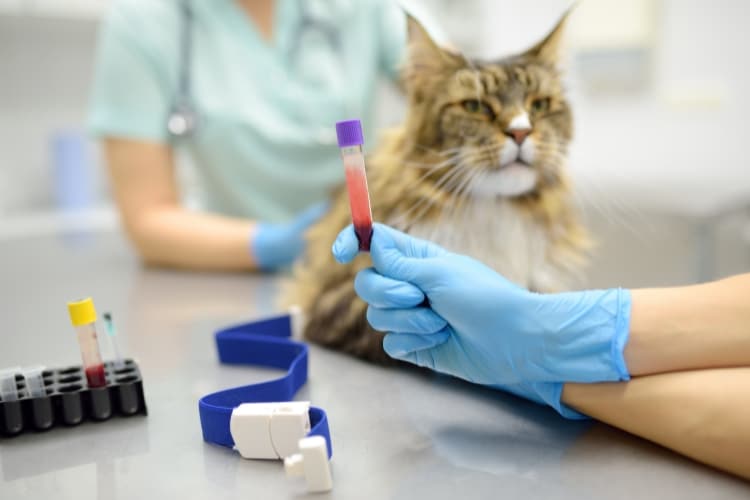
Heartworm disease is a potentially serious condition that affects a dog’s heart, lungs, and blood vessels. It develops when infected mosquitoes transmit microscopic heartworm larvae into a dog’s body. Over time, these parasites mature and can cause significant damage, even before noticeable symptoms appear. Understanding the warning signs and importance of preventive care helps pet owners reduce their dog’s risk.
For families with dogs, understanding parasite risks and routine pet diagnostic care is an important part of maintaining long-term health. TotalBond Veterinary Hospital at Bethel provides preventive veterinary services, including parasite testing and control, to help identify potential health concerns and support appropriate protection.
What Is Heartworm Disease in Dogs?
Heartworm disease is caused by a parasitic worm called Dirofilaria immitis. Infected mosquitoes transmit immature heartworms when they bite a dog. The larvae travel through the body and eventually mature, primarily affecting the heart, pulmonary arteries, and lungs.
Adult heartworms can interfere with normal blood circulation and cause inflammation and damage to the lungs and heart. Without appropriate veterinary treatment, the condition can become life-threatening.
Because mosquitoes can transmit heartworms, dogs that spend time outdoors are not the only ones at risk. Indoor dogs can also become infected through mosquito bites.
Common Symptoms of Heartworm Disease in Dogs
Heartworm disease often develops gradually. Some dogs show no noticeable signs during the early stages, making routine testing particularly important.
Common symptoms include:
- Persistent coughing: A mild, ongoing cough may develop as heartworms affect the lungs and surrounding blood vessels.
- Reduced energy: Infected dogs may become tired more quickly during walks, playtime, or other physical activities.
- Exercise intolerance: Dogs may struggle with activities they previously enjoyed.
- Decreased appetite: Some dogs experience changes in eating habits.
- Weight loss: Advanced infections may contribute to gradual weight loss and muscle deterioration.
- Difficulty breathing: Respiratory distress can occur as the disease progresses.
- Swollen abdomen: Fluid accumulation may develop in severe cases involving heart failure.
If your dog develops breathing difficulties, collapses, or experiences sudden weakness, seek immediate veterinary attention.
How Is Heartworm Disease Diagnosed?
Since early infections may not cause visible symptoms, veterinary testing is essential for identifying heartworm disease.
Veterinarians may recommend the following diagnostic procedures:
1. Heartworm Antigen Testing
An antigen blood test detects proteins produced by adult female heartworms. It is commonly used to screen dogs for infection and identify many established infections.
2. Microfilaria Testing
A microfilaria test examines a blood sample for immature heartworms circulating in the bloodstream. When combined with antigen testing, it provides additional diagnostic information.
3. Additional Diagnostic Imaging
If infection is suspected or confirmed, chest X-rays, ultrasound, and other diagnostic evaluations may help assess the extent of heart and lung involvement.
The appropriate testing plan depends on the dog’s symptoms, medical history, and preventive medication schedule.
Why Is Year-Round Heartworm Prevention Important?
Heartworm prevention should continue throughout the year rather than stopping during colder months. Mosquito activity can vary with weather, and occasional exposure may still create infection risks.
Veterinarians may recommend oral, topical, or injectable preventive medications based on a dog’s age, health, lifestyle, and medical history.
Pet owners can support prevention by:
- Administering prescribed preventive medication on schedule.
- Avoiding missed or delayed doses.
- Removing standing water where mosquitoes can breed.
- Using veterinarian-recommended mosquito protection.
- Scheduling regular wellness examinations and annual heartworm testing.
The Companion Animal Parasite Council recommends year-round prevention and annual antigen and microfilaria testing for dogs.
When Should You Schedule a Heartworm Test?
Most dogs should receive annual heartworm testing, even when they consistently receive preventive medication. Testing is particularly important before starting prevention in older dogs that have not previously received it or when there has been a lapse in medication.
If your dog misses a dose, consult your veterinarian rather than independently restarting or changing medication. Your veterinarian can recommend the appropriate testing and prevention schedule.
Protect Your Dog’s Health With Preventive Veterinary Care
Heartworm disease can cause serious complications, but consistent prevention and routine testing can significantly reduce the risk. Recognizing early warning signs and maintaining an appropriate medication schedule are important steps in protecting your dog’s health.
For pet owners in Lake Wylie, SC, regular wellness examinations, parasite screening, and veterinarian-guided prevention can help keep dogs protected throughout the year. Schedule your appointment with TotalBond Veterinary Hospital at Bethel to discuss heartworm testing and preventive care for your dog.
Frequently Asked Questions
Q1. Can indoor dogs get heartworm disease?
Ans: Yes. Indoor dogs can become infected when mosquitoes enter homes and bite them. Year-round prevention is recommended regardless of whether a dog primarily lives indoors or outdoors.
Q2. What are the first signs of heartworm disease in dogs?
Ans: Early infections may not cause noticeable symptoms. Persistent coughing, reduced energy, and exercise intolerance can develop as the disease progresses. Routine testing helps identify infections before obvious symptoms appear.
Q3. How often should dogs be tested for heartworms?
Ans: Annual heartworm testing is generally recommended, including for dogs receiving preventive medication. Dogs with missed doses or changes in prevention may require additional testing based on veterinary guidance.
Q4. What heartworm testing is available through TotalBond Veterinary Hospital at Bethel?
Ans: The hospital offers preventive care that includes parasite testing and control. A veterinarian can assess your dog’s risk and recommend appropriate screening and additional diagnostic evaluations when needed.
Q5. Can dogs get heartworms even when taking preventive medication?
Ans: Yes. Preventive medications are highly effective when administered correctly, but no preventive is 100% effective. Consistent administration and annual testing remain important.
Q6. Is heartworm disease treatable in dogs?
Ans: Yes. Treatment is available, but it requires veterinary supervision. Treatment protocols may involve medication to eliminate adult heartworms, supportive care, and restricted physical activity to reduce complications. Early diagnosis can help improve treatment outcomes.