

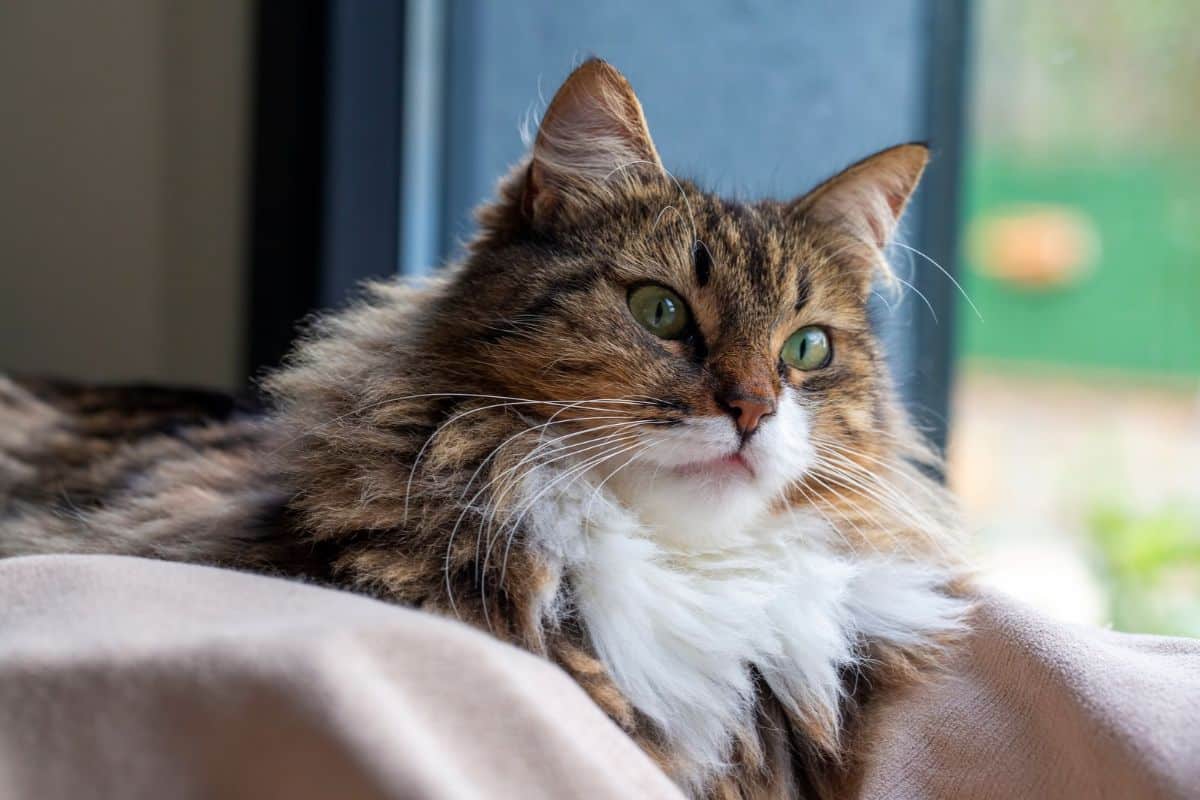
As cats grow older, their daily routines often change in ways that are easy to overlook. A cat that once chased toys across the living room may now prefer watching birds from a comfortable window. Another may spend longer hours sleeping or show less interest in exploring familiar spaces. Although slowing down is common with age, older cats still need opportunities to think, play, and interact with their surroundings.
Mental stimulation can help aging cats remain curious, maintain familiar behaviors, and enjoy their daily activities. This guide is especially for cat owners in Charlotte who want to understand how enrichment activities can support their older cats’ emotional well-being, physical comfort, and quality of life.
Why Is Mental Stimulation Important for Senior Cats?
Aging affects cats differently. Some remain playful well into their teenage years, while others gradually become less active. However, reduced physical activity does not necessarily mean a cat has lost interest in mental engagement.
Enrichment provides opportunities for cats to use their natural instincts, including hunting, exploring, observing, and problem-solving.
Regular mental stimulation may help older cats:
- Maintain curiosity about their surroundings.
- Enjoy positive interactions with family members.
- Participate in gentle physical activities.
- Experience less boredom during quiet periods.
- Maintain predictable and satisfying daily routines.
An effective senior cat care routine should consider both mental stimulation and physical health. Activities must match the cat’s mobility, energy level, and individual preferences.
How Does Aging Affect a Cat’s Behavior and Interests?
Older cats may experience changes in their senses, movement, and response to unfamiliar situations. Recognizing these differences helps owners choose activities their cats can enjoy comfortably.
Reduced Mobility and Physical Endurance
Arthritis and age-related muscle loss can make jumping, climbing, or chasing toys uncomfortable. Cats experiencing joint stiffness may avoid activities they previously enjoyed.
Low-impact games allow them to remain engaged without placing unnecessary pressure on their joints.
Changes in Vision and Hearing
Some senior cats develop reduced vision or hearing. These changes can make unfamiliar objects or sudden movements more difficult to interpret.
Toys with familiar textures, gentle sounds, or appealing scents may encourage participation. Owners should introduce new activities gradually and avoid startling their cats.
Increased Preference for Familiar Routines
Older cats often appreciate consistency. Frequent changes to their environment may cause stress, particularly when they have sensory limitations or cognitive changes.
Keeping feeding, playtime, and resting schedules predictable can help them feel secure while allowing opportunities for enrichment.
Seven Enrichment Activities That Keep Older Cats Engaged
Enrichment does not require expensive equipment or complicated activities. Small adjustments to everyday routines can provide meaningful stimulation.
Introduce Gentle Interactive Play
Interactive toys allow senior cats to practice natural hunting behaviors without strenuous exercise. Try slowly moving a wand toy across the floor rather than encouraging high jumps. Allow your cat to follow, reach, and occasionally capture the toy.
Short sessions lasting a few minutes may be more comfortable than extended playtime. Stop when your cat becomes tired, frustrated, or uncomfortable.
Encourage Exploration With Food Puzzles
Food puzzles encourage cats to think about how to obtain treats or portions of their regular meals. Begin with a simple puzzle that requires minimal effort. For example, place a few pieces of kibble inside an accessible puzzle feeder.
As your cat becomes familiar with the activity, introduce slightly more challenging options. Remember to include puzzle food in your cat’s daily calorie allowance. Our vets can provide nutritional guidance if your cat requires weight management or a prescription diet.
Create Comfortable Window-Watching Areas
Watching outdoor activity can provide entertainment for indoor cats. Place a supportive bed near a secure window where your cat can observe birds, trees, and passing activity.
If the window is elevated, provide stable steps or a ramp to make access easier. Avoid placing resting areas where your cat must make uncomfortable jumps. The goal is to encourage observation without increasing injury risks.
Use Scent-Based Enrichment
Cats rely heavily on their sense of smell to understand their environment. Introduce familiar cat-safe scents through toys, scratching surfaces, or small amounts of catnip.
Some cats respond positively to silvervine, although individual preferences vary. Allow your cat to investigate each new scent independently. Avoid essential oils and strongly scented household products, which may be harmful or irritating to cats.
Rotate Familiar Toys
Offering every toy simultaneously can make playtime less interesting. Instead, keep a small selection available and rotate toys every few days.
A familiar toy that has been stored temporarily may attract renewed attention. Choose lightweight toys that are easy to grasp or bat around. Avoid toys with detachable pieces, loose strings, or other materials that could be swallowed.
Provide Accessible Scratching and Climbing Options
Scratching remains an important natural behavior throughout a cat’s life. Older cats may prefer horizontal scratching pads or low, stable posts instead of tall structures.
Consider placing scratching surfaces near favorite resting areas. For cats that enjoy climbing, sturdy ramps and low platforms can provide opportunities to explore without requiring difficult jumps.
Make Daily Human Interaction Part of Enrichment
Not every enrichment activity requires a toy. Gentle brushing, quiet conversation, and relaxed time together can provide valuable social interaction.
Some cats enjoy learning simple behaviors through reward-based training. Teaching a cat to touch a target with its nose, for example, can encourage concentration without demanding extensive movement. Respect your cat’s preferences and allow them to leave whenever they want.
How Can You Make Your Home More Comfortable for an Aging Cat?
A comfortable environment encourages older cats to participate in daily activities.
Small changes can make familiar spaces easier to navigate.
- Accessible essentials: Keep food, water, and litter boxes within easy reach.
- Supportive bedding: Provide soft resting areas away from household disturbances.
- Non-slip surfaces: Place rugs on slippery floors to improve stability.
- Low-entry litter boxes: Choose boxes that do not require uncomfortable climbing.
- Quiet retreat areas: Provide places where your cat can rest without interruption.
These adjustments become particularly important when arthritis, vision changes, or reduced mobility affect everyday activities.
Owners should also monitor how easily their cats move between resting areas, feeding stations, and litter boxes.
When Does Reduced Interest in Play Indicate a Health Problem?
A gradual change in activity can accompany aging, but sudden withdrawal or persistent inactivity should not automatically be considered normal.
Several medical conditions can affect an older cat’s willingness to participate in enrichment. Arthritis may make movement painful, while dental disease can reduce interest in food-related activities. Kidney disease, thyroid disorders, and other medical problems may also influence energy levels and behavior.
Watch for warning signs such as:
- Sudden loss of interest in favorite activities
- Unexplained weight loss or appetite changes
- Difficulty jumping or walking
- Increased vocalization or nighttime restlessness
- Confusion or unusual changes in social behavior
These symptoms deserve veterinary attention. Sudden weakness, collapse, or severe disorientation requires prompt evaluation.
How Veterinary Care Supports Mental Engagement in Older Cats
Mental enrichment works most effectively when a cat’s underlying health needs are addressed. At our veterinary hospital near you, we evaluate age-related concerns that may affect your cat’s comfort, behavior, and activity levels.
Senior wellness examinations help us assess mobility, body condition, dental health, and changes in everyday behavior. When medically appropriate, diagnostic testing can help identify conditions that may not be obvious at home.
Our approach to senior cat care also includes discussing nutrition, pain management, environmental adjustments, and suitable activity levels. By understanding your cat’s medical history and daily habits, our vets can recommend practical ways to support continued engagement.
Help Your Senior Cat Enjoy Every Stage of Life
Growing older should not mean losing the enjoyment of play, exploration, and companionship. With thoughtful enrichment, a comfortable home, and regular veterinary attention, senior cats can continue participating in activities that make their days meaningful.
At TotalBond Veterinary Hospital at Paw Creek, we help Charlotte cat owners understand their aging pets’ changing needs. Our veterinary team provides senior wellness care, diagnostic evaluations, and guidance to support comfort and long-term health.
If your older cat has become less active or seems uninterested in familiar activities, schedule an appointment with our veterinary practice today. Call us to schedule a senior wellness examination and let our vets help your cat remain comfortable, curious, and engaged throughout their golden years.
Frequently Asked Questions
1. How much daily enrichment does a senior cat need?
Ans: Most senior cats benefit from several brief enrichment opportunities throughout the day. Start with three to five minutes of gentle activity and adjust according to your cat’s interest, energy level, mobility, and comfort.
2. Can enrichment activities help cats with arthritis?
Ans: Yes. Low-impact activities, accessible food puzzles, and gentle interactive games may encourage engagement without excessive joint strain. However, enrichment cannot replace arthritis treatment. A veterinary examination can help determine appropriate activities and pain management options.
3. What are signs of cognitive decline in older cats?
Ans: Possible signs include disorientation, nighttime vocalization, altered sleeping patterns, litter box changes, and reduced social interaction. These symptoms can have several medical causes, so veterinary evaluation is important before assuming cognitive decline.
4. Where can I get advice about enrichment for my senior cat in Charlotte?
Ans: TotalBond Veterinary Hospital at Paw Creek helps Charlotte cat owners understand age-related behavioral and physical changes. Our vets can evaluate your cat’s health and recommend appropriate activities based on mobility, comfort, and individual needs.
5. Can my senior cat receive a wellness examination in Charlotte?
Ans: Yes. TotalBond Veterinary Hospital at Paw Creek provides senior pet care in Charlotte. Our veterinary team can assess age-related health concerns and discuss preventive care, diagnostic testing, nutrition, and activity recommendations for your aging cat.
6. Who can help if my older cat suddenly stops playing in Charlotte?
Ans: Contact TotalBond Veterinary Hospital at Paw Creek if your senior cat suddenly becomes inactive or withdrawn. Our vets can examine your cat, investigate possible medical causes, and recommend appropriate treatment and supportive home adjustments.