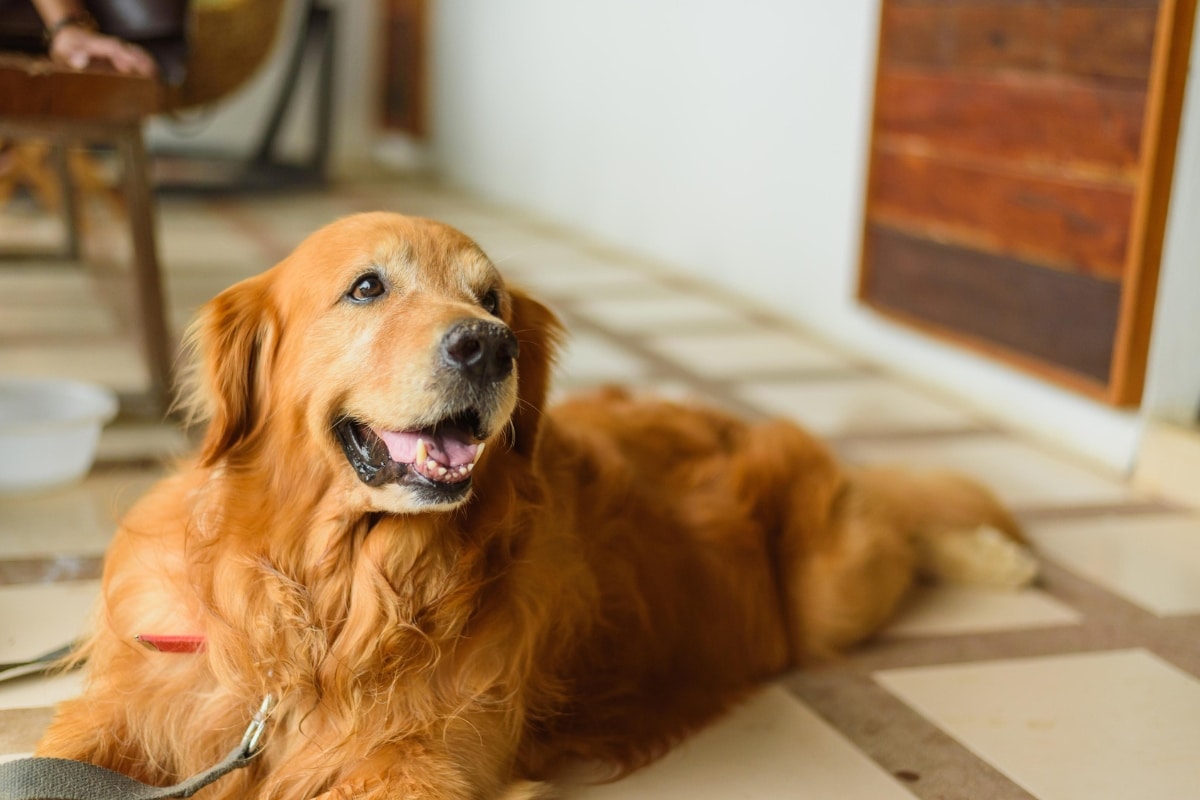


As dogs grow older, their needs change just as much as people’s do. While the love and companionship remain constant, aging pets often require extra attention, preventive care, and thoughtful lifestyle adjustments. With the right approach, however, senior dogs can continue to enjoy comfort, happiness, and a high quality of life well into their golden years.
At TotalBond Veterinary Hospital at Davidson, we believe proactive senior dog care helps pets age gracefully while strengthening the bond they share with their families. Understanding what your aging dog needs is the first step toward supporting long-term health and well-being.
When Is a Dog Considered a Senior?
Dogs typically enter their senior stage between the ages of 7 and 10, depending on breed and size. Larger breeds tend to age faster, while smaller dogs may remain active for longer. Although your dog may still appear energetic, subtle internal changes often begin before obvious signs appear.
Therefore, recognizing the transition into seniorhood allows pet owners to adjust care routines early rather than waiting for problems to arise.
Why Senior Dog Care Matters
As dogs age, their immune systems weaken, metabolism slows, and joints become less flexible. Because of these changes, senior dogs face a higher risk of developing chronic conditions such as arthritis, dental disease, kidney issues, and heart problems.
However, with consistent veterinary care and home support, many age-related concerns can be managed effectively. Early detection, in particular, plays a vital role in improving outcomes and maintaining comfort.
Common Health Changes in Senior Dogs
Although every dog ages differently, several health changes commonly appear during the senior years:
Reduced Mobility
Stiff joints, muscle loss, and arthritis can limit movement. As a result, dogs may hesitate to climb stairs, jump, or go on long walks.
Changes in Vision and Hearing
Cloudy eyes, reduced night vision, or hearing loss may develop gradually. While these changes are often manageable, they can affect confidence and awareness.
Weight Fluctuations
Some senior dogs gain weight due to reduced activity, while others lose weight because of dental problems or underlying illness.
Cognitive Changes
In some cases, dogs experience cognitive dysfunction, which may cause confusion, pacing, or changes in sleep patterns.
Recognizing these signs early allows pet owners to seek guidance and make helpful adjustments.
The Importance of Regular Wellness Exams
Routine veterinary visits become even more important during a dog’s senior years. Instead of annual checkups, many veterinarians recommend wellness exams every six months for aging pets.
During these visits, veterinarians assess weight, mobility, heart and lung health, dental condition, and behavior changes. In addition, diagnostic screenings can help identify hidden conditions before they progress.
As a result, regular exams provide peace of mind while supporting proactive care.
Nutrition for Aging Dogs
Nutrition plays a crucial role in senior dog health. Because older dogs burn fewer calories, they often benefit from diets formulated specifically for seniors. These diets typically support joint health, digestion, and immune function.
Moreover, high-quality protein helps maintain muscle mass, while appropriate fiber levels support digestion. If your dog has a medical condition, your veterinarian may recommend a specialized diet.
Above all, feeding the right diet at the right stage helps dogs stay active and comfortable.
Supporting Mobility and Comfort
Maintaining mobility improves both physical health and emotional well-being. Even gentle daily activity helps keep joints flexible and muscles strong. Short, frequent walks often work better than long outings.
Additionally, supportive measures such as orthopedic bedding, ramps, and non-slip flooring can reduce strain on aging joints. Pain management strategies may also help dogs remain comfortable and active.
With proper support, many senior dogs continue to enjoy their favorite routines.
Dental Care for Senior Dogs
Dental disease affects many aging dogs and can lead to pain, infection, and systemic illness. Regular dental exams and cleanings help prevent complications while improving overall comfort.
At home, brushing your dog’s teeth and offering dental-approved treats can further support oral health. Because dental issues often worsen quietly, consistent care remains essential.
Creating a Senior-Friendly Home
As dogs age, small changes at home can make a big difference. Providing easy access to food, water, and resting areas reduces unnecessary strain. Keeping routines consistent also helps dogs feel secure, especially if vision or hearing declines.
In addition, spending quality time together through gentle play or quiet companionship supports emotional health. Senior dogs still thrive on attention and affection.
Emotional Well-Being in Senior Dogs
Physical health and emotional well-being go hand in hand. Older dogs may become more sensitive to stress or environmental changes. Therefore, patience, reassurance, and consistency help them feel safe and confident.
Mental stimulation also remains important. Puzzle toys, scent games, and light training sessions can keep senior dogs engaged while strengthening the bond they share with their owners.
Caring for a senior dog requires understanding, commitment, and compassionate support. With proactive veterinary care, proper nutrition, mobility support, and a loving home environment, aging dogs can continue to live fulfilling lives. At TotalBond Veterinary Hospital at Davidson, we proudly support families seeking trusted senior pet care in Mooresville, NC, helping pets remain healthy, comfortable, and happy throughout their golden years.
FAQs
Q1. At what age is a dog considered senior?
Ans. Most dogs are considered seniors around the age of 7. However, the age at which your dog enters their senior years depends on their breed and size. Larger dogs tend to age faster than smaller dogs.
Q2. How often should I take my senior dog to the vet?
Ans. Senior dogs should have check-ups every six months, or more frequently if they have health issues. Regular vet visits help monitor any age-related health problems and catch issues early.
Q3. How can I manage my senior dog’s arthritis?
Ans. Joint supplements, anti-inflammatory medications, and regular low-impact exercise can help manage arthritis in senior dogs. Speak with your vet to develop a tailored treatment plan.
Q4. Is it common for senior dogs to have dental issues?
Ans. Yes, dental disease is common in senior dogs. Brushing your dog’s teeth regularly, providing dental chews, and scheduling professional cleanings can help prevent dental issues.
Q5. How can I help my senior dog with vision loss?
Ans. Ensure your home is safe for your dog by removing obstacles and providing clear paths. Use non-verbal communication, such as hand signals, to help them navigate.
Q6. What can I do to keep my senior dog’s weight in check?
Ans. Monitor your dog’s calorie intake and adjust their diet based on their activity level. Regular exercise and portion control are key to maintaining a healthy weight in senior dogs.