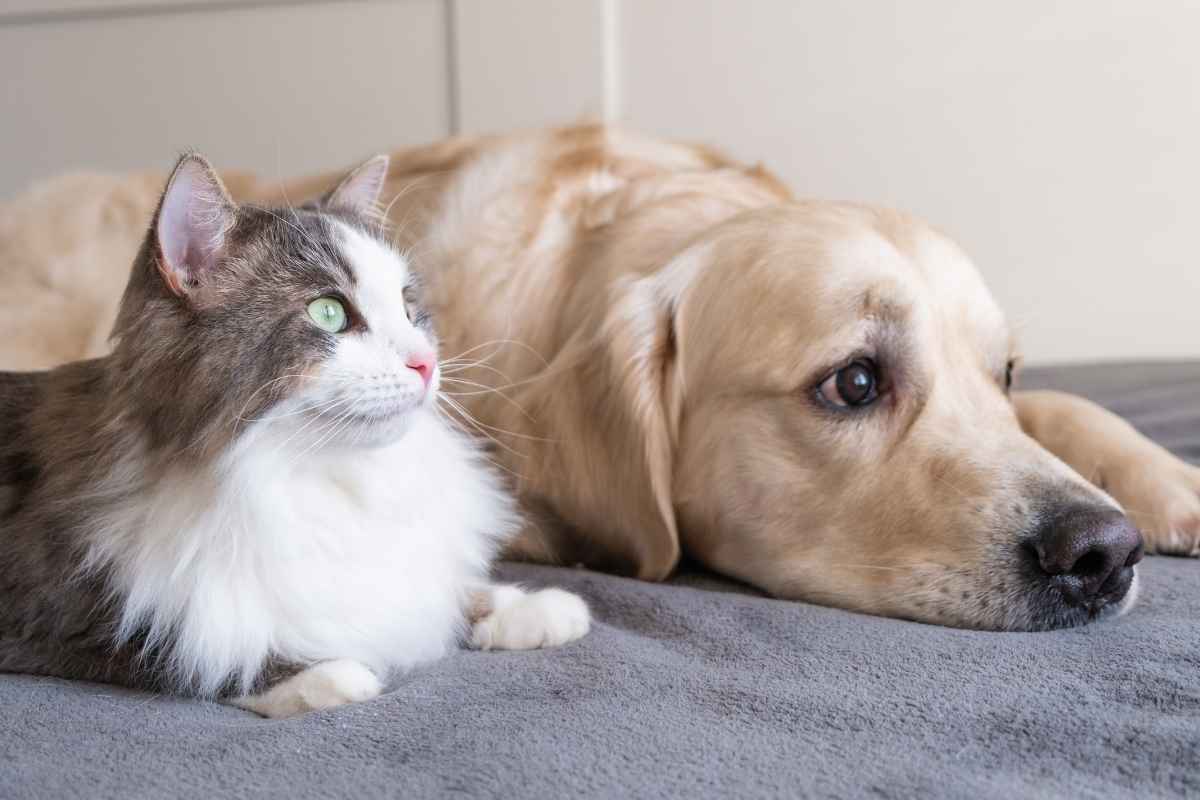


A sudden loss of appetite can be alarming for any pet owner. When your dog or cat refuses food, it may feel unusual and concerning. Pets often cannot communicate when something feels wrong. Changes in eating habits can sometimes be the first sign of an underlying health issue.
While some appetite changes may be temporary, others require urgent pet care. Understanding possible causes and knowing when to seek veterinary help can protect your pet’s health.
At TotalBond Veterinary Hospital at Davidson, pet owners receive compassionate support and medical care when their pets need attention. If you find sudden changes in your pet’s eating habits, do not delay; visit our veterinary hospital today!
Why Did Your Pet Suddenly Stop Eating?
Pets may stop eating for many reasons. Some causes are mild, while others may require immediate evaluation. Identifying other symptoms can help determine the next steps.
Common reasons include:
- Stress from changes in their environment
- Sudden food changes
- Dental discomfort or oral pain
- Digestive problems
- Infections or illness
- Medication side effects
- Pain or injury
- Anxiety or fear
A pet that skips one meal may not always have a serious problem. However, refusing food for an extended period can affect their overall health.
Cats especially need careful monitoring. Long periods without eating can increase the risk of serious complications. Dogs can also experience health concerns when appetite changes continue.
How Long Can a Pet Go Without Eating?
The answer depends on your pet’s age, size, health condition, and species. A healthy adult pet may occasionally miss a meal. However, ongoing refusal to eat should never be ignored.
Contact your veterinarian if your pet:
- Refuses food for more than 24 hours
- Shows signs of weakness or discomfort
- Has vomiting or diarrhea
- Experiences sudden weight loss
- Appears unusually tired
- Drinks much more or less water than usual
Young pets, senior pets, and pets with existing health concerns may need attention sooner. Their bodies may not handle prolonged appetite loss as well as healthy adult pets.
What Should You Check When Your Pet Stops Eating?
Before contacting your veterinarian, observe your pet carefully. Small details can provide important information about their condition.
Consider checking:
Changes in Behavior
Notice whether your pet seems withdrawn, restless, or less active. Behavioral changes often accompany illness or discomfort.
Signs of Pain
Look for hiding, limping, whining, excessive licking, or difficulty moving. These signs may indicate pain that requires evaluation.
Food and Water Intake
Track how much your pet eats and drinks. Reduced water intake can increase concerns about dehydration.
Bathroom Habits
Changes in urination or bowel movements can provide clues about digestive or urinary issues. Keeping notes about these changes can help your veterinarian understand what is happening.
What Can You Do at Home Before Visiting a Vet?
If your pet seems comfortable and has no emergency symptoms, you can try a few simple steps. First, check whether the food is fresh and stored properly. Pets may refuse food because of changes in smell or taste.
You can also:
- Offer their regular food at scheduled times
- Keep their feeding area calm
- Avoid giving too many treats
- Provide fresh water
- Reduce stressful situations
Avoid forcing your pet to eat. This can create more stress and may worsen the situation.
If appetite does not return, professional guidance is important.
When Should You Seek Veterinary Care?
A sudden loss of appetite can sometimes indicate a condition that needs medical attention. Your veterinarian can perform an examination and determine the possible cause.
Seek veterinary care quickly if your pet stops eating along with:
- Difficulty breathing
- Severe vomiting
- Bloody stool
- Extreme tiredness
- Collapse
- Signs of severe pain
- Possible toxin exposure
These symptoms may require immediate evaluation. Delaying care can allow certain conditions to become more serious.
For pet owners in Mooresville, we provide evaluation and treatment options for pets experiencing sudden health concerns. Our team focuses on identifying the cause and providing appropriate care based on each pet’s needs. When a situation cannot wait for a regular appointment, seeking urgent pet care can help address unexpected health changes quickly.
How Veterinarians Diagnose Appetite Loss in Pets
A veterinarian begins with a complete physical examination. They review your pet’s symptoms, medical history, and recent changes. Depending on the findings, your veterinarian may recommend additional testing.
Possible evaluations may include:
Physical Examination
The vet checks your pet’s overall condition, including weight, hydration, temperature, and physical signs.
Blood Testing
Bloodwork can help identify infections, organ concerns, inflammation, or other internal problems.
Diagnostic Imaging
X-rays or other imaging may help detect issues involving the digestive system or internal organs.
Dental Evaluation
Dental pain is a common reason pets avoid food. A dental check can identify discomfort caused by oral problems. Finding the cause allows your veterinarian to create a suitable treatment plan.
How Can You Help Prevent Appetite Changes?
While some health problems cannot be prevented, regular care can support your pet’s overall wellness.
Helpful steps include:
- Scheduling routine wellness examinations
- Maintaining a consistent diet
- Monitoring weight changes
- Providing dental care
- Keeping harmful substances away
- Watching for behavior changes
Regular veterinary visits help identify health concerns before they become more serious.
Why Prompt Care Matters When Your Pet Stops Eating
Pets often hide signs of illness. A small change, like skipping meals, may be their only way of showing discomfort. Quick action helps your pet receive proper evaluation before symptoms worsen. Early attention can improve treatment outcomes and support a faster recovery.
We understand the bond between pets and families. We provide compassionate care focused on your pet’s comfort and health. Never delay when you find changes in your pet’s daily habits; contact us immediately.
Get Support for Your Pet’s Sudden Appetite Changes
A pet refusing food can leave you feeling worried and uncertain. Paying attention to changes and seeking professional advice can make a difference.
At TotalBond Veterinary Hospital at Davidson, the veterinary team helps families understand their pets’ health concerns with thoughtful evaluations and personalized treatment recommendations.
If your pet suddenly stops eating or shows concerning symptoms, contact us for professional guidance. Our team provides urgent pet care in Mooresville to address unexpected health needs and support your pet’s well-being.
FAQs
1. Why is my dog suddenly refusing food?
Dogs may stop eating because of stress, digestive issues, dental pain, illness, or changes in their routine. If appetite loss continues or other symptoms appear, veterinary evaluation is recommended.
2. Should I worry if my cat skips one meal?
A single missed meal may not always indicate a serious problem. However, cats that continue refusing food should be evaluated because prolonged appetite loss can create health risks.
3. What should I do if my pet stops eating and drinking?
Contact your veterinarian if your pet refuses both food and water. Reduced water intake can increase the risk of dehydration and may require prompt attention.
4. Can dental problems cause pets to stop eating?
Yes. Dental pain, infections, and oral discomfort can make chewing difficult. A veterinary dental evaluation can help identify and address these concerns.
5. How do veterinarians treat a pet that will not eat?
Treatment depends on the underlying cause. Your veterinarian may recommend medication, dietary changes, dental care, supportive treatment, or additional medical care.
6. When is loss of appetite considered an emergency?
Loss of appetite becomes more concerning when paired with severe symptoms. Breathing problems, collapse, severe pain, toxin exposure, or repeated vomiting require immediate veterinary attention.
7. Can stress cause my pet to stop eating?
Yes. Stress from moving, new pets, schedule changes, or unfamiliar environments can affect appetite. If eating does not return, consult your veterinarian for guidance.