

Spring is a beautiful season in Belmont, bringing warmer weather, blooming flowers, and more opportunities for pets to enjoy the outdoors. However, it’s also the time when parasites like fleas, ticks, mosquitoes, and intestinal worms become more active. These pests are more than just a nuisance—they can pose serious health risks to your dog or cat if left untreated.
At New Hope Veterinary Hospital, we believe prevention is the best defense. Understanding how parasites affect pets and taking proactive steps can help your furry companion stay safe, comfortable, and healthy throughout the spring season.
Why Parasite Prevention Matters in Spring
As temperatures rise, parasites begin reproducing rapidly. Fleas thrive in warm, humid environments, ticks become active in wooded and grassy areas, and mosquitoes return to spread dangerous diseases like heartworm.
Parasites can cause a range of problems, including:
- Skin irritation and allergic reactions
- Hair loss and excessive scratching
- Anemia from blood loss
- Digestive issues caused by intestinal worms
- Lyme disease and other tick-borne illnesses
- Heartworm disease in dogs and cats
Many parasite-related illnesses can become severe or even life-threatening if not treated early. Preventive care is far easier and more affordable than treating advanced infections.
Common Parasites That Affect Pets
Fleas
Fleas are among the most common external parasites found on pets. They multiply quickly and can infest your home in a short period of time. Even a single flea can lead to significant itching and discomfort.
Signs of flea infestations include:
- Constant scratching or biting at the skin
- Red or irritated skin
- Hair loss
- Flea dirt in the coat
- Restlessness
Some pets also develop flea allergy dermatitis, a condition that causes intense itching from flea saliva.
Ticks
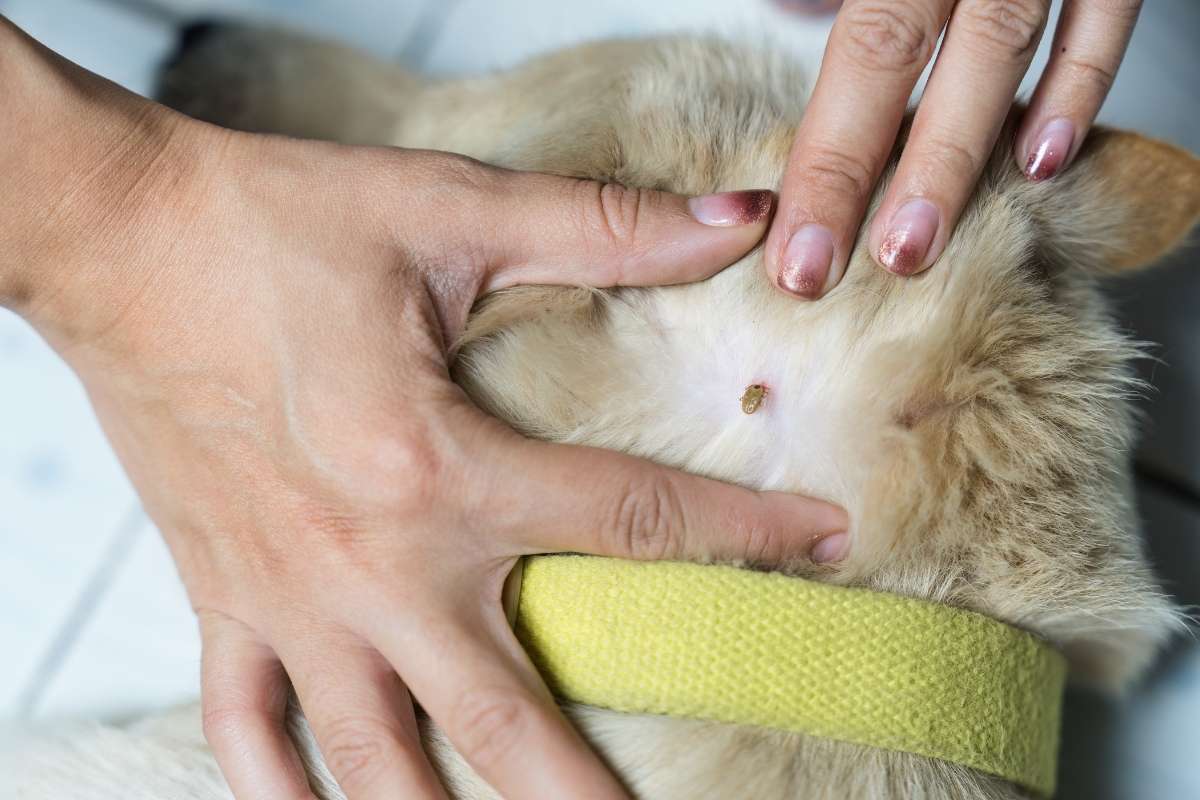
Ticks are commonly found in wooded trails, tall grass, parks, and even backyards. They attach to pets while feeding on blood and can transmit harmful diseases.
Tick-borne illnesses may include:
- Lyme disease
- Ehrlichiosis
- Rocky Mountain spotted fever
- Anaplasmosis
Regular tick checks and preventive medications are essential during spring and summer.
Mosquitoes and Heartworm Disease
Mosquitoes transmit heartworm larvae through bites. Once infected, heartworms can grow inside the heart, lungs, and blood vessels, leading to serious complications.
Heartworm disease can cause:
- Persistent coughing
- Fatigue after exercise
- Breathing difficulties
- Weight loss
- Heart failure in severe cases
Because treatment can be difficult and expensive, prevention remains the safest option.
Intestinal Parasites
Roundworms, hookworms, whipworms, and tapeworms are common intestinal parasites in pets. These parasites can affect both pets and humans, especially children.
Symptoms may include:
- Diarrhea
- Vomiting
- Weight loss
- Bloated abdomen
- Poor coat condition
Routine fecal testing helps detect intestinal parasites early.
Vet-Recommended Parasite Prevention Tips
Keep Your Pet on Year-Round Preventives
One of the best ways to protect your pet is by using veterinarian-approved parasite preventives consistently throughout the year. Many pet owners stop prevention during colder months, but parasites can survive indoors and become active whenever temperatures rise.
Preventive products may include:
- Flea and tick preventives
- Heartworm medications
- Broad-spectrum parasite control products
Your veterinarian can recommend the safest and most effective option based on your pet’s age, size, lifestyle, and health condition.
Maintain a Clean Home Environment
Parasites can easily hide in carpets, bedding, upholstery, and outdoor areas. Keeping your home clean reduces the risk of infestations.
Helpful cleaning tips include:
- Wash pet bedding weekly in hot water
- Vacuum carpets and furniture regularly
- Keep lawns trimmed short
- Remove leaf piles and yard debris
- Clean litter boxes and outdoor pet areas frequently
Environmental control plays a major role in preventing fleas and ticks from multiplying.
Check Your Pet After Outdoor Activities
After walks, hikes, or playtime outside, inspect your pet carefully for ticks and fleas. Pay close attention to:
- Around the ears
- Under the collar
- Between the toes
- Under the tail
- Around the armpits and groin
Early removal of ticks can lower the risk of disease transmission.
Schedule Routine Veterinary Exams
Regular wellness visits allow veterinarians to detect early signs of parasite infections before they become serious. Routine exams often include:
- Physical evaluations
- Fecal testing
- Heartworm testing
- Preventive medication recommendations
If your pet spends time outdoors frequently, seasonal checkups become even more important.
Protect Pets During Peak Parasite Hours
Mosquitoes are most active around dawn and dusk. Limiting outdoor exposure during these times can reduce the risk of heartworm transmission.
For ticks and fleas, avoid letting pets roam through heavily wooded or overgrown areas without proper protection.
Watch for Early Warning Signs
Parasite infestations often begin with subtle symptoms. Contact your veterinarian if you notice:
- Excessive scratching
- Red or flaky skin
- Lethargy
- Loss of appetite
- Changes in stool
- Coughing or breathing issues
Early intervention can prevent more serious health complications.
Parasite Prevention for Puppies and Kittens
Young pets are especially vulnerable to parasites because their immune systems are still developing. Puppies and kittens commonly acquire intestinal worms from their mother shortly after birth.
Veterinarians typically recommend:
- Early deworming schedules
- Age-appropriate preventives
- Routine fecal exams
- Regular wellness visits
Protecting pets early helps support healthy growth and development.
Why Professional Guidance Matters
Over-the-counter parasite products may not always provide complete protection and can sometimes be unsafe if used incorrectly. Some products target only one parasite type, while others offer broader coverage.
Veterinary guidance ensures:
- Correct dosage and administration
- Safe product selection
- Proper testing before treatment
- Customized preventive care plans
At New Hope Veterinary Hospital in Belmont, our veterinary team helps pet owners choose reliable parasite prevention solutions tailored to their pet’s unique needs.
Creating a Spring Wellness Routine for Your Pet
Spring is the perfect time to refresh your pet’s preventive care routine. Along with parasite prevention, consider focusing on:
- Balanced nutrition
- Regular exercise
- Grooming and coat care
- Vaccination updates
- Dental health
Combining preventive healthcare with regular veterinary visits supports your pet’s long-term well-being.
If your pet is due for preventive care or parasite screening, now is an excellent time to book an appointment and prepare for a healthy spring season.
Final Thoughts
Parasites are a common but preventable threat to pets during spring. Fleas, ticks, mosquitoes, and intestinal worms can affect your pet’s comfort and overall health if left unchecked. By staying proactive with preventive medications, routine exams, and proper home care, pet owners can greatly reduce the risk of parasite-related illnesses.
At New Hope Veterinary Hospital, we are committed to helping pets in Belmont stay protected year-round with compassionate, preventive veterinary care.
FAQs
1. How often should my pet receive flea and tick prevention?
Ans: Most flea and tick preventives are given monthly, though some products may last longer. Your veterinarian can recommend the best schedule for your pet.
2. Can indoor pets still get parasites?
Ans: Yes. Indoor pets can still be exposed to fleas, mosquitoes, and intestinal parasites brought inside by people or other animals.
3. What are the signs of heartworm disease in dogs?
Ans: Common symptoms include coughing, fatigue, breathing difficulties, and decreased activity levels. Early stages may show no obvious symptoms.
4. Are natural parasite remedies effective?
Ans: Some natural remedies may offer limited support, but they are usually not as reliable as veterinarian-approved preventive medications.
5. How do veterinarians test for intestinal parasites?
Ans: Veterinarians typically perform a fecal examination to check for parasite eggs or larvae in your pet’s stool sample.
6. Why is spring considered a parasite season?
Ans: Warmer temperatures and increased humidity create ideal conditions for fleas, ticks, and mosquitoes to reproduce and thrive.