

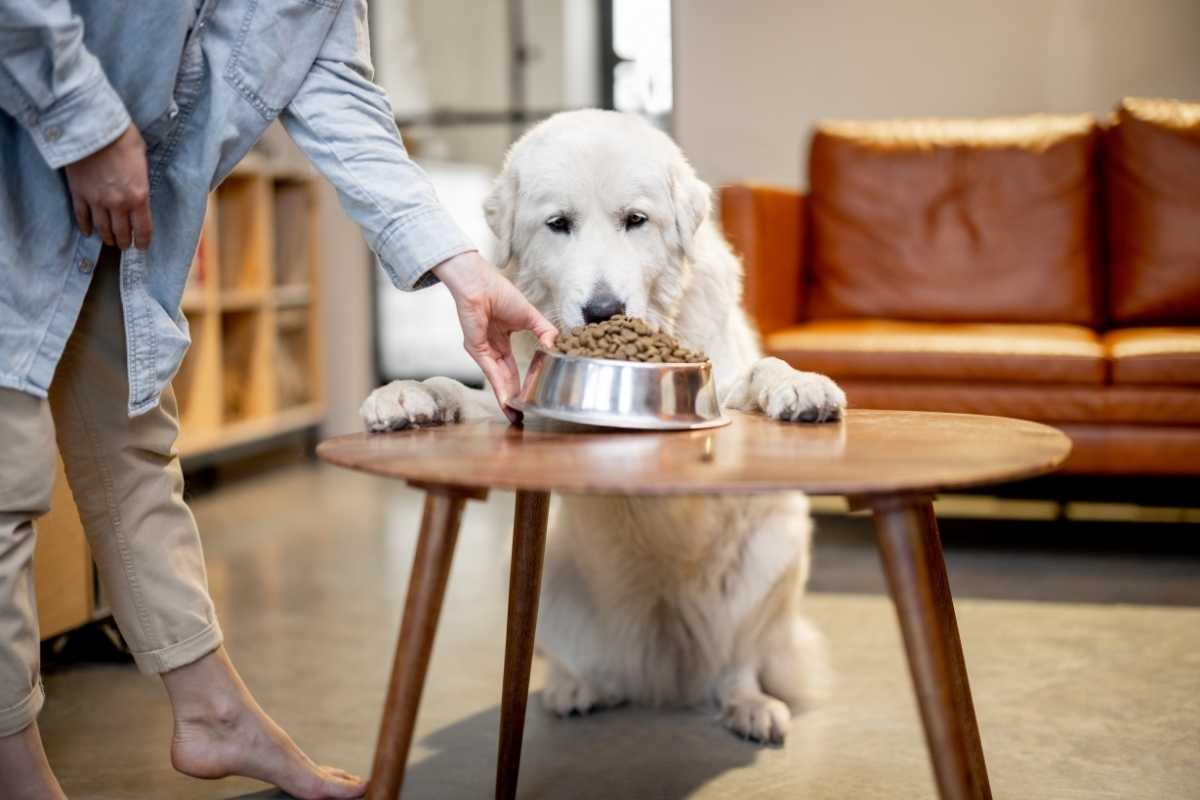
Watching your pet grow older is one of the most bittersweet parts of pet ownership. The playful puppy or curious kitten who once had endless energy is now moving a little slower, sleeping a little longer, and perhaps showing signs of stiffness or weight changes. What many pet owners don’t realize is that nutrition plays a central role in how comfortably and healthily a pet ages, and getting it right can meaningfully improve your companion’s quality of life. At TotalBond Veterinary Hospital at Bethel, we work closely with pet families in and beyond Lake Wylie, SC to build nutrition plans that address the unique needs of aging pets, because the right food at the right life stage is one of the most powerful tools we have.
When Does a Pet Become “Senior”?
The answer varies by species and size. Generally, dogs are considered seniors around age 7, though large and giant breeds age faster and may reach senior status as early as 5 or 6. Cats typically enter their senior years around 10 to 12. Once pets reach this stage, their bodies begin to change in ways that directly affect their nutritional needs: metabolism slows, muscle mass may decline, organ efficiency decreases, and joints often become inflamed or worn.
Feeding a senior pet the same diet they ate at age 2 is like following the same health plan for a 70-year-old as a 30-year-old, it simply doesn’t account for what the body now needs.
Key Nutritional Needs of Aging Pets
Protein: More Than You Might Think
A common misconception is that senior pets need less protein to protect aging kidneys. In most healthy senior pets, the opposite is true. High-quality, easily digestible protein is essential to preserve lean muscle mass, which naturally declines with age. Loss of muscle, a condition called sarcopenia, can make pets weaker, reduce their mobility, and slow their recovery from illness.
Unless your veterinarian has diagnosed a specific kidney condition requiring protein restriction, prioritize senior formulas with quality protein sources like chicken, turkey, fish, or eggs listed as the first ingredient.
Healthy Fats and Omega-3 Fatty Acids
Omega-3 fatty acids, particularly EPA and DHA found in fish oil, are among the most well-researched nutritional supports for senior pets. These healthy fats help reduce inflammation in joints, support cognitive function (important for pets experiencing age-related cognitive decline), and promote a healthy skin and coat, which can become dull or dry in older animals.
Look for foods with added fish oil, or ask your veterinarian about an appropriate omega-3 supplement.
Controlled Phosphorus and Sodium
As pets age, the kidneys and heart can become less efficient. Diets moderately controlled in phosphorus help reduce the workload on aging kidneys, while lower sodium levels can support heart health in predisposed breeds. These adjustments don’t require a prescription diet in all cases, but they do require attention to the ingredient label.
Fiber for Digestive Health
Senior pets often experience changes in their digestive motility, making constipation or loose stools more common. Adequate dietary fiber supports a healthy gut microbiome and keeps digestion regular. Ingredients like pumpkin, sweet potato, and beet pulp are gentle, effective fiber sources.
Joint-Supporting Nutrients
Joint disease, especially osteoarthritis, affects a significant percentage of dogs and cats over the age of 7. Nutritional compounds that support cartilage health include:
- Glucosamine and Chondroitin – These naturally occurring compounds support cartilage repair and reduce joint degradation. Many senior pet foods include them, and veterinary-grade supplements are also available.
- Green-Lipped Mussel – A natural source of omega-3s and glycosaminoglycans that has shown promise in supporting joint comfort.
- Antioxidants (Vitamins C and E) – Help neutralize oxidative stress in joint tissues.
Hydration: The Overlooked Factor
Senior pets, particularly cats, are prone to chronic dehydration, which can accelerate kidney disease and cause urinary issues. Wet food is an excellent way to increase moisture intake without forcing your pet to drink more water. For pets on a dry food diet, consider adding warm water or low-sodium broth to meals to encourage fluid consumption.
Maintaining a Healthy Weight
Obesity in senior pets worsens arthritis, strains the heart and kidneys, and reduces lifespan. On the flip side, unexplained weight loss in older pets is often an early indicator of thyroid disease, diabetes, kidney disease, or cancer, and should never be ignored.
Monitoring your pet’s body condition score (BCS) at home, checking whether you can feel but not see their ribs, and looking for a visible waist when viewed from above, is a simple way to stay ahead of weight-related concerns between vet visits.
The Role of Senior Pet Care
Proper nutrition is only one piece of the puzzle. Comprehensive senior pet care includes regular veterinary checkups (typically every six months for older pets), baseline blood and urine panels to catch organ changes early, dental care (dental disease is widespread in aging pets and can affect systemic health), and pain management for joint conditions. Working with a veterinarian who understands the full picture of your pet’s health allows nutrition recommendations to be tailored, not generic.
Whether your pet has been diagnosed with a condition or is simply getting older, a veterinarian can help identify the earliest signs of organ or joint changes before they become serious problems. Senior pet care is not reactive, it is proactive.
Practical Tips for Transitioning to a Senior Diet
- Transition gradually – Switch foods over 7 to 10 days to avoid digestive upset. Begin with 25% new food mixed with 75% old food, then slowly shift the ratio.
- Smaller, more frequent meals – Two to three smaller meals per day are gentler on senior digestive systems than one large meal.
- Warm food slightly – Heating food to just above room temperature can enhance aroma and improve palatability for pets with reduced appetite.
- Avoid table scraps – Human foods, particularly salty, fatty, or seasoned items, can worsen existing conditions in senior pets.
- Monitor and adjust – Senior pets’ needs can change quickly. Regular weigh-ins and vet check-ins ensure the diet continues to serve them well.
Aging is inevitable, but discomfort doesn’t have to be. With the right nutritional strategy, your senior pet can maintain a healthy weight, preserve muscle and joint function, support their kidneys and heart, and enjoy their golden years with real quality of life. Every pet is different, and a one-size-fits-all approach rarely delivers the best results for an aging animal.
If you’re in Lake Wylie, SC and need guidance from a vet near you on supporting your aging pet’s health through nutrition, schedule your appointment with TotalBond Veterinary Hospital at Bethel. Our team can assess your pet’s current health, identify nutritional gaps, and build a personalized care plan that keeps them comfortable, active, and thriving. Book an appointment today to get expert, compassionate care tailored to your senior pet’s unique needs.
Frequently Asked Questions
Q1: At what age should I switch my dog or cat to a senior pet food?
Ans. Most dogs benefit from transitioning to a senior diet around age 7, while larger breeds may need to make the switch earlier, closer to 5 or 6. Cats generally transition around age 10. However, age alone shouldn’t be the only trigger. Your veterinarian can assess your pet’s weight, bloodwork, and overall health to determine the right time to change their diet.
Q2: My senior pet seems less interested in food. Is that normal?
Ans. A mild decrease in appetite can be normal in older pets, but significant or sudden loss of interest in food is worth investigating. Dental pain, nausea from organ disease, medication side effects, or cognitive decline can all affect appetite. Don’t wait, have your vet evaluate any notable changes in eating behavior.
Q3: Can I give my arthritic dog human glucosamine supplements?
Ans. Human glucosamine products are not always dosed or formulated for pets and may contain xylitol or other additives that are harmful to dogs. Always use veterinary-approved joint supplements to ensure safety and appropriate dosing for your pet’s size and condition.
Q4: Is grain-free food better for senior pets?
Ans. Not necessarily. Grain-free diets have been associated with a form of heart disease (dilated cardiomyopathy) in some dogs, and the evidence supporting their benefits over traditional formulas is limited for most pets. Unless your pet has a confirmed grain allergy, a balanced senior formula with whole grains can be perfectly appropriate.
Q5: How do I know if my senior cat has kidney disease?
Ans. Early kidney disease in cats is often silent, which is why routine bloodwork matters so much. Signs that can appear as the disease progresses include increased thirst and urination, weight loss, reduced appetite, vomiting, and lethargy. Annual or biannual kidney panels are the most reliable way to catch changes early.
Q6: Should I add supplements to my senior pet’s commercial diet?
Ans. It depends on the diet and your pet’s individual needs. Some senior foods already contain omega-3s, glucosamine, and antioxidants at therapeutic levels. Others may fall short. Your veterinarian can review the nutritional adequacy of your pet’s current food and recommend targeted supplements only if there’s a genuine gap, avoiding the risk of over-supplementation.