

A fall can happen in seconds, and the outcome is not always obvious right away. If your pet fell from a height, even a short one, hidden injuries can develop without any early warning. Cats and dogs often hide pain instinctively, so a limp, a quiet mood, or reluctance to move might be the only clues. Owners frequently assume a pet is fine simply because it walked away from the fall. In our experience, some of the most serious injuries show no obvious symptoms for hours. Broken bones, internal bleeding, and bruised lungs can all result from falls that seemed minor at the time. Knowing which signs point to a real problem can make a real difference in your pet’s comfort and recovery. Trusting your instincts, even when your pet looks fine on the surface, is often the safest choice you can make.
The Real Danger When a Pet Falls From a Height
Falls are one of the most underestimated causes of injury in pets. A tumble off a bed, a leap from a balcony, or a slip down stairs can generate enough force to fracture bones. Small dogs and cats are especially vulnerable because their bodies are lighter but their bones are still developing strength relative to their size.
Veterinarians commonly note that falls from moderate heights, rather than the highest ones, tend to cause some of the more severe injuries. This happens because a pet’s body has less time to relax and absorb the impact. Even a fall of just a few feet can be enough to cause a fracture in a small or senior pet.
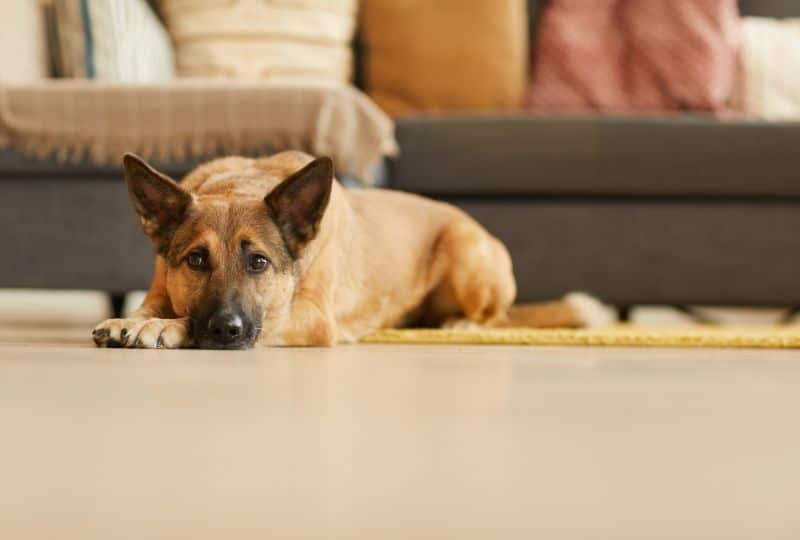
A dog injured after a fall may not show pain right away, especially larger breeds that are skilled at masking discomfort. That delay is exactly why a same-day check-up matters, even when your pet seems to be walking normally.
Pet owners often tell us they did not think a short fall could cause real harm. That assumption is understandable, but it is one of the main reasons injuries get missed until they become more serious. A pet that seems to walk normally minutes after a fall can still be masking pain. Many animals instinctively hide discomfort to avoid appearing vulnerable.
What Are the Warning Signs Your Pet Needs Care After a Fall?
Limping, yelping when touched, labored breathing, or a swollen belly after a fall are all signs your pet needs veterinary attention right away. These symptoms can point to fractures, chest trauma, or other signs of internal injury. Any of these signs should be treated as a reason to have your pet examined promptly.
Watch closely for the following after any fall:
- Limping or refusing to bear weight on one or more legs, which often signals a sprain or fracture.
- Labored or rapid breathing, which can indicate bruised lungs or fluid buildup in the chest.
- Pale or gray gums, a possible sign of internal bleeding or shock.
- Swelling or a tender abdomen, which may point to internal organ injury.
- Sudden lethargy or unwillingness to move, even without visible wounds.
A cat limping after a fall should never be brushed off. Even a mild limp can mask a hairline fracture that worsens without treatment. If you notice any of these signs, have your pet seen the same day rather than waiting for things to improve.
Here’s What to Expect During Your Visit
When you bring your pet in after a fall, the visit is designed to move quickly and calmly. The team at TotalBond Veterinary Hospital at Paw Creek in Charlotte follows a consistent process to identify hidden injuries before they become bigger problems. Even pets that appear steady on their feet are checked thoroughly, since some of the most serious injuries are the least visible at first glance.
- Initial assessment. A technician checks your pet’s breathing, gum color, and pain level within minutes of arrival.
- Physical examination. The veterinarian palpates the legs, spine, and abdomen to check for fractures, swelling, or tenderness.
- Imaging if needed. X-rays help confirm or rule out broken bones and other signs of internal injury that are not visible from the outside.
- Pain management and stabilization. If your pet is in pain or shock, treatment begins immediately to keep them comfortable and stable.
- Treatment plan discussion. The veterinarian walks you through findings and next steps in plain language.
Many dogs we see after a fall are anxious rather than aggressive, so our team keeps handling gentle and low stress. The goal of every urgent care vet visit is catching hidden injuries early.
Why Local Homes and Neighborhoods Add Extra Risk
Homes throughout Charlotte often include multi-level decks, tall porches, and townhome staircases, all of which create fall opportunities for curious pets. Open windows and balconies are especially common risks during warmer months when screens are removed for airflow.
A common misconception is that cats always land safely because of their righting reflex. While cats can often rotate their bodies mid-fall, this reflex does not prevent broken bones, jaw fractures, or chest trauma on impact. A cat limping after a fall from a balcony or high window should never be dismissed as minor. In North Carolina, we see this more often because so many homes have multiple stories and outdoor stair access that pets can slip through unnoticed.
Dog injured after fall situations are just as common as cat cases, especially with younger dogs jumping from furniture or misjudging a leap down stairs. Puppies often overestimate their own coordination when excited. A same-day evaluation is the safest way to rule out injuries that are not visible.
Where Local Pet Owners Turn for Same-Day Care
When your pet needs urgent care vet visit support after a fall, having a trusted local team makes the process far less stressful. TotalBond Veterinary Hospital at Paw Creek serves pet owners across the Charlotte area with prompt evaluations for any signs of injury, from limping to labored breathing.
Our clinic offers pet urgent care for situations just like this, where a fast, accurate assessment matters most. Falls can happen at any time, and getting your pet checked quickly can prevent a minor injury from becoming a lasting problem.
Call us at 704-827-7422 when your pet needs urgent care after a fall or any sudden injury. Our staff will help you determine whether your pet should be seen right away and can guide you through what to expect during the visit.
Falls are stressful for both pets and their owners, but a prompt evaluation from a familiar, caring team can bring peace of mind. Whenever a pet falls from a height, even one that looks harmless, a same-day check-up is the safest way to catch what you cannot see. Waiting to see if symptoms resolve on their own can let injuries worsen, especially fractures or internal bleeding that are not visible from the outside. A same-day visit lets the veterinary team catch problems early and start treatment before complications set in. Your pet cannot tell you how much pain they are in, so trusting your instincts after a fall is always the safer choice. Book an appointment today.
Frequently Asked Questions
Q1: How do I know if my pet’s fall was serious enough for a vet visit?
Ans: If your pet is limping, breathing heavily, has pale gums, or seems unusually quiet after a fall, it is best to have them examined right away. Internal injuries are not always visible, so a professional exam is the safest way to rule out anything serious.
Q2: Can a cat be hurt even if it lands on its feet?
Ans: Yes, landing on its feet does not mean a cat is unharmed. Cats can still fracture their jaw, chest, or legs from the force of impact even with a successful landing.
Q3: What if my pet seems fine right after the fall?
Ans: Some injuries, especially internal bleeding or bruised lungs, take hours to show visible symptoms. Monitoring your pet closely for the rest of the day is important even if they initially seem okay.
Q4: Should I try to move my pet myself if they cannot walk after a fall?
Ans: Move your pet as little as possible and support their body fully if you must move them, ideally using a flat, firm surface like a board or thick towel. Sudden or awkward movement can worsen a spinal or bone injury.
Q5: What breeds are more prone to injury from falls?
Ans: Small and toy breed dogs, along with senior pets of any size, tend to be more prone to fractures from falls due to lighter bone density. Long-backed breeds are also more vulnerable to spinal injury from awkward landings.