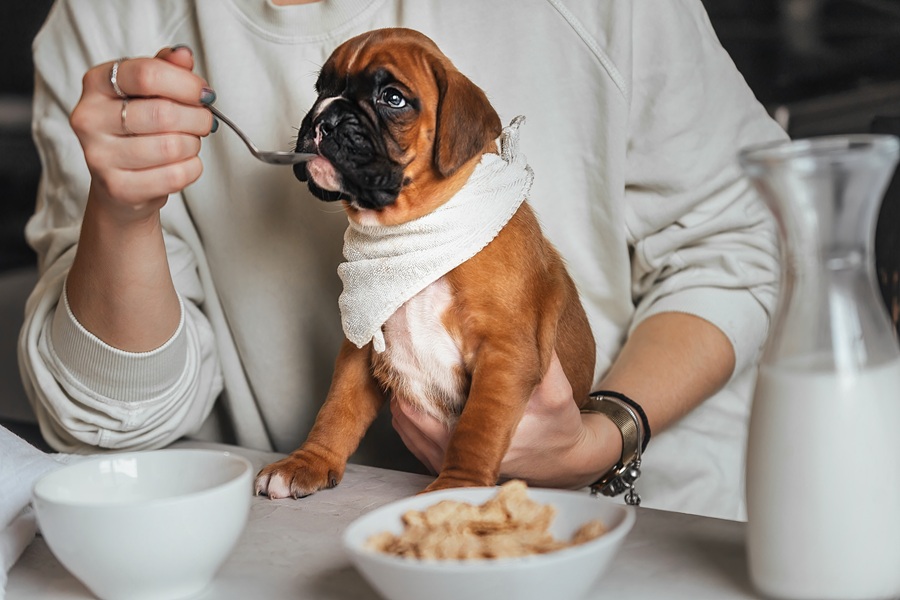
Puppies seem to have endless energy. One minute your new companion is racing around the house, and the next, they are curled up for a nap. While regular activity is important for healthy development, a puppy’s exercise needs change considerably as their bones, joints, muscles, and coordination mature. Understanding these changes can help Mooresville pet parents provide the right amount of activity without asking a growing body to do too much too soon.
Why Puppy Exercise Needs Change
A puppy’s body is still developing long after they come home with you. The growth plates at the ends of their bones are areas where new bone develops, and these structures are more vulnerable while they are still maturing. High-impact or repetitive activity can place unnecessary stress on developing bones and joints.
At the same time, puppies need movement for physical and mental development. Exercise provides opportunities to explore, play, learn, and build coordination. The goal is not to keep a puppy inactive but to offer age-appropriate activities while allowing plenty of time for rest.
Breed size also matters. Small and medium dogs generally reach skeletal maturity sooner than large and giant breeds. Some large dogs may continue growing well beyond their first birthday. Because individual development varies, there is no single exercise schedule that works for every puppy.
Early Puppyhood: Short, Gentle Activities
Young puppies typically have brief bursts of energy followed by plenty of sleep. At this stage, exercise should focus more on safe movement, exploration, and play than on distance or endurance.
Short walks, gentle games, supervised exploration, and basic training can all provide useful activity. Let your puppy move at a comfortable pace rather than trying to make them keep up with an adult walking or running speed.
Mental stimulation is equally valuable. Simple training exercises, appropriate toys, and opportunities to investigate new sights and sounds can help use your puppy’s energy without placing excessive physical demands on growing joints.
This is also an important period for establishing a foundation for lifelong puppy care. Regular wellness examinations allow your veterinarian to establish a health baseline and monitor your puppy as they grow. TotalBond Veterinary Hospital at Davidson provides puppy wellness exams and develops health care plans based on a puppy’s expected lifestyle, along with vaccination and deworming protocols.
As Your Puppy Gets Older: Gradually Increase Activity
As puppies become stronger and more coordinated, they can generally handle longer periods of appropriate activity. You may notice that your puppy wants to explore farther, play for longer, and participate more actively in family activities.
That does not mean increasing exercise suddenly. Instead, gradually introduce longer walks and more varied play while continuing to watch your puppy’s response. Rest remains an important part of a growing dog’s routine.
Avoid activities that repeatedly involve high-impact jumping, rapid stops, sharp turns, or sustained forced running while your puppy is still developing. Veterinary guidance recommends waiting until skeletal maturity before introducing strenuous activities such as long-distance running, demanding hikes, jumping obstacles, or competitive agility.
Large-Breed Puppies Need Extra Consideration
A Labrador Retriever, Great Dane, or other large-breed puppy may look physically impressive while still having a developing skeleton. Larger dogs generally take longer to reach full skeletal maturity than smaller dogs, so their exercise progression may need to remain conservative for longer.
Nutrition and weight management are also important during growth. Excessive weight can add stress to developing joints, while appropriate nutrition supports normal development. Your veterinarian can help determine whether your puppy’s growth, body condition, and diet are appropriate for their breed and life stage.
Because exercise, nutrition, growth, and overall health are connected, routine veterinary visits are an important part of puppy care. A wellness visit gives your veterinarian an opportunity to evaluate your puppy’s overall condition and discuss questions about lifestyle, nutrition, preventive care, and development.
How to Tell When Your Puppy Has Had Enough
Puppies do not always know when they should stop playing. Some will continue following a person, chasing a toy, or exploring even when they are becoming tired. Instead of using exhaustion as the goal, give your puppy opportunities to take breaks throughout the day.
Watch for changes in how your puppy moves. Limping, reluctance to walk, unusual stiffness, difficulty getting up, or a noticeable change in their normal movement deserves attention. Sudden lameness in a growing puppy can have several possible causes and should not simply be dismissed as normal growing pains. Certain developmental bone conditions can also cause lameness during growth.
If your puppy develops a concerning change after exercise or play, contact your veterinary team for guidance rather than increasing or reducing activity based only on guesswork.
Exercise Should Change With Your Puppy
The best exercise routine is one that changes as your puppy develops. A very young puppy may benefit from several brief periods of gentle play and exploration throughout the day. An older puppy can gradually handle more walking and structured activity, provided their development and physical condition support it.
Once skeletal maturity has been reached, your dog can generally begin transitioning toward more demanding activities. The timing varies according to size, breed, individual development, and health, so your veterinarian can help you decide when your dog is ready for activities such as jogging, longer hikes, or more athletic training.
Remember that exercise is only one part of raising a healthy puppy. Preventive veterinary care, vaccinations, deworming, nutrition, appropriate socialization, and regular wellness examinations all contribute to a strong start. TotalBond Veterinary Hospital at Davidson provides puppy and kitten wellness care in Mooresville, including regular examinations, vaccination planning, deworming, microchipping, and guidance for future care.
Contact Us To Ensure Your Pup Grows Healthy
Your puppy’s exercise routine should grow with them. If you are raising a puppy in Mooresville and want guidance on wellness, preventive care, vaccinations, deworming, nutrition, or healthy development, contact TotalBond Veterinary Hospital at Davidson. Our veterinary team is ready to help your new companion get started on the right paw.
Frequently Asked Questions
1. How much exercise does a puppy need each day?
There is no universal amount that fits every puppy. Age, breed size, development, health, and temperament all influence appropriate activity. Young puppies generally benefit from short, gentle periods of activity followed by rest rather than prolonged or strenuous exercise.
2. Can puppies go on long walks?
Long walks may be inappropriate for a growing puppy, particularly when they involve sustained or forced activity. Gradually increase walking as your puppy develops, and ask your veterinarian when longer walks are appropriate for your dog’s size and development.
3. Can my puppy run with me?
Running is more demanding than ordinary puppy play because it requires sustained, repetitive activity. Veterinary guidance recommends waiting until a puppy reaches skeletal maturity before beginning strenuous running programs, with the timing depending on the dog’s size and individual development.
4. What activities are safe for a growing puppy in Mooresville, NC?
Gentle play, short walks, and supervised exploration are suitable for most growing puppies. At TotalBond Veterinary Hospital at Davidson, we help Mooresville pet owners understand age-appropriate activities that support healthy growth while reducing the risk of injury.
5. Why does my puppy sleep so much after playing?
Puppies are growing rapidly and naturally require substantial rest. Short periods of activity followed by rest are normal for many young dogs. If your puppy seems unusually tired, weak, in pain, or reluctant to move rather than simply sleepy after play, contact your veterinarian.
6. When should I discuss my puppy’s exercise routine with a veterinarian?
TotalBond Veterinary Hospital at Davidson provides puppy wellness care for families in Mooresville, NC. Our veterinary team can assess your puppy’s growth, discuss appropriate exercise levels, and offer personalized recommendations to support healthy development. Contact us to schedule an appointment.