
Many pet owners assume that if their pet is eating well, playing normally, and showing no obvious signs of illness, they are perfectly healthy. However, pets often hide discomfort and disease remarkably well. In many cases, serious health conditions develop quietly and may not produce noticeable symptoms until they have progressed significantly.
This is why preventive healthcare plays such an important role in veterinary medicine. Routine wellness exams, diagnostic screenings, and ongoing health monitoring allow veterinary professionals to identify potential concerns before they affect a pet’s quality of life. Early detection not only improves treatment outcomes but can also help pets live longer and healthier lives.
By understanding how hidden health issues are identified, pet owners can make informed decisions about preventive care and long-term wellness. For families in Mooresville, proactive veterinary care is one of the best investments they can make in their pet’s future.
Why Early Detection Is So Important
Many common medical conditions begin silently. During the early stages, pets may appear completely normal despite developing underlying health concerns.
Examples of diseases that often show few or no early symptoms include:
- Kidney disease
- Heart disease
- Diabetes
- Thyroid disorders
- Liver disease
- Dental disease
- Certain forms of cancer
- High blood pressure
When these conditions are identified early, treatment can often begin before permanent damage occurs. Consequently, pets may experience better outcomes, fewer complications, and improved quality of life.
How Wellness Exams Help Identify Hidden Health Problems
Routine wellness examinations are one of the most effective tools for detecting disease before symptoms appear.
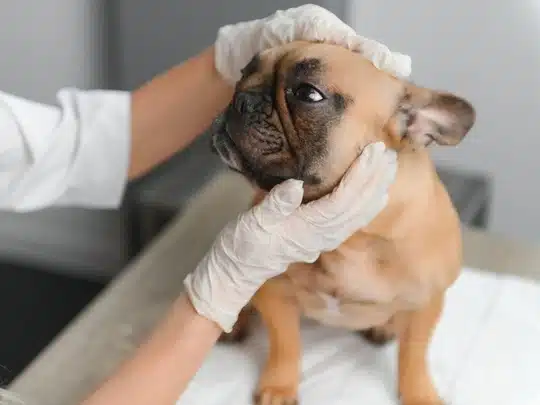
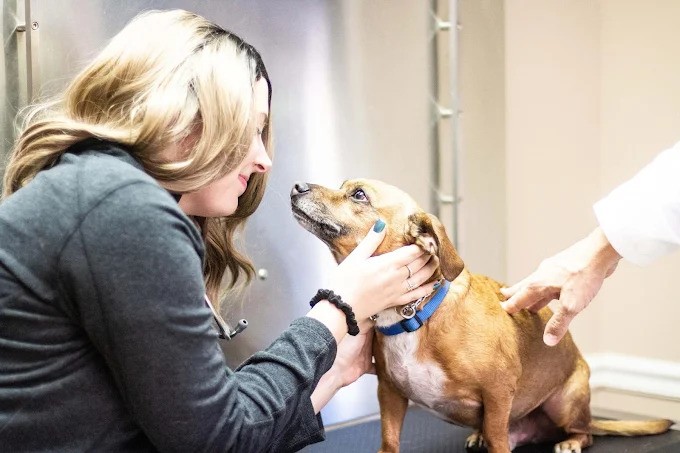
During a wellness visit, veterinary professionals perform a comprehensive assessment of your pet’s overall health.
This evaluation may include:
- Body condition assessment
- Weight monitoring
- Heart and lung evaluation
- Skin and coat examination
- Eye and ear inspection
- Oral health assessment
- Joint and mobility evaluation
- Behavioral observations
Each examination creates valuable health records that help identify changes over time.
Monitoring Small Changes
Many diseases begin with subtle changes that are difficult for pet owners to notice.
Examples include:
- Mild weight loss
- Slight weight gain
- Changes in muscle tone
- Reduced flexibility
- Small skin abnormalities
- Early dental concerns
Because veterinary teams evaluate pets regularly, they can often recognize these changes before they become significant health problems.
The Importance of Routine Blood Testing
Physical examinations provide valuable information, but some diseases can only be identified through laboratory testing.
Blood work allows veterinary professionals to evaluate internal organ function and overall health.
What Blood Tests Can Reveal
Routine blood screenings may help detect:
- Kidney dysfunction
- Liver abnormalities
- Blood disorders
- Infections
- Metabolic conditions
- Hormonal imbalances
In many cases, these conditions can be discovered months or even years before symptoms become noticeable.
Establishing a Baseline
When blood testing is performed regularly, it creates a health baseline for your pet.
Future results can then be compared against previous records, making it easier to identify small but important changes.
This approach supports earlier diagnosis and more effective treatment planning.
Urinalysis: A Valuable Preventive Tool
Urinalysis is another important diagnostic test used during preventive healthcare visits.
Although often overlooked by pet owners, urine testing provides valuable insight into internal health.
Conditions Urinalysis Can Help Detect
Urinalysis may identify:
- Kidney disease
- Urinary tract infections
- Diabetes
- Bladder abnormalities
- Hydration concerns
When combined with blood work, urine testing provides a more complete picture of a pet’s overall health.
Detecting Dental Disease Before It Becomes Serious
Dental disease is one of the most common health conditions affecting pets. Unfortunately, many animals continue eating normally even when significant oral problems are present.
As a result, dental disease frequently progresses unnoticed.
Early Warning Signs
Routine dental evaluations help identify:
- Plaque buildup
- Tartar accumulation
- Gum inflammation
- Tooth fractures
- Oral infections
Addressing these issues early can prevent discomfort and reduce the risk of complications affecting other organs.
Monitoring Heart Health
Heart disease can develop gradually and often produces few symptoms during its early stages.
Veterinary professionals carefully listen to the heart during wellness exams to identify abnormalities.
What They Look For
Potential indicators may include:
- Heart murmurs
- Irregular rhythms
- Changes in heart rate
If concerns are identified, additional testing may be recommended to investigate further.
Early diagnosis allows for timely management and ongoing monitoring.
Identifying Weight and Nutritional Concerns
Weight changes can provide valuable clues about a pet’s health.
Even small fluctuations may indicate underlying issues.
Conditions Associated With Weight Changes
Unexpected weight gain or loss may be linked to:
- Hormonal disorders
- Metabolic diseases
- Digestive issues
- Organ dysfunction
Routine weight monitoring helps veterinary teams identify trends that might otherwise go unnoticed.
Advanced Diagnostic Imaging
Sometimes physical exams and laboratory tests reveal concerns that require further investigation.
Diagnostic imaging allows veterinary professionals to view internal structures and identify abnormalities that cannot be detected externally.
Radiographs
X-rays can reveal:
- Joint problems
- Bone abnormalities
- Heart enlargement
- Lung conditions
- Certain tumors
Ultrasound Examinations
Ultrasound imaging provides detailed views of internal organs and soft tissues.
This technology can help identify:
- Organ changes
- Fluid accumulation
- Masses
- Structural abnormalities
Imaging often plays a critical role in early diagnosis and treatment planning.
Evaluating Behavior for Hidden Health Issues
Behavioral changes are sometimes among the earliest indicators of illness.
Because pets cannot verbally communicate discomfort, changes in behavior often provide important clues.
Signs That May Indicate a Problem
Potential warning signs include:
- Reduced activity
- Increased sleeping
- Appetite changes
- Increased thirst
- Irritability
- Anxiety
- Changes in social interaction
Veterinary professionals consider these observations when assessing overall health.
Why Senior Pets Need More Frequent Monitoring
As pets age, their risk of developing chronic health conditions increases.
Therefore, senior pets often benefit from more frequent wellness visits and diagnostic screenings.
Common Age-Related Conditions
Older pets may be at increased risk for:
- Arthritis
- Kidney disease
- Heart disease
- Diabetes
- Cognitive decline
- Cancer
Routine monitoring helps detect these conditions early and supports more effective management.
The Role of Preventive Screening Programs
Preventive screening programs are specifically designed to identify disease before symptoms develop.
These programs often combine:
- Physical examinations
- Blood work
- Urinalysis
- Blood pressure monitoring
- Diagnostic imaging when appropriate
Benefits of Preventive Screening
Preventive screenings may help:
- Improve treatment outcomes
- Reduce long-term healthcare costs
- Detect disease earlier
- Support healthier aging
- Increase quality of life
Rather than waiting for illness to appear, preventive care focuses on protecting health proactively.
Building a Lifelong Health Record
One of the greatest advantages of routine veterinary visits is the ability to establish a comprehensive health history.
Over time, veterinary professionals can identify:
- Long-term trends
- Subtle changes
- Emerging health risks
- Responses to previous treatments
This historical information allows for more personalized and effective healthcare recommendations.
A trusted veterinarian can use this information to make informed decisions that support your pet’s lifelong wellness.
How Pet Owners Can Support Early Detection
Although veterinary professionals play a key role in preventive care, pet owners are also essential partners in early disease detection.
You can support your pet’s health by:
- Scheduling routine wellness exams
- Monitoring eating habits
- Tracking weight changes
- Observing behavior
- Reporting unusual symptoms promptly
- Following preventive care recommendations
The sooner changes are identified, the sooner appropriate action can be taken.
A skilled veterinarian can work closely with pet owners to detect health concerns before symptoms become serious and develop a personalized plan for ongoing care.
Conclusion
Many serious health conditions begin quietly, making early detection one of the most important aspects of preventive veterinary medicine. Through wellness exams, laboratory testing, dental evaluations, behavioral assessments, and advanced diagnostics, veterinary professionals can uncover potential health concerns long before obvious symptoms appear.
By prioritizing routine preventive care, pet owners can help their companions enjoy longer, healthier, and more comfortable lives. At TotalBond Veterinary Hospital at Davidson, early diagnosis often leads to better treatment outcomes, improved quality of life, and greater peace of mind.
If you’re in Mooresville and looking for a veterinarian near you, schedule an appointment with TotalBond Veterinary Hospital at Davidson. Our veterinary team is dedicated to providing comprehensive wellness care, advanced diagnostic services, and personalized treatment plans designed to help your pet stay healthy through every stage of life.
Frequently Asked Questions
1. Why are wellness exams important if my pet seems healthy?
Many health conditions develop silently. Routine wellness exams help identify concerns before symptoms become noticeable, allowing for earlier treatment and better outcomes.
2. How often should my pet have preventive health screenings?
Most pets benefit from annual wellness screenings, while senior pets or those with medical conditions may require more frequent evaluations.
3. What health problems can blood tests detect?
Blood tests can help identify kidney disease, liver disorders, infections, hormonal imbalances, metabolic conditions, and other internal health concerns.
4. Why is early detection beneficial for pets?
Early detection often allows for more treatment options, slower disease progression, improved comfort, and a better overall quality of life.
5. Why choose TotalBond Veterinary Hospital at Davidson for preventive care?
TotalBond Veterinary Hospital at Davidson provides comprehensive wellness exams, diagnostic testing, preventive care services, and personalized healthcare plans focused on long-term pet wellness.
6. How can I schedule an appointment for my pet?
Contact TotalBond Veterinary Hospital at Davidson to schedule a wellness visit or preventive screening. Our team is committed to helping your pet stay healthy through every stage of life.