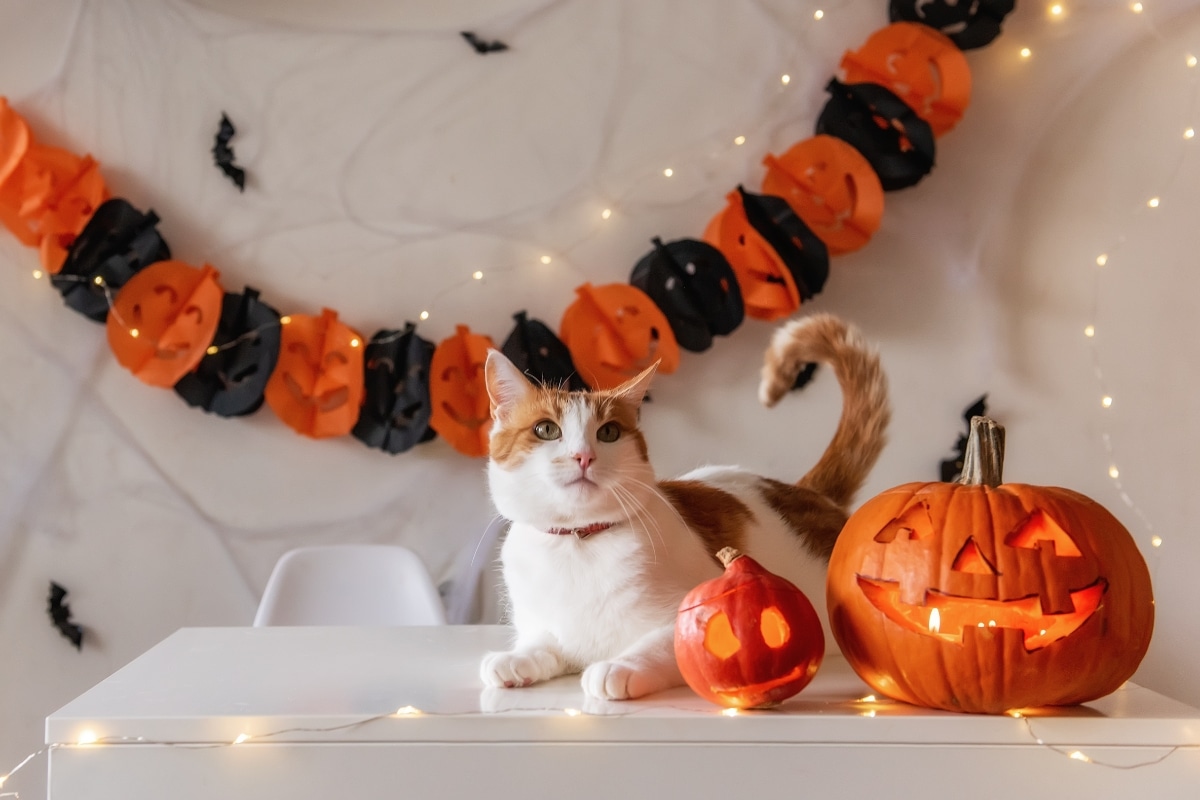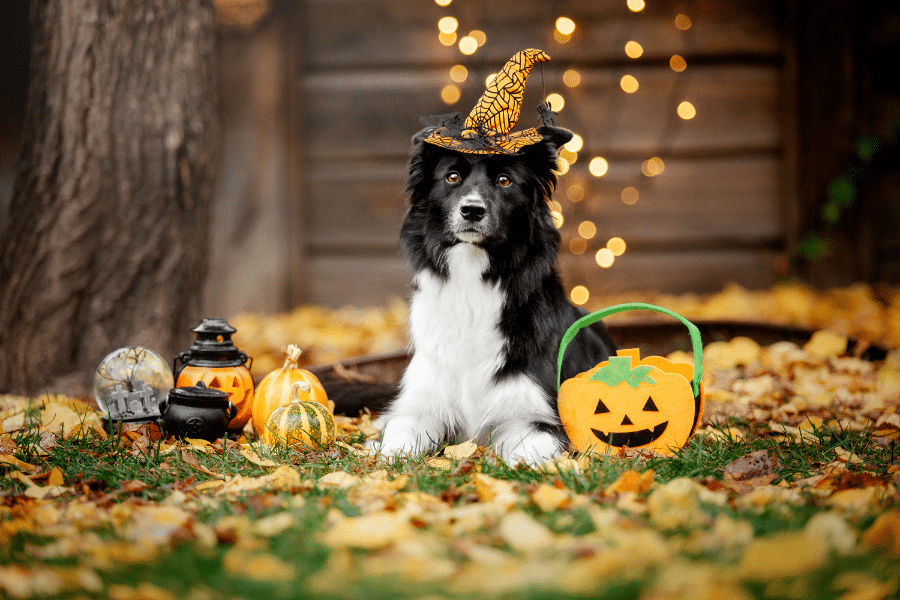
Halloween brings pumpkins, colorful flowers, and festive decorations to homes across Charlotte and nearby communities. However, some seasonal plants can pose serious health risks to curious pets. Before decorating your porch or living room, know which flowers are safe and which could cause poisoning.
Yes, several popular Halloween plants and flowers are toxic to dogs and cats. Chrysanthemums, autumn crocus, and certain lilies can cause reactions ranging from digestive irritation to serious organ damage. Understanding these risks can help protect your companions throughout the Halloween season.
Which Halloween Plants and Flowers Are Toxic to Pets?
Not every autumn decoration is dangerous. However, several plants commonly displayed around Halloween deserve particular attention.
1. Chrysanthemums (Mums)
Chrysanthemums are popular Halloween flowers because of their bright orange, yellow, and purple blooms. Unfortunately, they contain compounds that can be harmful when ingested.
Possible symptoms include:
- Vomiting and diarrhea
- Excessive drooling
- Loss of coordination
- Skin irritation after contact
Although poisoning is often relatively mild, dogs and cats that chew these flowers should receive veterinary guidance.
2. Autumn Crocus
Autumn crocus produces attractive purple or pink flowers during fall. However, it contains colchicine, a substance that can cause severe poisoning.
Potential complications include bloody vomiting, diarrhea, kidney or liver damage, and bone marrow suppression.
Unlike many mildly irritating plants, autumn crocus exposure requires immediate veterinary attention, even before symptoms appear.
3. Lilies in Halloween Flower Arrangements
Some Halloween floral arrangements contain lilies alongside autumn foliage.
True lilies and daylilies are particularly dangerous to cats. Even small exposures, including pollen, can cause acute kidney injury.
Dogs may develop digestive symptoms after consuming certain lilies, but the risks depend on the exact species.
Avoid bringing unidentified lilies into homes with feline companions.
Are Pumpkins and Other Halloween Decorations Safe?
Pumpkins and decorative corn are generally considered non-toxic to dogs and cats. However, that doesn’t mean every Halloween arrangement is harmless.
Large pieces of pumpkin rind, stems, and corn cobs can create choking hazards or intestinal blockages.
Rotting pumpkins may also contain mold, while painted decorations or chemical treatments introduce additional concerns.
For safer Halloween decorating, consider plain, intact pumpkins displayed beyond your pet’s reach.
How Can You Recognize Halloween Plant Poisoning?
Symptoms depend on the plant, the amount consumed, and your pet’s health.
Watch for:
- Repeated vomiting or diarrhea
- Excessive salivation
- Reduced appetite
- Weakness or unusual behavior
- Tremors or difficulty walking
- Breathing difficulties or collapse
Mild digestive symptoms can have several causes, including dietary changes. However, suspected toxic plant exposure should never be dismissed based on symptoms alone.
Call our animal hospital now if your pet has eaten an unidentified Halloween plant or develops concerning symptoms.
A vet near you can assess the exposure and determine whether your pet needs an urgent examination or emergency treatment.
What Should You Do If Your Pet Eats a Toxic Halloween Plant?
Act promptly rather than waiting for visible illness.
- Remove access to the plant.
- Identify the flower or photograph its leaves and blooms.
- Record approximately when exposure occurred.
- Contact a veterinarian or animal poison control service.
- Never induce vomiting or administer home remedies without veterinary instructions.
Veterinary evaluation may include a physical examination, blood testing, fluid therapy, or monitoring, depending on the suspected toxin.
Dr. Spangler and our veterinary team can help evaluate concerning exposures and determine appropriate next steps.
Severe symptoms, suspected autumn crocus ingestion, or true lily exposure in a feline companion require emergency assessment.
How Can Charlotte Pet Owners Decorate Safely This Halloween?
Halloween decorations can remain festive without exposing pets to unnecessary risks.
Choose artificial flowers, paper decorations, or non-toxic plants such as sunflowers, roses, and zinnias. Keep even non-toxic arrangements away from pets that chew unfamiliar objects.
Inspect seasonal bouquets before bringing them indoors. Check botanical names rather than relying entirely on common plant labels.
Secure outdoor arrangements, remove fallen flowers, and supervise curious pets around Halloween displays.
Keep Your Pets Safe Throughout Halloween
Halloween should be enjoyable without risking your pet’s health. Identifying toxic flowers, choosing safer decorations, and responding quickly to possible poisoning can help prevent serious complications.
At TotalBond Veterinary Hospital at Paw Creek, our veterinary team provides examinations, diagnostic services, and urgent care for pets in Charlotte and surrounding communities.
If you are concerned about Halloween plant exposure or need a veterinarian in Charlotte, call our hospital at +1 704-827-7422 to discuss your pet’s symptoms and arrange appropriate veterinary care.
Frequently Asked Questions
1. Can Halloween Flowers Cause Poisoning Without Being Swallowed?
Ans: Yes. Some plants can irritate the skin or mouth through contact. Lily pollen presents an especially serious risk to cats when it gets onto their fur and is swallowed during grooming. Seek immediate veterinary advice after suspected exposure.
2. How Quickly Do Symptoms of Toxic Plant Poisoning Appear?
Ans: Symptoms may develop within minutes or hours, depending on the plant. Some toxic effects can take longer to become apparent. Dogs and cats should receive prompt veterinary assessment after suspected exposure, even when they initially appear healthy.
3. Are Halloween Chrysanthemums Dangerous to Puppies and Kittens?
Ans: Yes. Young animals may chew unfamiliar flowers while exploring their surroundings. Chrysanthemums can cause digestive irritation and other symptoms. Because puppies and kittens are smaller, veterinary advice is important if ingestion is suspected.
4. Can a Pet Recover After Eating a Poisonous Halloween Plant?
Ans: Recovery depends on the plant, the amount consumed, how quickly treatment is sought, and the pet’s overall health. Some exposures cause temporary digestive upset, while others may result in serious complications. Early veterinary assessment can improve the opportunity for appropriate treatment.
5. Should I Schedule a Veterinary Checkup After Suspected Plant Exposure?
Ans: Yes. Contact a veterinary professional promptly when ingestion is suspected. An examination may help identify complications that are not immediately visible. Severe symptoms or exposure to highly toxic plants require emergency attention, not a routine appointment.