Now offering appointments as early as 8 AM, Monday through Friday!

Routine Wellness Exams for Pets
Our team has extensive experience facilitating preventative health programs for pets, caring for thousands of dogs and cats in our practice. If you have questions about your pet’s vaccination needs, contact a team member at TotalBond Veterinary Hospital at Forestbrook — they’re happy to help.
History and Examinations
The best appointments are the ones that prevent future problems before they happen. That’s why veterinary experts recommend bringing your pet in for regular check-ups, even if they seem healthy. Animals often hide signs of pain, illness, or injury due to instinct — making routine exams crucial for early detection.
At TotalBond Veterinary Hospital at Forestbrook, the general recommendation is to bring pets in for a check-up twice a year — possibly more often for young or senior pets or those with a history of health issues.
During an exam, the veterinarian assesses the pet’s full history and physical condition. What this includes can vary based on age, breed, life stage, and any health concerns. For young pets, growth and development checks are standard; for older pets, joint health and mobility receive special attention. Nutritional counseling is often part of these visits.
Veterinarians will also ask about the pet’s lifestyle, exercise, behavior, and diet. Being prepared with questions or concerns from home helps the team tailor the visit to your pet’s needs.
The conversation with your doctor will be picked up an AI-scribing service, to more quickly and accurately record findings and recommendations into the medical record.
What to Expect During Your Pet’s Examination
During your pet’s exam, your doctor will assess the full physical condition of your pet. This check-up will cover a wide range of things, and those will vary based on your pet’s stage of life, species, breed, and more. For example, growing pets will be checked to make sure they’re growing and developing on track based on their breed. Older pets will receive special attention to their joints, which can develop issues as they grow older. Nutritional counseling becomes a part of these visits.
Your vet at TotalBond Veterinary Hospital at Forestbrook will also probably ask you questions about your pet’s at-home life, including exercise, any behavioral concerns, lifestyle or dietary changes recently. Remember— our team isn’t here to judge you as a pet owner. We know that life gets busy and not everyone can take their dog for a long walk every single day. But the more information we have about your pet’s life at home, the better we can understand its overall health and how we can help improve it.
Remember to come to your pet’s examination prepared with any specific questions or concerns you have. Your vet will be more than happy to address any of these concerns, and it can help give our team members an idea of where to place extra focus in their assessment of your pet’s health.
Vaccinations and Parasite Control
Immunizations against common and dangerous pathogens are essential for dogs and cats. Both are susceptible to various infectious diseases and parasites, some of which may also affect people.
The hospital does not over-vaccinate, and vaccination schedules are customized based on each pet’s history, age, species, and risk factors. Rabies vaccination is required by North Carolina state law for dogs, cats, and ferrets. Immunization schedules reduce some vaccines to every 3 years (or less), and others remain annual.
Recommended core vaccines include:
- Dogs: DA2PP (distemper, hepatitis, parvovirus, parainfluenza), Leptospirosis & Lyme, and Bordetella (Infectious Bronchitis)
- Cats: FVRCP (panleukopenia, calicivirus, rhinotracheitis)
Other vaccinations (e.g., Canine Influenza, Feline Leukemia Virus) may be recommended depending on lifestyle and risk.
Parasite control is a key aspect of your pet’s health maintenance, as all pets will be exposed to both internal parasites (heartworms, carried by mosquitos and yes, cats too; intestinal worms (some of which are potentially contagious to humans, children especially), and external parasites (fleas, ticks, mites). Our team will guide you to the parasite control program that best fits your pet’s and family needs.
Additional Vaccinations
For dogs, the DA2PP vaccination is recommended to prevent four common and life-threatening issues that can occur in dogs— distemper, hepatitis, parvovirus, and parainfluenza. Your dog will almost certainly be exposed to these viruses at some point over the course of their life. The only way to adequately protect them is through scheduled vaccinations.
For cats, the recommended multiple vaccination is the FVRCP. It protects against panleukopenia, calicivirus, and rhinotracheitis.
In adulthood, these two immunizations are customarily administered every 3 years.
Other vaccinations that may be recommended by your vet based on specific circumstances may include Bordetella, leptospirosis, lyme disease, canine influenza, or feline leukemia.
Many clients prefer to bundle up the preventative health needs into our TotalWellCare Club packages, where all the necessary services are bundled into a plan with affordable monthly payments. For more Information, follow this link to TWCC details.

Microchipping
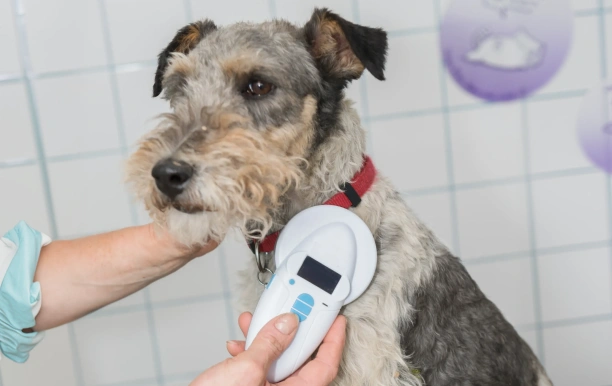
Microchipping provides a permanent way to identify a lost pet. A tiny, safe chip containing the owner’s contact information is placed under the pet’s skin and registered in a national database. Registration must be completed online, and information can be updated over time (for example, if you move). Collars and ID tags are still recommended even with a microchip.

Nutrition & Weight Management
Weight issues can lead to serious health problems in pets, including joint disease, kidney or liver issues, respiratory problems, and even cancer. TotalBond Veterinary Hospital at Forestbrook helps assess a pet’s lifestyle, diet, and exercise habits to support weight loss or healthy maintenance.
Veterinarians partner with pet owners to set goals and track progress over time, helping pets achieve a healthier weight and longer, happier lives.
