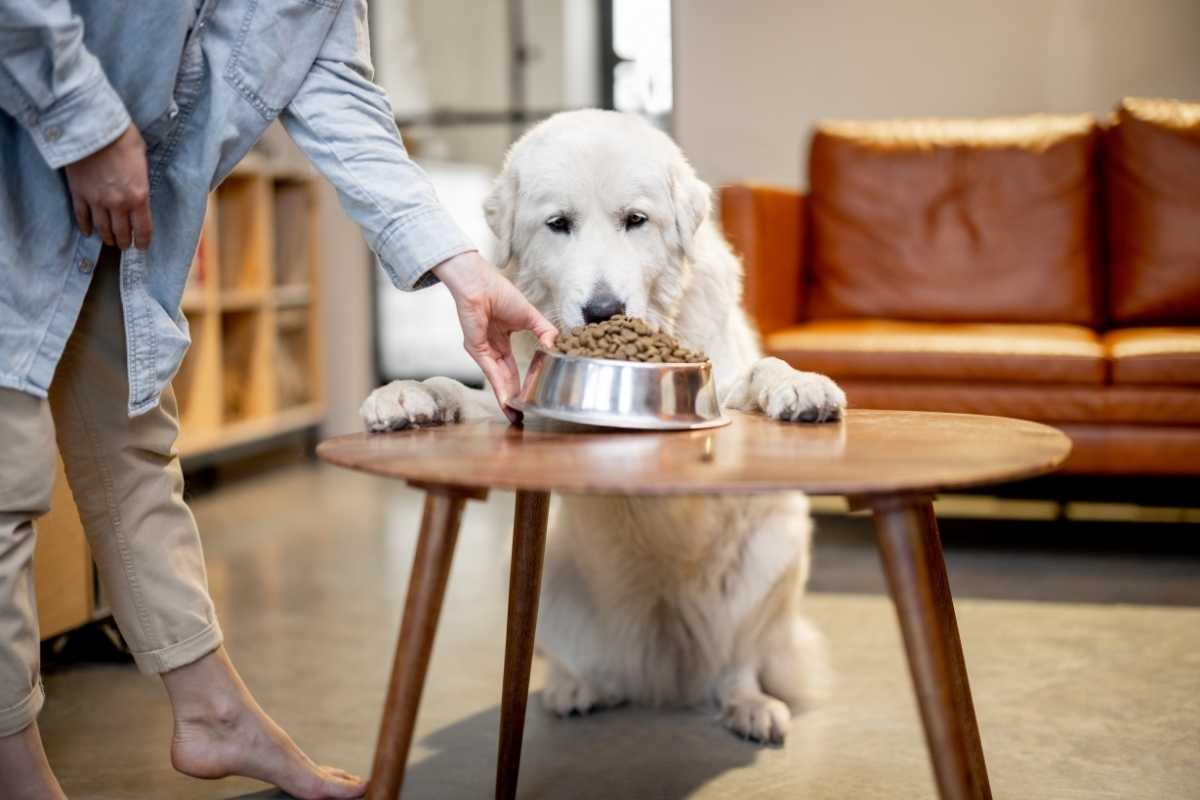


Watching a dog grow older can bring changes in energy, appetite, mobility, and body shape. Senior pet care near you should include regular attention to your dog’s weight because maintaining a healthy body condition can support mobility, comfort, and overall quality of life. As dogs age, their nutritional and calorie needs can change, while muscle mass may gradually decrease. These changes make weight management an important part of helping older dogs stay active and comfortable.
Why Weight Management Matters for Senior Dogs
A healthy weight is especially important as dogs enter their later years. Carrying excess body weight places additional stress on the joints, muscles, heart, and other body systems. It can also make everyday activities such as walking, climbing stairs, and getting up from a resting position more difficult.
On the other hand, unexplained weight loss should not simply be considered a normal part of aging. Older dogs can experience changes in body weight because of medical conditions, reduced appetite, dental discomfort, or changes in metabolism. Regular weight checks can help identify these changes early.
For families seeking senior pet care in Belmont, monitoring body condition is an important part of maintaining an older dog’s long-term health.
How Aging Can Change a Dog’s Weight
As dogs age, their metabolism and activity levels often change. Many senior dogs naturally become less active, which can reduce the number of calories they need each day. At the same time, maintaining muscle becomes increasingly important.
According to senior pet nutrition guidance, a dog’s maintenance energy requirements generally decrease over its lifetime. Evaluating both body condition and muscle condition can help determine whether nutritional adjustments are needed.
Several factors can contribute to weight changes in older dogs, including:
- Lower daily activity
- Changes in appetite
- Reduced muscle mass
- Changes in metabolism
- Certain medications
- Underlying health conditions
- Excessive treats or table food
- Incorrect portion sizes
Because every dog ages differently, weight management should be based on individual needs rather than a standard diet plan.
Recognizing a Healthy Body Condition
The number on a scale does not tell the whole story. Two dogs of the same breed and weight can have very different body compositions. Veterinarians often evaluate body condition to determine whether a dog is carrying an appropriate amount of body fat.
A healthy dog should generally have a visible waist when viewed from above. The abdomen should appear slightly tucked when viewed from the side. You should also be able to feel the ribs without seeing them prominently.
Muscle condition is equally important. An older dog may maintain an appropriate body weight while gradually losing muscle. Regular veterinary evaluations can help identify changes that may not be obvious at home.
Nutrition and Portion Control for Older Dogs
Nutrition plays a central role in managing an older dog’s weight. Senior dogs may need fewer calories than younger, more active dogs, but they still need balanced nutrition to support muscle, joints, and overall health.
Portion control is one of the simplest ways to prevent gradual weight gain. Measuring meals rather than estimating portions can provide greater consistency. Treats should also be included in the dog’s overall daily calorie intake.
Pet owners should avoid making major dietary changes without professional guidance. A veterinarian can consider the dog’s age, breed, activity level, body condition, muscle mass, and health history when recommending an appropriate feeding strategy.
If you are looking for vets in Belmont, discussing your senior dog’s nutritional needs during regular wellness visits can help create a practical weight-management plan.
Exercise Helps Senior Dogs Maintain a Healthy Weight
Physical activity remains important for older dogs, even when their pace becomes slower. Regular, appropriate exercise can help maintain muscle strength, support joint mobility, and burn excess calories.
However, senior dogs may not tolerate the same exercise routine they enjoyed when they were younger. Shorter walks, gentle play, and other low-impact activities may be more suitable.
Pay attention to your dog’s comfort during and after activity. Excessive fatigue, reluctance to move, stiffness, or difficulty getting up may indicate that the activity needs to be adjusted.
The goal is consistency rather than intensity. A veterinarian can help determine an appropriate activity level based on your dog’s physical condition.
Regular Veterinary Monitoring Supports Healthy Weight
Weight management should be an ongoing process. Regular veterinary examinations allow your dog’s weight, body condition, muscle condition, nutrition, and mobility to be evaluated together.
Routine examinations can also help identify health changes that may affect appetite or body weight. Veterinary teams may recommend additional testing when a senior dog experiences unexplained weight gain or loss. New Hope Veterinary Hospital provides wellness examinations and nutrition and weight-management guidance as part of its veterinary services.
For pet owners searching for senior pet care near you, consistent veterinary monitoring can provide valuable insight into changes that may otherwise go unnoticed.
Simple Weight-Management Tips for Senior Dogs
Pet owners can support healthy weight management at home with a few consistent habits:
- Measure your dog’s daily food portions.
- Keep treats moderate and account for their calories.
- Encourage appropriate daily movement.
- Monitor your dog’s body shape and muscle condition.
- Avoid frequent table scraps.
- Keep fresh water available.
- Track noticeable changes in appetite or weight.
- Discuss unexplained weight changes with your veterinarian.
- Reassess food portions as activity levels change.
These habits can help make weight management a regular part of your dog’s daily care rather than a short-term goal.
Supporting Your Dog Through the Senior Years
Healthy weight management is an important part of helping older dogs remain mobile, comfortable, and engaged with their families. A balanced diet, appropriate exercise, portion control, and regular veterinary monitoring can work together to support healthy aging.
If you are looking for senior pet care in Belmont, professional guidance can help you understand your dog’s changing nutritional and activity needs. When you notice meaningful changes in your senior dog’s weight, appetite, mobility, or daily habits, discuss them with a veterinary professional. To receive personalized guidance, schedule an appointment with our animal hospital.
At New Hope Veterinary Hospital, pet owners can receive compassionate veterinary guidance focused on their senior dog’s individual health, nutrition, weight, and quality of life.
Frequently Asked Questions
1. Why is weight management important for older dogs?
Ans: Maintaining a healthy weight can reduce unnecessary strain on the joints and support mobility, muscle function, and overall quality of life. Both excessive weight gain and unexplained weight loss deserve attention.
2. Do senior dogs need fewer calories?
Ans: Many older dogs become less active and may require fewer calories. However, nutritional needs vary between individual dogs. A veterinarian can help determine appropriate portions based on body condition and activity.
3. How can I tell if my senior dog is overweight?
Ans: Look for a visible waist and an abdominal tuck, and make sure the ribs can be felt without excessive pressure. Because body shape varies by breed, a professional body-condition assessment is helpful.
4. Can exercise help an older dog maintain a healthy weight?
Ans: Yes. Appropriate physical activity can help older dogs maintain muscle and manage calories. Exercise should be adjusted according to age, mobility, fitness, and overall health.
5. Should I be concerned if my senior dog loses weight?
Ans: Unexplained weight loss should be discussed with a veterinarian. Changes in appetite, metabolism, dental comfort, or underlying health can contribute to weight loss in older dogs.
6. How often should my senior dog have a weight check?
Ans: Weight can be reviewed during routine veterinary visits, while owners can also monitor body shape at home. Dogs with ongoing weight concerns may benefit from more frequent monitoring.