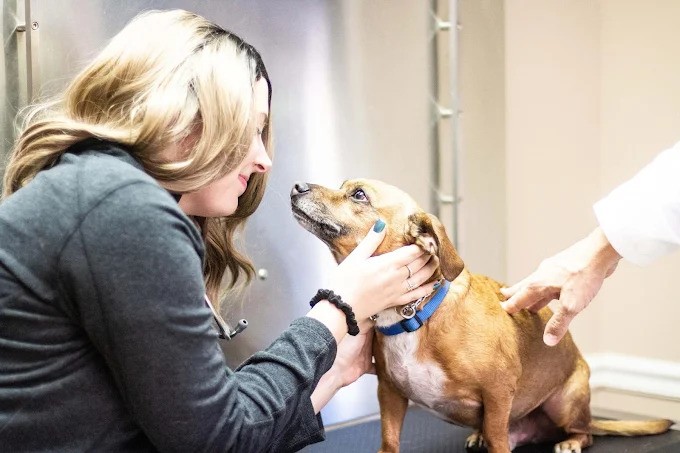

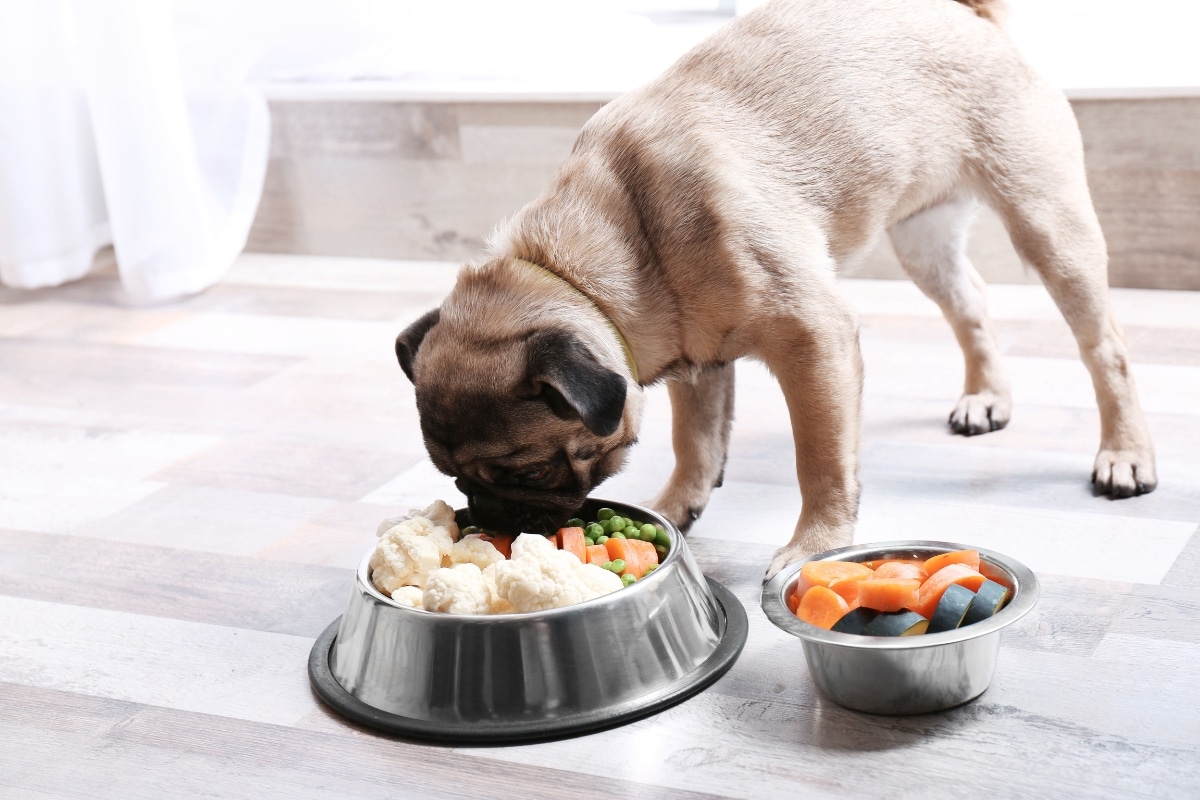
Proper nutrition plays a vital role in helping pets grow, stay active, and maintain good health throughout life. However, nutritional needs change significantly as puppies become adults, kittens mature, and pets enter their senior years. Feeding the right diet at each stage can support healthy development, maintain an appropriate body weight, and promote overall wellness.
Puppies and kittens are growing rapidly and require nutrient-dense diets that support developing bones, muscles, organs, and immune systems. Senior pets, meanwhile, may need nutritional adjustments based on changes in metabolism, activity, muscle mass, digestion, or health. Understanding these differences can help pet owners make more informed feeding decisions.
Why Nutrition Matters for Every Life Stage
Nutrition provides much more than calories. A balanced diet supplies proteins, fats, carbohydrates, vitamins, minerals, and water that support essential body functions. These nutrients contribute to muscle development, healthy skin and coat, immune function, energy production, tissue repair, and organ health.
Because nutritional needs vary between animals, veterinary care can help determine whether a pet’s diet is appropriate for its age, breed, activity level, body condition, and individual health requirements.
Puppy Nutrition: Supporting Healthy Growth
Puppies experience rapid physical development during their early months. Their food must therefore provide appropriate levels of energy and essential nutrients without encouraging unhealthy growth.
Protein for Muscle Development
Protein provides amino acids needed for muscle development, tissue growth, and repair. Puppies should receive a complete and balanced diet formulated specifically for growth.
However, providing more protein than necessary does not automatically make a diet healthier. Instead, choose a reputable puppy formula that meets recognized nutritional standards.
Healthy Fats and Essential Nutrients
Dietary fat provides concentrated energy for growing puppies. Essential fatty acids also support healthy skin and coat while contributing to normal brain and eye development.
Calcium and phosphorus are equally important for developing bones and teeth. Nevertheless, avoid adding mineral supplements unless recommended by a veterinary professional because excessive supplementation can cause nutritional imbalances.
Feeding Puppies Correctly
Puppies typically need multiple meals throughout the day because they have smaller stomachs and relatively high energy requirements. Feeding amounts depend on age, weight, expected adult size, activity, and the food’s calorie content.
Large-breed puppies may require specially formulated diets that support controlled growth. Regularly monitoring body condition can help determine whether portions need adjustment.
Kitten Nutrition: Fueling Rapid Development
Kittens also have unique nutritional needs because they grow quickly during their first months. Their diets should provide sufficient calories, protein, essential fatty acids, vitamins, and minerals for healthy development.
Why Kittens Need Nutrient-Dense Food
A growing kitten generally needs more energy per pound than an adult cat. Therefore, kitten food should provide concentrated nutrition in appropriately sized portions.
A complete and balanced kitten formula is usually preferable to feeding adult maintenance food during the primary growth period. Several smaller meals can work well for young kittens, although feeding schedules can change as they mature.
The Importance of Taurine
Taurine is an essential nutrient for cats. Cats cannot produce enough taurine naturally to meet their needs, so they must obtain it through their diet.
Adequate taurine supports normal vision, heart function, reproduction, and other physiological processes. Complete and balanced commercial cat foods should contain appropriate levels of this essential nutrient.
Fresh water should also remain available at all times. Wet food can contribute to daily water intake, which may be beneficial for cats that naturally drink little water.
Nutrition for Adult Pets
Adult pets generally require a diet designed to maintain healthy body condition rather than support rapid growth. Their calorie requirements depend on body size, activity level, lifestyle, and overall health.
Overfeeding can gradually cause excess weight, which may place additional stress on joints and affect mobility. Measuring portions and monitoring body condition can help prevent unnecessary weight gain.
An active dog may require more calories than a less active companion, while an indoor cat may need fewer calories than an outdoor cat. Therefore, feeding amounts should be individualized rather than based solely on general recommendations.
Senior Pet Nutrition: Supporting Healthy Aging
As pets age, metabolism and activity levels may change. Some senior animals lose muscle mass, become less active, or experience changes in digestion. Others remain healthy and active without major dietary changes.
Maintaining Healthy Muscle
Adequate protein can support muscle maintenance as pets age. However, senior diets should be selected according to the individual animal’s health rather than following a universal rule.
Pets with specific medical conditions may require customized nutritional plans. Therefore, dietary changes should be discussed with a veterinary professional when health concerns are present.
Managing Weight and Calories
Older pets may burn fewer calories because they become less active. Continuing to provide the same amount of food can consequently lead to gradual weight gain.
Maintaining a healthy body condition is important because excess weight can increase pressure on joints and make movement more difficult. Portion control, appropriate activity, and regular weight monitoring can help support healthy aging.
Supporting Digestion and Mobility
Some senior pets may benefit from diets containing appropriate fiber or highly digestible ingredients. Certain nutritional products may also support joint health.
However, supplements should not automatically replace proper evaluation. Persistent changes in mobility, appetite, digestion, or weight deserve professional attention.
How to Choose the Right Pet Food
Selecting pet food involves more than choosing a flavor your pet enjoys. Consider these factors:
- Choose complete and balanced nutrition: Select food appropriate for your pet’s life stage.
- Consider age and size: Puppies, kittens, adults, and seniors can have different nutritional requirements.
- Measure portions: Consistent measurements help control calorie intake.
- Monitor body condition: Watch for gradual weight gain or loss.
- Change food gradually: Slowly transition between diets to reduce digestive upset.
- Limit treats: Treats contribute calories and should remain a moderate part of the daily diet.
Common Pet Nutrition Mistakes
One common mistake is feeding the same type and amount of food throughout a pet’s entire life. Nutritional requirements change as animals grow and age.
Another mistake is giving supplements without determining whether they are necessary. Excessive amounts of certain nutrients can create health problems.
Frequent table scraps can also disrupt a balanced diet. Some human foods contain excessive fat, salt, or calories, while others can be toxic to dogs and cats.
Finally, feeding charts should be viewed as starting points rather than absolute rules. Individual calorie requirements vary considerably.
When Should You Reconsider Your Pet’s Diet?
Changes in appetite, body weight, stool quality, energy level, skin condition, or behavior may indicate that a diet needs review. Unexplained weight loss in an older pet, persistent digestive problems, or significant appetite changes should not simply be dismissed as normal aging.
A nutritional review may also be helpful when bringing home a puppy or kitten, transitioning into adulthood, entering the senior stage, or managing an existing health condition.
Nutrition as Part of Preventive Wellness
Good nutrition works best alongside regular wellness examinations, vaccinations, parasite prevention, dental care, exercise, mental enrichment, and weight monitoring.
TotalBond Veterinary Hospital at Bethel can provide guidance based on your pet’s age, lifestyle, body condition, and individual nutritional needs.
Nutrition needs change throughout a pet’s life. Puppies need balanced nutrients for healthy growth, kittens require concentrated nutrition for rapid development, and senior pets may need adjustments that support healthy weight, muscle maintenance, digestion, and mobility.
Rather than choosing food based only on age or marketing claims, consider your pet’s individual needs. Measure portions, monitor body condition, introduce dietary changes gradually, and seek professional guidance when nutritional requirements change.
Schedule your appointment with TotalBond Veterinary Hospital at Bethel for personalized nutritional guidance tailored to your pet.
Frequently Asked Questions
Q1. What should I feed a puppy?
Ans: Feed a complete and balanced puppy diet formulated for growth. Large-breed puppies may require specialized food designed for controlled development.
Q2. Do kittens need special food?
Ans: Yes. Kittens generally need nutrient-dense food formulated to support their rapid growth and development.
Q3. Should senior pets always eat senior food?
Ans: Not necessarily. Some senior pets benefit from specialized diets, while others can remain healthy on an appropriate adult maintenance formula.
Q4. How often should I change my pet’s food?
Ans: Change food only when there is a nutritional reason or your pet’s needs have changed. Introduce a new diet gradually to reduce digestive upset.
Q5. Are supplements necessary for pets?
Ans: Not always. A complete and balanced diet may already provide essential nutrients. Discuss supplements with a veterinary professional before adding them.
Q6. How can I tell if my pet is eating the right amount?
Ans: Monitor weight, body condition, appetite, activity, and overall health. Feeding recommendations can provide a starting point, but portions may need individual adjustment.